


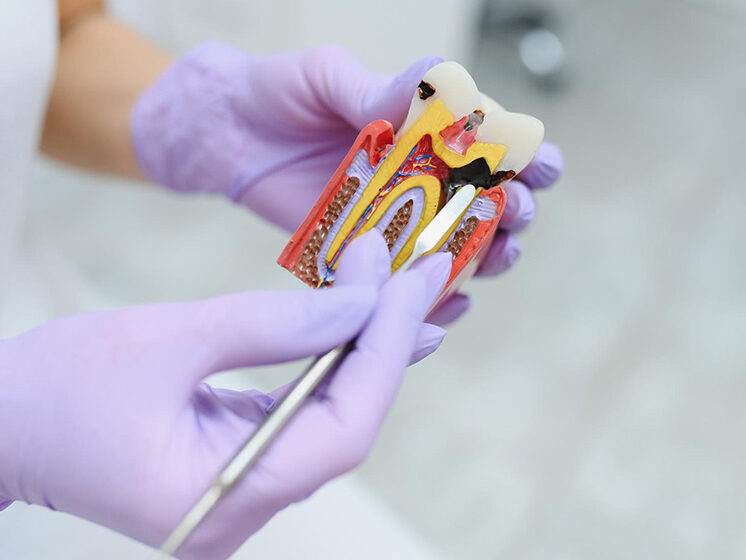
Root canal treatment often carries an intimidating reputation, but in reality, it is one of the most effective ways to save a damaged tooth and restore oral health. Advances in technology and technique have made the procedure smoother, faster, and far less painful than people imagine. Patients who seek care from skilled endodontists in New York can expect a straightforward process that relieves discomfort and preserves their natural smile. Instead of avoiding the procedure out of fear, understanding the step-by-step process can help you feel confident and prepared for your visit.
With root canal treatment, your tooth is not extracted but repaired from the inside out. This ensures that you keep your natural tooth structure, which is always preferable to replacement. Knowing what to expect can calm anxieties and allow you to focus on the benefits, relief from pain, restored function, and long-lasting results. Let’s walk through the process, stage by stage, and debunk some common myths along the way.
Why Root Canal Treatment Is Needed
When the pulp inside your tooth (containing nerves and blood vessels) becomes infected or inflamed, it can cause significant pain and threaten the health of your entire tooth. This infection usually results from:
- Deep decay reaching the pulp
- A cracked or chipped tooth
- Repeated dental procedures on the same tooth
- Trauma to the mouth
Left untreated, pulp infection can lead to abscesses, swelling, or even tooth loss. Root canal treatment prevents these complications by cleaning out the infection and sealing the tooth.
Step 1: Diagnosis and Consultation
Your journey begins with a detailed consultation. During this visit, the dentist or endodontist examines your tooth, takes X-rays, and determines the extent of the damage. This step is crucial in planning a customized treatment approach. Patients who consult Manhattan endodontists often find reassurance knowing that their treatment will be tailored to their specific case.
Step 2: Local Anesthesia and Comfort Measures
One of the biggest myths about root canals is that they are painful. In truth, with modern anesthesia and techniques, the procedure is virtually painless. Your dentist administers local anesthesia to numb the area, ensuring you are comfortable throughout. Many patients compare it to getting a regular filling. For those with dental anxiety, sedation options may also be available.
Step 3: Tooth Isolation
Once the area is numb, the next step is isolating the tooth using a small protective sheet called a dental dam. This prevents saliva from interfering with the procedure and keeps the area sterile. Cleanliness is vital to prevent further infection during treatment.
Step 4: Access Opening
To reach the infected pulp, your dentist creates a small opening on the surface of the tooth. This step gives direct access to the pulp chamber and root canals. Think of it as unlocking a door to get inside the tooth for cleaning and repair.
Step 5: Cleaning and Shaping the Canals
Using precise dental instruments, the infected pulp is carefully removed from the canals. This is where the tooth’s nerves once were, so removing them eliminates pain. Afterward, the canals are shaped and disinfected thoroughly to prepare them for sealing. Advanced tools used by endodontists in Manhattan ensure this step is done with precision, minimizing treatment time while maximizing results.
Step 6: Filling the Canals
Once the tooth is cleaned, the empty canals are filled with a biocompatible material called gutta-percha. This prevents bacteria from re-entering the space and ensures the tooth remains stable. The opening is then sealed with a temporary filling until the final restoration is placed.
Step 7: Final Restoration
The final step involves restoring the tooth’s strength and function. In most cases, a dental crown is placed over the treated tooth. This provides protection against fracture and restores the tooth’s natural appearance. Patients who see Manhattan endodontists often find that the finished tooth looks indistinguishable from their natural teeth.
Common Myths About Root Canal Treatment
Unfortunately, root canal treatment is surrounded by misconceptions that keep patients from seeking timely care. Let’s address a few:
- Myth: Root canals are extremely painful.
Truth: With modern techniques, the procedure is no more painful than a standard filling. - Myth: Extraction is better than a root canal.
Truth: Saving your natural tooth is always the preferred option for long-term oral health and function. - Myth: Root canals require multiple visits.
Truth: Many treatments can be completed in one or two visits, depending on the complexity. - Myth: Root canals don’t last.
Truth: With proper care, a tooth treated with a root canal can last a lifetime.
Understanding the truth helps patients feel more comfortable pursuing this essential treatment.
Recovery After Root Canal Treatment
The recovery process is typically quick. You may experience mild sensitivity or discomfort for a few days, but this can be managed with over-the-counter pain relievers. To ensure smooth healing:
- Avoid chewing hard foods on the treated tooth until it’s restored with a crown.
- Maintain good oral hygiene by brushing and flossing daily.
- Attend follow-up appointments for monitoring.
Patients who receive care from endodontists in Manhattan often find themselves back to their normal routines within a day or two.
Conclusion
Root canal treatment doesn’t need to be a source of fear—it’s a reliable, effective solution to save your natural teeth and protect your long-term oral health. From diagnosis to final restoration, each step is designed to ensure comfort, precision, and lasting results. Patients who trust Manhattan endodontists discover that the process is much easier than they imagined and provides immediate relief from pain.
At Modern Dental of Manhattan in New York, our team of experienced specialists is committed to delivering world-class care in a comfortable, patient-centered environment. If you’ve been told you need a root canal or are experiencing tooth pain, don’t wait—your healthiest smile starts here.