


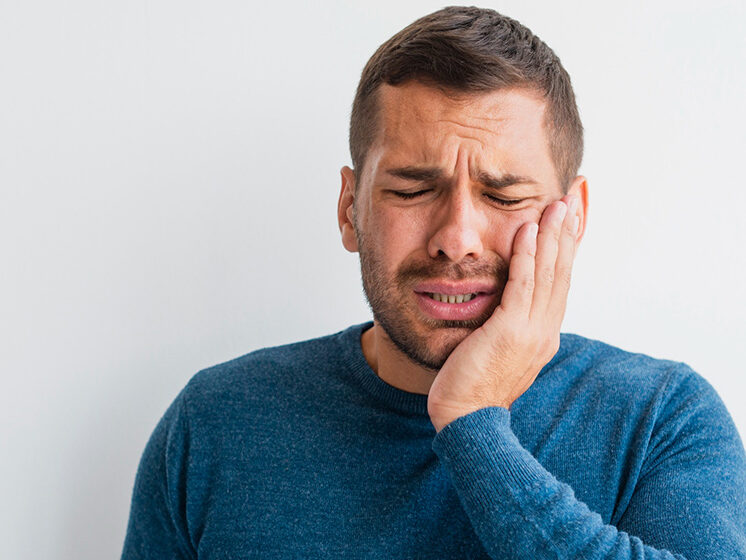
A dental emergency can happen when you least expect it. Whether it’s sudden pain, trauma, or infection, immediate care is crucial for protecting your smile. Many patients don’t realize how quickly dental problems can worsen and lead to long-term damage. When you’re dealing with dental emergencies in New York, it’s important to know what to do before you reach the dental office. The right response can make the difference between saving a tooth and losing it. At our Manhattan practice, we are here to help you handle the unexpected. With knowledge and prompt action, you can stop discomfort and avoid complications.
Understanding Dental Emergencies
Dental issues can escalate faster than most people think. Pain and swelling are your body’s warning signals that something is wrong. Responding properly can help reduce infection, protect your oral health, and provide immediate relief.
Common signs of dental emergencies include:
- Persistent or severe toothache
- Traumatic injury to the teeth or mouth
- Broken or knocked-out tooth
- Bleeding that won’t stop
- Swollen gums or face
- Lost filling or crown
If you're experiencing any of these symptoms, contact a dentist immediately. Dental emergencies should never be ignored.
Top 10 Most Common Situations & What to Do
Here are the most common types of dental emergencies, along with steps to protect your teeth until you receive professional care.
Severe Toothache
Often caused by infection, decay, or impacted food.
What to do:
- Rinse with warm saltwater
- Avoid placing aspirin on the tooth.
- Call your dentist ASAP.
If your pain increases, it may be an urgent case requiring treatment like a root canal.
Knocked-Out Tooth
A knocked-out tooth requires fast action—ideally within 30 minutes.
What to do:
- Pick up the tooth by the crown only.
- Place it in milk or your saliva.
- Seek immediate care
Quick response improves the chances of saving the natural tooth.
Chipped or Broken Tooth
This can be caused by biting down on hard foods or accidents.
What to do:
- Save any broken pieces
- Apply a cold compress
- Avoid chewing on that side.
Repair options may include bonding, veneers, or dental crowns.
Lost Crown or Filling
When a restoration falls out, the exposed tooth feels sensitive.
What to do:
- Avoid sticky or hard foods
- Use temporary dental cement if available
- Contact your dentist for a replacement.
A prompt solution protects the tooth from further damage.
Abscessed Tooth
An abscess is a serious infection that can spread quickly.
What to do:
- Rinse with saltwater
- Do not pop the abscess.
- Get urgent dental treatment
Abscesses are among the most dangerous dental emergencies in Manhattan and require professional care right away.
Oral Bleeding That Won’t Stop
Injury, gum disease, or post-extraction issues may cause sustained bleeding.
What to do:
- Apply pressure with clean gauze
- Avoid mouth rinsing
- See a dentist if bleeding continues more than 15 minutes.
This is a sign that immediate professional help is needed.
Loose or Dislodged Tooth
Trauma or infection may cause teeth to shift.
What to do:
- Do not force the tooth back into place.
- Keep your mouth clean.
- Seek emergency dental care
Early intervention may help save the tooth.
Broken Braces or Wires
Sharp wires can injure cheeks, gums, or tongue.
What to do:
- Push the wire into a more comfortable position.
- Use orthodontic wax if available
- Avoid cutting the wire.
Orthodontic-related Manhattan dental emergencies should be treated promptly to prevent injury.
Soft Tissue Injury (Gums, Lips, Cheeks, Tongue)
Common during sports or accidental bites.
What to do:
- Clean the area gently.
- Apply pressure to stop bleeding
- Use an ice pack to reduce swelling.
If bleeding is severe, seek immediate help.
Sudden or Severe Jaw Pain
This may indicate TMJ disorder, trauma, or infection.
What to do:
- Apply a cold compress
- Take recommended pain relievers
- Get professionally evaluated
Jaw pain should never be overlooked.
What to Expect During an Emergency Dental Visit
Once you arrive at the dental office, the initial goal is to relieve pain and stabilize your condition.
You can expect:
- A quick assessment of your symptoms
- Digital X-rays to evaluate hidden issues
- Treatment to stop infection or bleeding
- Temporary or permanent restoration
- Guidance for continued care at home
Your dentist will also address underlying causes to prevent future emergencies.
Preventing Dental Emergencies:
While accidents can’t always be avoided, simple prevention helps protect your teeth:
- Maintain strong oral hygiene
- Wear a mouthguard during sports.
- Avoid chewing ice or hard objects.
- Get routine dental checkups and cleanings
- Treat cavities and gum disease early
Minor dental issues can quickly escalate if ignored—prevention is always better than emergency treatment.
Conclusion
Dental emergencies demand fast, professional attention to protect your health and save your teeth. Having a plan and knowing what steps to take can help you stay calm and in control. If you are experiencing any form of dental pain, injury, or infection, don’t delay—urgent care can prevent complications and restore comfort. Contact the trusted team at Modern Dental of Manhattan in New York whenever you need immediate assistance, and let experts protect your smile with swift, compassionate care.