


Dental implants have transformed the way missing teeth are replaced, offering a long-term solution that looks, feels, and functions like natural teeth. They are designed to restore not only your smile but also your ability to chew, speak, and live confidently. Many patients exploring dental implants in New York want clear, trustworthy information before committing to treatment. Understanding how dental implants work removes fear, clears up myths, and sets realistic expectations. Modern implant dentistry combines advanced technology with proven techniques to deliver predictable results. When patients feel informed, the decision to move forward becomes far easier and more empowering.
Understanding Dental Implants and Their Purpose
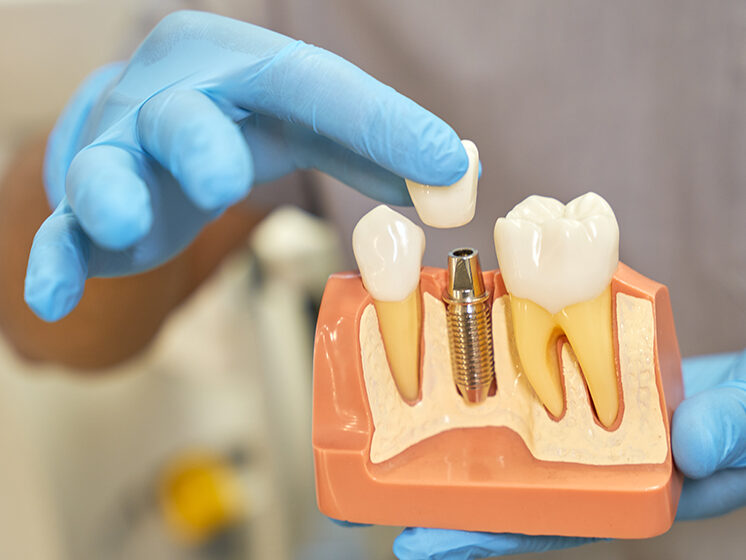
Dental implants are artificial tooth roots, typically made from biocompatible titanium, that are surgically placed into the jawbone. From an analytical perspective, they function as a stable foundation for replacement teeth, such as crowns, bridges, or dentures. Unlike removable options, dental implants integrate with the bone, creating unmatched stability.
The primary purpose of dental implants is to replace missing teeth while preserving jawbone health. When a tooth is lost, the underlying bone begins to shrink over time. Dental implants stimulate the bone, helping maintain facial structure and oral function.
How Do Dental Implants Work Inside the Jaw?
Dental implants work through a biological process known as osseointegration. After placement, the implant gradually fuses with the jawbone. This creates a strong, secure base that mimics the function of a natural tooth root.
From an analytical standpoint, this fusion is what sets implants apart from other tooth replacement options. The implant does not rely on neighboring teeth for support, reducing long-term strain and preserving overall oral health.
The Three Main Parts of Dental Implants
Dental implants consist of three essential components:
- The implant post, which replaces the tooth root
- The abutment, which connects the implant to the crown
- The crown, which restores the visible portion of the tooth
Each component plays a critical role in strength, comfort, and aesthetics.
Common Myths About Dental Implants
Misinformation often prevents patients from considering dental implants. Clearing up these myths is an important step in patient education.
Myth: Dental Implants Are Painful
Reality: With modern techniques and anesthesia, implant placement is typically more comfortable than expected. Most patients report mild discomfort that resolves quickly.
Myth: Dental Implants Are Only for Older Adults
Reality: Dental implants are suitable for adults of many ages, provided they have healthy gums and adequate bone structure.
Myth: Dental Implants Look Unnatural
Reality: Implant-supported crowns are designed to match natural teeth in shape, color, and function.
Step-by-Step Dental Implant Process
Understanding what to expect at each stage helps patients feel confident and prepared.
Initial Consultation and Evaluation
The process begins with a comprehensive exam, including imaging to assess bone density and oral health. Dentists determine whether dental implants are appropriate and create a customized treatment plan.
This evaluation often introduces patients to options such as Manhattan Dental Implants, helping them understand how implants fit into their long-term oral health goals.
Implant Placement
The implant post is placed into the jawbone during a minor surgical procedure. Precision is essential at this stage to ensure proper alignment and stability.
After placement, a healing period allows the implant to integrate with the bone. This phase is critical for long-term success.
Restoration and Final Results
Once healing is complete, the abutment and crown are attached. The final restoration is carefully designed to blend seamlessly with surrounding teeth.
Patients seeking dental implants in Manhattan often appreciate how natural and secure the final result feels.
What to Expect During Recovery
Recovery after implant placement is usually straightforward. Mild swelling or soreness may occur but typically subsides within a few days.
Helpful recovery tips include:
- Following postoperative instructions
- Maintaining good oral hygiene
- Eating soft foods initially
- Attending follow-up appointments
From an analytical perspective, proper recovery care significantly increases implant success rates.
Who Is a Good Candidate for Dental Implants?
Dental implants are suitable for many patients, but certain factors influence candidacy. Healthy gums, sufficient bone density, and overall good health are key considerations.
Even patients with bone loss may qualify with additional procedures. A thorough evaluation ensures implants are placed safely and effectively.
Caring for Dental Implants
Caring for dental implants is similar to caring for natural teeth. Consistent hygiene and routine dental visits are essential.
Recommended care practices include:
- Brushing twice daily
- Flossing around implant-supported teeth
- Scheduling regular professional cleanings
- Avoiding habits like teeth grinding
Analytically, proper maintenance protects both the implant and the surrounding tissues.
Conclusion
Dental implants offer a reliable, natural-looking solution for missing teeth by restoring strength, stability, and confidence. Understanding how they work and what to expect helps patients move forward without hesitation. When placed with precision and supported by proper care, dental implants deliver lasting results that enhance everyday life. At Modern Dental of Manhattan in New York, this commitment to accessible, high-quality implant care ensures patients receive the knowledge, comfort, and results they deserve.