


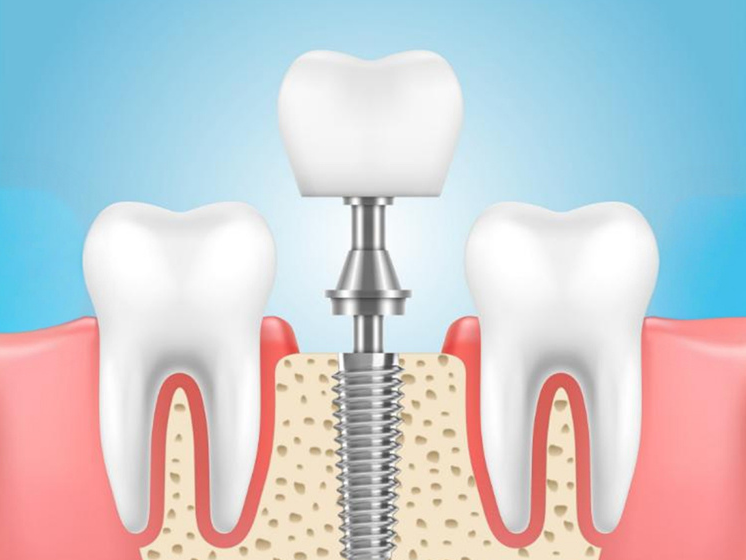
Dental implants in New York have become a popular solution for individuals who have lost teeth due to injury, decay, or other health-related reasons. Unlike traditional dentures or bridges, implants offer a long-term, stable solution that feels and functions like natural teeth. However, the success of your dental implants relies heavily on how well you care for them after the surgery. Proper aftercare ensures that the implants heal properly, preventing complications and ensuring that they last for many years.
Immediate care after dental implant surgery
Control bleeding and swelling
It's normal to experience some bleeding during the first few hours after the surgery. Bite gently on a clean gauze pad to apply light pressure to the area and stop the bleeding. Replace the gauze as needed until the bleeding subsides.
Avoid touching the surgical site
Try not to touch or poke the implant area with your fingers or tongue. This helps prevent infection and ensures the healing process goes smoothly.
Pain management
Mild to moderate discomfort following dental implant surgery is common. Follow your dentist's advice on pain medication, and make sure to take the prescribed doses at the right intervals. If the pain intensifies or doesn’t subside, consult your dentist immediately.
Rest and recover
Avoid intense physical activity during the first few days after the surgery. Physical exertion can increase blood flow to the head and face, leading to more swelling and bleeding.
Oral hygiene after dental implant surgery
Gentle brushing
You may resume brushing your teeth the day after surgery, but it is crucial to be very gentle around the implant site. Use a soft-bristled toothbrush to avoid irritation. Be cautious not to apply pressure directly on the implant area. You can clean the rest of your mouth as usual, but avoid brushing the implant site for a few days.
Use a saltwater rinse
After 24 hours, gently rinse your mouth with warm salt water to keep the area clean. Mix about a teaspoon of salt in a glass of warm water and swish it around your mouth several times a day. This helps to reduce the risk of infection and promote healing.
Diet and nutrition after implant surgery
Stick to soft foods
For the first few days, stick to a soft-food diet to avoid disturbing the implant site. Foods like mashed potatoes, soups, scrambled eggs, smoothies, and yogurt are ideal choices. Avoid hard, crunchy, or chewy foods that may put unnecessary pressure on the implants.
Avoid hot and cold foods
Your mouth may be sensitive after surgery, so try to avoid extremely hot or cold foods and drinks. This will help prevent irritation and reduce the chances of sensitivity or discomfort around the implant area.
Stay hydrated
Drink plenty of water to stay hydrated. Staying hydrated helps promote healing and keeps the mouth moist, which is essential for the recovery process.
Why choose professionals for your dental implants
When it comes to dental implants, selecting the right dental clinic is crucial for ensuring a smooth and successful procedure. At Modern Dental of Manhattan in New York, we offer expert care and high-quality dental implants using the latest technology to ensure precision and faster recovery. Our experienced team provides personalized treatment plans tailored to your needs, ensuring the best possible outcome. We focus on long-term success, offering comprehensive aftercare instructions to help your implants heal properly and last for years.
Frequently asked questions
What should be avoided during the recovery period?
During the recovery period, it’s important to avoid intense physical activities, hot and cold foods, and touching the surgical site with your fingers or tongue. These activities can increase swelling, bleeding, or cause infection, slowing down the healing process.
Is swelling normal after the procedure?
Yes, some swelling is expected after dental implant surgery. Applying a cold compress to the outside of the face near the implant site for 15–20 minutes at a time during the first 24 hours can help reduce swelling.
What should be done if complications or infection occur?
If excessive bleeding, severe pain, or signs of infection arise, it’s important to contact the dental professional immediately. Early intervention can help prevent further complications and ensure the success of the implants.
What should be eaten after dental implant surgery?
For the first few days after surgery, a soft-food diet is recommended. Mashed potatoes, soups, smoothies, and yogurt are ideal choices. Hard, crunchy, or chewy foods should be avoided as they may place unnecessary pressure on the implants and affect healing.
How should dental implants be cared for long-term?
Long-term care includes regular brushing, flossing, and dental check-ups. Maintaining proper oral hygiene is crucial to avoiding plaque buildup, which can lead to gum disease and other complications.