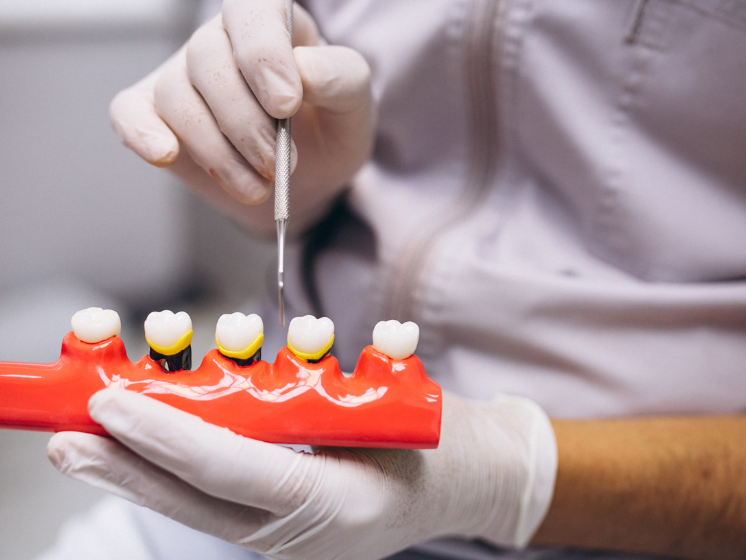
A healthy smile plays a major role in confidence, communication, and overall oral health. Missing teeth can affect far more than appearance. They can influence speech, chewing ability, jawbone strength, and even facial structure over time. Modern restorative dentistry has transformed the way tooth loss is treated, and dental implants in Manhattan have become one of the most long-term solutions for rebuilding a complete smile.
Understanding dental implants
Dental implants are artificial tooth roots that are placed into the jawbone to support replacement teeth. They are commonly made from durable materials. Once the implant is placed, the bone gradually bonds with it, creating a secure and stable foundation. A complete dental implant typically includes three parts:
- The implant post that acts as the artificial root
- The abutment that connects the implant to the restoration
- The custom crown, bridge, or denture that restores the visible portion of the tooth
Because implants are anchored directly into the jawbone, they function much like natural teeth and provide exceptional stability.
How dental implants improve smile restoration: Key benefits
Natural appearance and feel
One of the biggest benefits of dental implants is their natural appearance. Implant restorations are custom-designed to blend seamlessly with surrounding teeth in terms of size, shape, and color. This creates a smile that looks authentic and aesthetically pleasing.
Improved chewing and speaking ability
Missing teeth can make it difficult to chew certain foods comfortably. Dental implants restore strong bite functionality, allowing patients to enjoy a wider variety of foods with greater ease.
Clear speech is another important benefit. Tooth loss can affect pronunciation and speech patterns, especially when multiple teeth are missing. Because implants remain securely in place, they help maintain proper tongue positioning and improve speech clarity.
Long-term durability
Dental implants are known for their durability and long lifespan. With proper care and regular dental checkups, implants can last for many years and in some cases even a lifetime. This makes them a valuable investment for long-term oral health. Modern implant techniques continue to evolve, making procedures more predictable and comfortable for patients.
Prevention of jawbone loss
One of the most important health benefits of dental implants is their ability to help preserve jawbone density. Dental implants function like natural tooth roots by stimulating the jawbone during daily activities. This helps maintain bone structure and prevents the sunken facial appearance that can occur with prolonged tooth loss.
Protection of adjacent teeth
Dental implants do not rely on adjacent teeth for support. Each implant functions independently, which helps preserve the natural structure of surrounding teeth. This contributes to improved long-term oral health and reduces unnecessary stress on healthy teeth.
Enhanced confidence and emotional well-being
A complete smile can have a major impact on self-confidence. Missing teeth may cause individuals to feel self-conscious during conversations, photos, or social interactions.
Dental implants help restore confidence by creating a secure and attractive smile. Because they look and function like natural teeth, patients often feel more comfortable in personal and professional situations after treatment.
Low maintenance and easy care
Dental implants are relatively easy to maintain. They can be cared for much like natural teeth with regular brushing, flossing, and professional dental cleanings. Good oral hygiene plays an important role in maintaining implant health. Regular dental visits help monitor the surrounding gums and ensure the implant remains stable and healthy over time.
Who can benefit from dental implants?
Dental implants can benefit many individuals experiencing tooth loss due to injury, decay, gum disease, or aging. They may be used to replace:
- A single missing tooth
- Multiple missing teeth
- An entire arch of teeth
Candidates for implants generally need healthy gums and sufficient jawbone support. A professional dental evaluation helps determine the most suitable treatment plan based on each patient’s oral health needs and smile goals.
Conclusion
Dental implants have transformed modern smile restoration by offering a durable, natural-looking, and highly functional solution for missing teeth. Their ability to preserve jawbone health, improve chewing function, enhance confidence, and support long-term oral wellness makes them one of the most effective restorative options available.
For individuals considering smile restoration, Brightly Dental Midtown provides advanced dental implant solutions designed to restore both oral health and confidence. With a focus on personalized care and modern restorative techniques, our team helps patients achieve healthy, natural-looking smiles that last for years to come.
Frequently asked questions
How long do dental implants last?
Dental implants are designed to be a long-term solution for missing teeth. With proper oral hygiene and regular dental visits, they can last for many years and often decades.
Can dental implants look natural?
Yes, dental implants are custom-designed to match the appearance of natural teeth. The color, shape, and size of the restoration are carefully crafted to blend seamlessly with the surrounding smile.
How long does the dental implant process take?
The treatment timeline varies depending on the patient’s oral health and treatment plan. Some cases may take several months because the jawbone needs time to heal and integrate with the implant before the final restoration is placed.
Are dental implants painful?
Most patients report that the procedure is more comfortable than expected. Mild soreness after the procedure is common but usually manageable during the healing process.
Who is a good candidate for dental implants?
Most healthy adults with sufficient jawbone support can qualify for dental implants. A dental examination helps determine whether additional procedures or preparations may be needed before treatment begins.