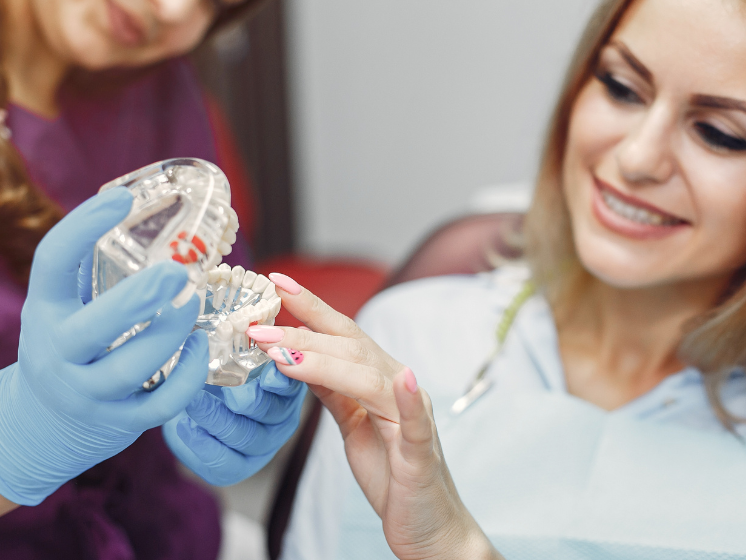
A healthy smile depends on strong, functional teeth that can handle everyday chewing, speaking, and biting. However, teeth can become weakened because of decay, fractures, injuries, or years of wear. When damage reaches a point where a simple filling is no longer enough, a dental crown in Manhattan can restore the tooth's strength, appearance, and function while helping preserve its natural structure. Understanding the warning signs early can help prevent further damage and reduce the need for more extensive dental procedures. Knowing when a crown may be necessary allows treatment to begin before a weakened tooth develops serious complications.
What is a dental crown?
A dental crown is a custom-made restoration that completely covers a damaged or weakened tooth. It acts like a protective cap, restoring the tooth's original shape, size, and strength while improving its appearance. Crowns are carefully designed to blend with surrounding teeth, creating a natural-looking smile.
Modern dental crowns are available in several materials. The most suitable option depends on the location of the tooth, the amount of biting pressure it receives, and the patient's cosmetic preferences.
Signs you may need a dental crown
Persistent tooth pain
Ongoing tooth pain should never be ignored. While discomfort can result from cavities, infections, or gum disease, it may also indicate that a tooth has become structurally compromised. If a tooth has significant decay or a crack extending deep into its structure, a filling may no longer provide enough support.
A dental crown protects the remaining healthy portion of the tooth while reducing the risk of further fracture and relieving discomfort after the underlying issue has been treated.
A cracked or broken tooth
Small chips sometimes require only cosmetic repair, but larger cracks or fractures often weaken the entire tooth. Everyday chewing places pressure on damaged teeth, causing cracks to spread over time.
A dental crown surrounds the remaining tooth structure, distributing biting forces more evenly and helping prevent additional breakage. Prompt treatment often makes the difference between saving the tooth and requiring extraction.
Large fillings that weaken the tooth
Teeth with large fillings have less natural tooth structure remaining. As fillings age, the surrounding tooth may become weaker and more vulnerable to fractures.
When a filling no longer provides sufficient support, replacing it with a dental crown can significantly strengthen the tooth while protecting it from future damage.
Severe tooth wear
Teeth naturally wear down over many years. However, excessive grinding, clenching, or acid erosion can accelerate this process, leaving teeth shorter, weaker, and more sensitive.
Dental crowns restore the original shape of worn teeth while improving bite alignment and protecting them from continued wear. This restoration can also improve comfort during chewing.
Tooth sensitivity that continues
Occasional sensitivity to hot or cold foods is common, but ongoing or worsening sensitivity may suggest that the protective enamel has been compromised.
If significant tooth structure has been lost, a dental crown can provide an additional protective barrier that helps reduce sensitivity while restoring normal function.
Following root canal treatment
A tooth that has received root canal therapy no longer contains living nerve tissue. Although the infection has been removed, the tooth often becomes more brittle over time.
Dentists frequently recommend placing a crown after root canal treatment, particularly on back teeth that experience greater chewing pressure. The crown strengthens the tooth and helps prevent fractures.
Misshapen or severely discolored teeth
While cosmetic procedures such as whitening improve many smiles, they may not correct teeth that are severely stained or irregularly shaped.
Dental crowns provide a long-lasting cosmetic solution by completely covering the visible portion of the tooth, creating a more balanced and natural appearance.
Benefits of choosing dental crowns
Dental crowns offer both restorative and cosmetic advantages. Beyond improving appearance, they protect natural teeth and restore everyday function. Some of the key benefits include:
- Restores the strength of weakened teeth
- Protects cracked or damaged teeth from further injury
- Improves chewing and speaking ability
- Enhances the appearance of stained or misshapen teeth
- Supports teeth after root canal treatment
- Blends naturally with surrounding teeth
- Offers long-lasting durability with proper care
Because crowns preserve natural tooth structure whenever possible, they are often considered an excellent long-term investment in oral health.
Conclusion
Dental crowns provide an effective solution for restoring damaged, weakened, or worn teeth while preserving their natural function and appearance. Recognizing early warning signs allows treatment before more serious complications develop. With proper care, a well-made dental crown can provide many years of reliable protection and contribute to a healthier, more confident smile.
For patients seeking high-quality restorative dentistry, Brightly Dental Midtown offers personalized dental crown treatments designed to restore strength, comfort, and aesthetics. Our experienced dental team uses advanced technology and customized treatment planning to deliver natural-looking results while prioritizing long-term oral health and patient comfort.
Frequently asked questions
Is getting a dental crown painful?
The procedure is generally comfortable because the tooth is numbed before treatment begins.
Can a dental crown look like a natural tooth?
Yes. Modern porcelain and ceramic crowns are carefully color-matched to surrounding teeth, creating a natural appearance that blends seamlessly with the smile.
Can a crown protect a cracked tooth?
Yes. A crown surrounds the damaged tooth and helps prevent the crack from worsening while restoring strength and normal chewing function.
Do dental crowns require special care?
Dental crowns do not require special cleaning products. Brushing, flossing, and routine dental checkups are usually sufficient.
Can a crown be replaced if it becomes damaged?
Yes. If a crown becomes loose, cracked, or excessively worn, a dentist can evaluate it and recommend repair or replacement depending on its condition.