


When a tooth becomes severely decayed or infected, many patients fear that extraction is the only option. Thanks to advanced dentistry, that isn’t the case. A root canal treatment can save your natural tooth, eliminate pain, and restore full function, all while keeping your smile intact. For individuals searching for trusted care, a root canal in New York is a highly effective procedure designed to treat infection and preserve long-term oral health.
Despite common myths, modern root canals are nothing like the painful procedures people imagine. In reality, today’s treatment is safe, efficient, and often as comfortable as getting a simple filling. Knowing what to expect step-by-step helps ease anxiety and highlights why this treatment remains one of the most important tools in restorative dentistry.
Understanding Root Canal Treatment
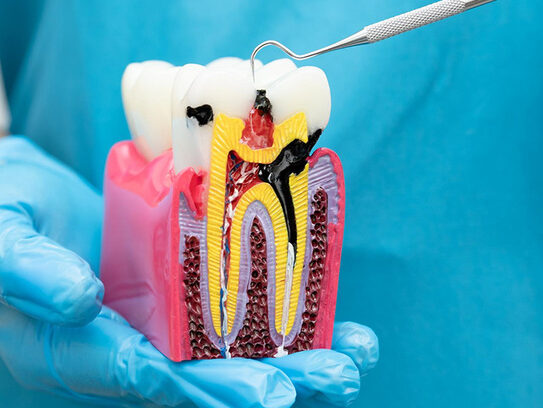
A root canal is a dental procedure used to remove infected or damaged pulp inside a tooth. The pulp is made up of nerves, blood vessels, and connective tissue. When it becomes inflamed or infected, it can cause severe pain and swelling and even lead to abscesses.
By removing the infected pulp and cleaning the inside of the tooth, dentists can save the natural structure, preventing the need for extraction.
Common Reasons for Needing a Root Canal
- Deep tooth decay that reaches the pulp
- A cracked or fractured tooth
- Repeated dental procedures on the same tooth
- Severe trauma to a tooth
- Infection or abscess that forms at the root
Myths About Root Canals
For decades, patients have associated root canals with discomfort and fear. The truth is that modern techniques and anesthesia make the procedure straightforward and virtually painless.
Breaking Down the Misconceptions
- Myth 1: Root canals are extremely painful—With modern anesthesia, discomfort is minimal. Most patients describe it as similar to getting a filling.
- Myth 2: It’s better to remove the tooth—Preserving your natural tooth is always the healthiest option for maintaining jaw stability and bite function.
- Myth 3: Recovery takes weeks—Most patients return to normal activities within 24–48 hours.
Root Canal in New York: Step-by-Step Process
Understanding each stage of the procedure helps reduce anxiety and prepares you for a smooth treatment experience. Here’s a breakdown of what you can expect:
Step 1: Consultation and Diagnosis
Your dentist begins with a thorough examination, including X-rays, to determine the extent of the infection. This step is critical in developing a personalized treatment plan.
- Identifies the location of the infection
- Assesses the condition of the surrounding bone and tissues
- Determines if a Manhattan root canal is the right treatment option
Step 2: Administering Local Anesthesia
Before the procedure begins, the tooth and surrounding area are numbed with local anesthesia. This ensures you remain completely comfortable throughout the treatment.
Step 3: Accessing the Tooth
The dentist creates a small opening in the tooth’s crown to access the pulp chamber and root canals. Special instruments are then used to carefully remove the infected tissue.
Step 4: Cleaning and Shaping the Canals
The canals are cleaned, disinfected, and shaped to prepare for filling. This step eliminates bacteria and reduces the risk of reinfection.
Step 5: Filling the Canals
A biocompatible material called gutta-percha is used to fill the cleaned canals. This seals the space and prevents bacteria from re-entering.
Step 6: Restoring the Tooth
In most cases, a crown is placed after a root canal to strengthen the tooth and restore its natural appearance. Crowns not only protect the tooth but also allow you to chew comfortably again.
Recovery After a Root Canal
Recovery is typically quick and manageable. Mild soreness or sensitivity may occur for a few days, but over-the-counter pain relievers are usually enough to ease discomfort.
Tips for a Smooth Recovery
- Avoid chewing hard foods until your crown is placed.
- Maintain excellent oral hygiene to prevent new infections
- Attend follow-up visits to monitor healing
- Report any persistent pain to your dentist promptly.
Final Thoughts
A root canal is not something to fear—it’s a proven, reliable treatment that relieves pain and saves natural teeth. For patients experiencing discomfort or infection, timely treatment is the key to preserving oral health and preventing further complications. Whether you’re dealing with deep decay, a cracked tooth, or an abscess, root canal therapy offers a second chance for your smile.
If you’re ready to experience expert care and a comfortable treatment process, schedule your appointment with Modern Dental of Manhattan in New York today. Our experienced team is here to guide you step by step, ensuring your root canal experience is efficient, effective, and life-changing.