


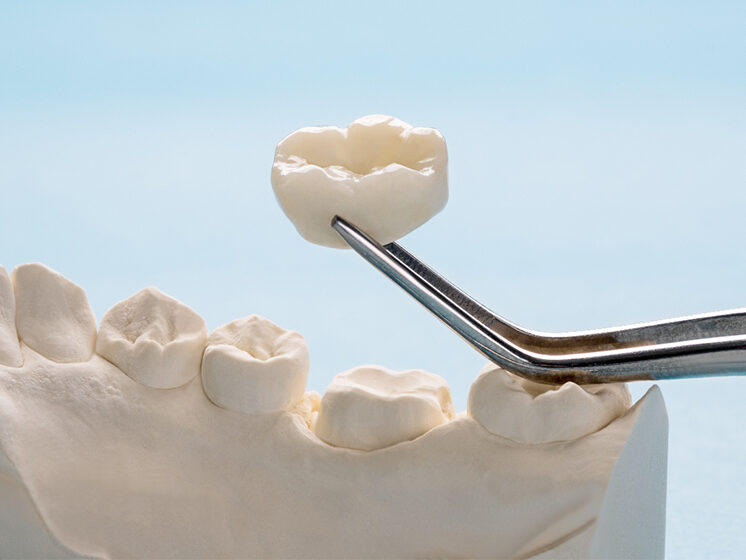
A dental crown is one of the most reliable ways to restore strength, function, and appearance to a damaged tooth. It is commonly recommended when a tooth is cracked, weakened, heavily filled, or cosmetically compromised. Many patients researching dental crowns in New York want clear, honest information about what really happens before, during, and after the procedure. Understanding the process removes uncertainty and helps patients feel confident about moving forward. Modern dentistry has made dental crowns more comfortable, precise, and natural-looking than ever before. When patients know what to expect, the experience becomes smooth, predictable, and reassuring.
Understanding the Purpose of a Dental Crown
A dental crown is a custom-made cap that fully covers a tooth to restore its shape, size, and strength. From an analytical perspective, crowns are designed not just to improve appearance but to protect teeth from further damage and preserve oral function. They distribute biting forces evenly, preventing fractures and long-term complications.
Dental crowns are commonly used for:
- Teeth weakened by decay
- Cracked or broken teeth
- Teeth after root canal treatment
- Large or failing fillings
- Cosmetic improvements
Dental Crown Myths vs. Reality
Many patients delay treatment due to common misconceptions. Clearing these myths helps people make informed decisions.
Myth: Dental Crowns Are Only Cosmetic
Reality: While crowns enhance appearance, their primary purpose is protection and function. They strengthen damaged teeth and prevent future issues.
Myth: The Procedure Is Painful
Reality: Modern techniques and local anesthesia make the dental crown process comfortable and well-tolerated.
Myth: Crowns Look Fake
Reality: Today’s materials are designed to blend seamlessly with natural teeth, making crowns virtually indistinguishable.
Step One: Initial Consultation and Examination
The dental crown process begins with a comprehensive evaluation. Dentists examine the affected tooth, surrounding gums, and overall bite. Digital X-rays or scans may be used to assess the internal structure.
From an analytical standpoint, this step ensures the crown is necessary and appropriate. Dentists also discuss material options and expected outcomes so patients understand every aspect of treatment. This is often when patients first hear detailed information about a dental crown and how it fits into a long-term oral health plan.
Step Two: Preparing the Tooth for a Dental Crown
Once the decision is made, the tooth is carefully prepared. Any decay or damaged structure is removed, and the tooth is reshaped to allow the crown to fit securely.
Preparation is precise and conservative. Dentists aim to preserve as much healthy tooth structure as possible while creating a strong foundation. Local anesthesia ensures comfort throughout this step.
Step Three: Digital Impressions and Temporary Crown
After preparation, impressions are taken to design the custom crown. Many practices now use digital scanning, which improves accuracy and comfort.
While the permanent crown is being crafted, a temporary crown is placed. This temporary restoration protects the tooth and maintains appearance and function. Patients receiving a dental crown often appreciate that temporary crowns allow them to continue daily activities without disruption.
Step Four: Crafting the Custom Dental Crown
The permanent crown is created using advanced materials such as porcelain, ceramic, or zirconia. These materials are chosen based on strength, durability, and aesthetic needs. From an analytical view, customization is key. The crown is designed to match the color, shape, and size of surrounding teeth, ensuring harmony within the smile.
Step Five: Placement of the Permanent Dental Crown
Once the crown is ready, the temporary crown is removed, and the permanent one is carefully placed. Dentists check fit, bite alignment, and comfort before permanently bonding it.
Adjustments are made as needed to ensure a natural feel. When done correctly, the crown should feel like a natural extension of the tooth. This step often marks the completion of the dental crown process, delivering immediate improvement in both function and appearance.
What to Expect After Your Dental Crown Visit
After placement, mild sensitivity may occur, but it typically resolves quickly. Patients can return to normal activities the same day.
Helpful post-care tips include:
- Avoiding hard or sticky foods for the first 24 hours
- Maintaining good oral hygiene
- Attending routine dental checkups
- Reporting any discomfort or bite issues
From an analytical standpoint, early attention to minor concerns ensures long-term success.
Longevity and Care of a Dental Crown
A well-maintained dental crown can last many years. Longevity depends on oral hygiene, biting habits, and regular dental visits.
Patients who invest in proper care protect both the crown and the natural tooth underneath. Routine cleanings and examinations help detect wear or issues early. Those choosing a dental crown benefit most when crowns are paired with preventive care and consistent follow-up.
How Dental Crowns Support Long-Term Oral Health
Dental crowns do more than restore a single tooth. They help maintain proper bite alignment, prevent shifting, and reduce strain on surrounding teeth. From an analytical perspective, crowns play a preventive role by stopping minor damage from becoming major dental problems.
Conclusion
Understanding the step-by-step dental crown process empowers patients to make informed decisions without fear or confusion. When myths are clarified and expectations are clear, treatment becomes a positive experience rather than a stressful one. Dental crowns restore strength, protect natural teeth, and enhance smiles with precision and care. At Modern Dental of Manhattan in New York, this patient-focused approach ensures that every dental crown experience is comfortable, transparent, and designed to deliver lasting oral health and confidence.