


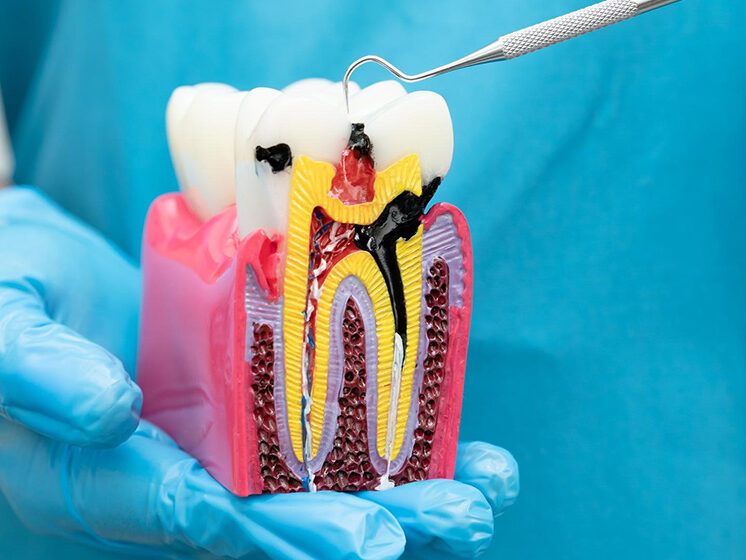
Tooth pain is easy to ignore at first, especially when it comes and goes. Many people assume the discomfort will disappear on its own or can be managed with painkillers. However, when an infection reaches the inner part, or root canal, of a tooth, delaying care can lead to serious consequences, especially if you postpone a root canal in New York, where early intervention is widely available. Avoiding treatment does not stop the problem; it allows it to grow. From an analytical perspective, understanding what truly happens when root canal treatment is delayed helps patients make informed, confident decisions. The right information can turn fear into action and protect long-term oral health.
Understanding Root Canals and Why They’re Recommended
A root canal is a dental procedure designed to remove infected or damaged pulp from inside a tooth. The pulp contains nerves and blood vessels, and once it becomes infected, the body cannot heal it on its own. Instead, bacteria continue to spread deeper into the tooth and surrounding bone.
Root canal treatment cleans the infection, seals the tooth, and preserves the natural structure. Analytically, it is a preventive solution that stops minor issues from turning into major oral and systemic problems.
What Causes the Need for a Root Canal?
Several issues can lead to pulp infection, including:
- Deep cavities left untreated
- Cracked or chipped teeth
- Repeated dental procedures on the same tooth
- Trauma to the tooth
When these factors are ignored, infection becomes inevitable.
Early Signs You Shouldn’t Ignore
Many patients delay treatment because symptoms start mildly. Unfortunately, early signs are the body’s warning system.
Common symptoms include:
- Persistent toothache
- Sensitivity to hot or cold
- Swollen or tender gums
- Darkening of the tooth
Ignoring these signs often leads patients to seek emergency care later, rather than planned treatment such as a Manhattan root canal.
What Happens If You Avoid Root Canal Treatment?
From an analytical standpoint, avoiding root canal treatment allows bacteria to progress unchecked. The infection does not remain confined to the tooth.
Infection Spreads Beyond the Tooth
Once the pulp is infected, bacteria move through the root canals into the jawbone. This can result in abscess formation, bone loss, and facial swelling. At this stage, pain often becomes severe and constant.
Delaying care increases the likelihood that simple treatment options will no longer be effective.
Increased Risk of Tooth Loss
Avoiding root canal treatment significantly raises the risk of losing the tooth entirely. Extraction becomes the only option when the tooth structure is too damaged to save.
Patients who delay often regret not choosing a root canal in Manhattan earlier, as preserving natural teeth is always preferable.
Higher Treatment Costs Over Time
Postponing treatment often leads to more complex procedures, including surgery, tooth replacement, or implants. Analytically, early root canal treatment is far more cost-effective than dealing with advanced infection.
Myths That Cause Patients to Delay Root Canal
Fear is often driven by outdated or incorrect information. Addressing myths is key to helping patients move forward.
Myth: Root Canal Treatment Is Extremely Painful
Reality: Modern techniques make root canal treatment no more uncomfortable than a standard filling.
Myth: It’s Better to Pull the Tooth
Reality: Preserving the natural tooth maintains proper bite alignment and jaw health.
Myth: Antibiotics Can Replace Root Canal
Reality: Antibiotics may temporarily reduce symptoms but cannot eliminate infection inside the tooth.
Root Canal and Overall Health Risks
Avoiding root canal treatment doesn’t just affect your mouth. Oral infections can impact overall health.
Possible complications include:
- Spread of infection to other areas
- Increased inflammation in the body
- Complications for individuals with weakened immune systems
Analytically, treating the source of infection protects both oral and systemic health.
What to Expect at Your Root Canal Visit
Understanding the process helps ease anxiety and builds trust in treatment.
Diagnosis and Imaging
The visit begins with a thorough exam and imaging to assess the extent of infection. This step ensures the treatment plan is precise and effective.
Cleaning and Sealing the Tooth
During the procedure, infected pulp is removed, the canals are cleaned, and the space is sealed to prevent reinfection. Most patients are surprised by how smooth the process feels.
Many who experience a Manhattan root canal report immediate relief once pressure and infection are removed.
Restoration After Root Canal
In most cases, a crown is placed to protect the treated tooth. This restores strength, function, and appearance.
How Root Canals Preserve Natural Teeth
Root canal treatment allows patients to keep their natural teeth instead of resorting to extraction. Natural teeth support proper chewing, speech, and jaw alignment.
Analytically, preserving the tooth maintains balance in the bite and prevents shifting of surrounding teeth.
Conclusion
Avoiding root canal treatment allows infection to spread, pain to intensify, and long-term damage to occur. Understanding the realities behind the myths helps patients see root canal treatment as a solution, not something to fear. Timely care preserves natural teeth, protects overall health, and prevents unnecessary complications. At Modern Dental of Manhattan in New York, access to informed, compassionate care ensures patients can address root canal concerns early and confidently, protecting their smiles for years to come.