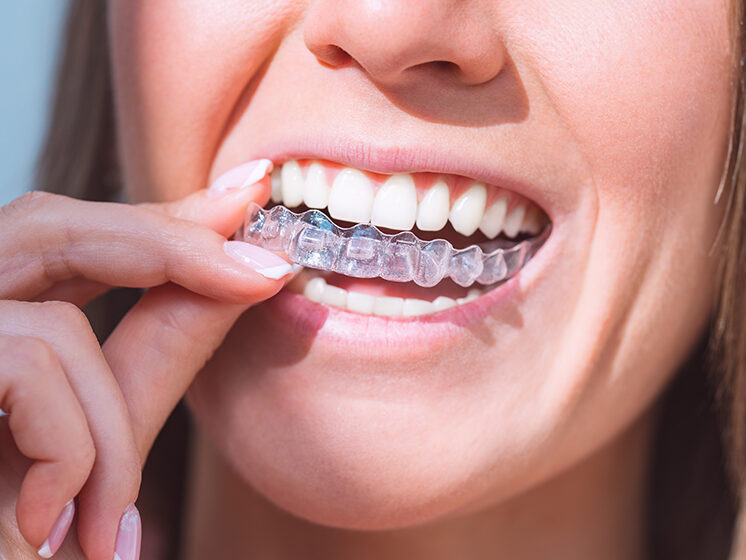
A confident smile can make a lasting impression, and modern orthodontics has made achieving straighter teeth more convenient than ever. One of the most popular alternatives to traditional braces is Invisalign, a clear aligner system designed to gradually shift teeth into proper alignment without the need for metal brackets or wires.
Before beginning Invisalign treatment in New York, it is important to understand how it works, who qualifies, what to expect during the process, and how to maintain results long-term. Choosing Invisalign is a proactive step toward achieving a healthier, more confident smile with minimal disruption to daily life. With proper commitment and professional guidance, this advanced orthodontic solution can deliver lasting results that enhance both appearance and oral health for years to come.
What is Invisalign, and how does it work?
Invisalign is a clear aligner system that uses a series of custom-made, removable trays to move teeth into their desired positions. Each set of trays is worn for approximately one to two weeks before switching to the next set in the series. The aligners apply gentle, consistent pressure to gradually reposition teeth over time. Unlike traditional braces, Invisalign trays are:
- Transparent
- Removable
- Smooth and comfortable
- Free from metal brackets and wires
Because the aligners are removable, they allow greater flexibility when eating, brushing, and flossing. However, they must be worn consistently to achieve optimal results.
While Invisalign is highly effective, it is not suitable for every orthodontic case. Ideal candidates typically include individuals with:
Who is a good candidate for Invisalign?
While Invisalign is highly effective, it is not suitable for every orthodontic case. Ideal candidates typically include individuals with:
- Mild to moderate crowding: Teeth that overlap or are slightly rotated due to limited space in the jaw, making cleaning difficult and increasing the risk of plaque buildup.
- Gaps between teeth: Noticeable spaces caused by missing teeth, undersized teeth, or natural spacing that may affect both aesthetics and bite balance.
- Overbite: Upper front teeth that significantly overlap the lower front teeth, which can lead to uneven wear, jaw discomfort, or speech concerns if left untreated.
- Underbite: Lower teeth that extend past the upper front teeth, potentially causing chewing difficulties and strain on the jaw joints.
- Crossbite: Misalignment where some upper teeth sit inside the lower teeth rather than outside, which may result in enamel wear or gum recession over time.
- Open bite: A condition where the upper and lower teeth do not meet properly when the mouth is closed, often affecting speech clarity and chewing efficiency.
Severe misalignment or complex orthodontic issues may require traditional braces or other specialized treatments. A consultation with a qualified dental professional is necessary to determine candidacy.
Teenagers and adults are both eligible for Invisalign treatment. However, patients must be responsible enough to wear aligners for the recommended duration each day to achieve predictable and successful results.
Treatment timeline: How long does Invisalign take?
Treatment length varies depending on the complexity of the case. On average, Invisalign treatment lasts:
- 6 to 12 months for mild cases
- 12 to 18 months for moderate cases
- Longer for more complex alignment needs
Some patients begin noticing visible improvements within a few weeks. However, completing the entire series of aligners is essential to achieve the final desired outcome.
Invisalign vs. traditional braces
Before starting treatment, it is helpful to compare Invisalign with traditional braces to understand which option best suits individual needs and lifestyle preferences.
Appearance
Invisalign aligners are made from clear, medical-grade plastic and fit snugly over the teeth, making them nearly invisible during everyday interactions. This discreet design makes them especially appealing to adults, working professionals, and teens who prefer a subtle orthodontic solution without visible metal components.
Comfort
Clear aligners are custom-trimmed and crafted from smooth plastic, which reduces the likelihood of gum and cheek irritation often associated with brackets and wires. While mild pressure is expected as teeth shift, many patients find Invisalign more comfortable overall compared to periodic tightening appointments required with braces.
Convenience
Aligners can be removed when eating, drinking anything other than water, brushing, and flossing. This flexibility allows for better oral hygiene maintenance and eliminates the food restrictions commonly associated with braces, such as avoiding sticky, hard, or chewy foods.
Discipline required
Traditional braces are fixed to the teeth and work continuously without patient intervention. Invisalign, however, requires consistent wear. Treatment success largely depends on a patient’s commitment to the recommended schedule.
Each option has its advantages, and a dental professional will recommend the most appropriate treatment based on the complexity of alignment issues, lifestyle factors, and long-term oral health goals.
Oral hygiene during Invisalign treatment
Maintaining proper oral hygiene is critical during treatment. Because aligners are removable, brushing and flossing remain straightforward. However, certain habits are essential:
- Brush teeth after every meal before reinserting aligners
- Floss daily
- Clean aligners using a soft toothbrush
- Avoid using hot water, which can warp the trays
Failing to clean teeth properly can trap food particles and bacteria inside the aligners, increasing the risk of cavities or gum disease.
Choosing the right provider for Invisalign treatment
Selecting the right dental provider plays a crucial role in achieving safe, predictable, and long-lasting results with clear aligner treatment. Not all practices offer the same level of expertise, technology, or patient-focused care. Taking time to evaluate the right provider ensures a smoother treatment journey and better overall outcomes.
At Brightly Dental Midtown in New York, clear aligner treatment is guided by advanced technology, clinical expertise, and a strong patient-first philosophy. Every Invisalign case begins with a comprehensive evaluation to create a fully personalized treatment plan tailored to individual smile goals and oral health needs. Using modern digital treatment planning, our team ensures accurate, comfortable, and efficient results from start to finish.
Conclusion
Before having Invisalign treatment, it is essential to understand the level of commitment, care, and professional supervision required for successful results. Clear aligners offer a discreet and convenient alternative to traditional braces, but achieving optimal alignment depends on consistent wear, proper oral hygiene, and regular dental checkups.
Choosing Invisalign is not only about straightening teeth. It is about investing in long-term oral health, improved function, and renewed confidence. Being well-informed about treatment timelines and daily responsibilities helps set realistic expectations and ensures a smoother orthodontic journey.
Frequently asked questions
Can Invisalign fix severe alignment issues?
Invisalign is effective for many mild to moderate orthodontic concerns. Severe or complex cases may require alternative treatments. A professional evaluation is necessary to determine eligibility.
Are there food restrictions during treatment?
There are no direct food restrictions because aligners are removable. However, teeth should be brushed before reinserting aligners to prevent staining and plaque buildup.
What happens if aligners are not worn consistently?
Inconsistent wear may delay progress and affect final results. Additional aligners or refinements may be required if treatment guidelines are not followed.
Is Invisalign suitable for teenagers?
Invisalign can be an effective option for teenagers who are responsible enough to wear aligners consistently as directed.
Does Invisalign affect speech?
A slight lisp may occur initially, but speech generally returns to normal as the mouth adapts to wearing aligners.