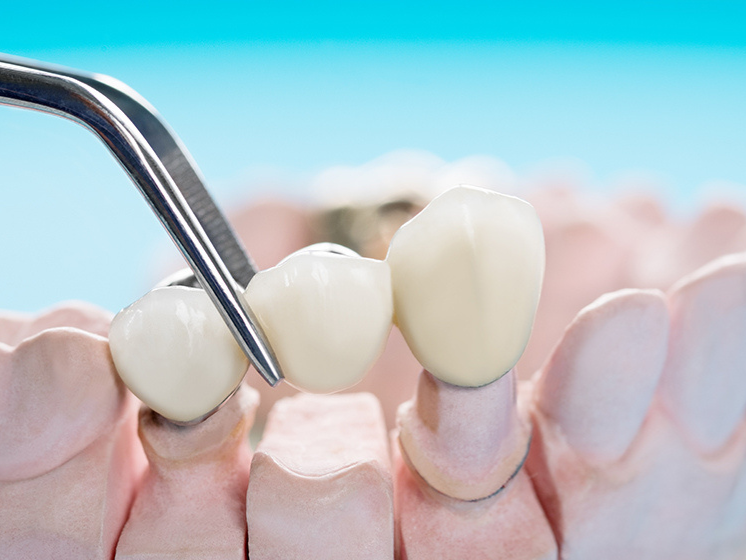
A healthy smile plays a major role in both oral health and self-confidence. When a tooth becomes damaged because of decay, fractures, wear, or injury, restoring its strength and appearance becomes essential. Dental crowns in Manhattan are one of the most effective solutions for protecting weakened teeth while improving functionality and aesthetics.
Whether a tooth has suffered structural damage or requires reinforcement after a dental procedure, crowns serve as a dependable restoration option that helps preserve long-term oral health.
What are dental crowns?
Dental crowns are tooth-shaped restorations placed over a weakened or damaged tooth. Their main purpose is to protect the tooth from further damage while restoring normal chewing and speaking abilities. Crowns are carefully customized to match the color, shape, and alignment of natural teeth, making them nearly impossible to notice. Patients often receive crowns after root canal therapy, severe cavities, cracked teeth, or cosmetic dental procedures.
Why dental crowns are essential for tooth restoration
Protecting weak or damaged teeth
One of the primary reasons dental crowns are important is their ability to strengthen compromised teeth. Teeth weakened by decay, large fillings, or fractures become vulnerable to further breakage. A crown acts as a protective shield that reinforces the tooth structure and prevents additional damage.
Restoring tooth functionality
Damaged teeth can make everyday activities like eating and speaking uncomfortable or difficult. Dental crowns restore the functionality of teeth by rebuilding their shape and strength. Once the crown is placed, patients can bite and chew more comfortably without fear of damaging the tooth further.
Improving appearance and confidence
Dental crowns also improve the appearance of damaged or discolored teeth. Modern crowns are carefully designed to resemble natural teeth in color, texture, and shape. This creates a seamless and attractive smile that enhances confidence. Many patients choose crowns not only for functional reasons but also to improve overall smile appearance.
Common situations where dental crowns are needed
After root canal treatment
Root canal therapy removes infected tissue from inside a tooth, helping save it from extraction. However, the procedure can leave the tooth weaker and more prone to fractures. A dental crown is often placed after root canal treatment to reinforce the tooth and protect it from damage.
Large cavities and extensive decay
When a cavity becomes too large for a regular filling, a crown may be necessary to restore the tooth properly. Large fillings can weaken the remaining tooth structure, increasing the risk of fractures. Crowns provide complete coverage and support, helping maintain the integrity of the tooth.
Cracked or broken teeth
Accidents, teeth grinding, or biting hard objects can cause teeth to crack or break. Depending on the severity of the damage, crowns may be the best solution for restoring the tooth. Crowns hold the damaged portions together while preventing the crack from spreading further.
Dental implants and bridges
Dental crowns are also used in combination with other restorative procedures. They serve as the visible portion of dental implants and support dental bridges used to replace missing teeth. In these situations, crowns help restore both appearance and oral function while creating a natural-looking smile.
Conclusion
Dental crowns play a critical role in restoring damaged teeth and preserving long-term oral health. They strengthen weakened teeth, restore normal functionality, and improve the appearance of a smile. Whether used after root canal treatment, for cracked teeth, or to restore severely decayed teeth, crowns provide durable and natural-looking results that support both comfort and confidence.
For patients seeking dependable restorative dental care, Brightly Dental Midtown offers professional solutions designed to protect and enhance smiles. With advanced techniques and personalized treatment plans, the practice focuses on delivering high-quality dental crowns that restore function, appearance, and long-term oral health.
Frequently asked questions
How long do dental crowns usually last?
Dental crowns can last many years with proper care and maintenance. Their lifespan depends on oral hygiene habits, the material used, and daily wear.
Can dental crowns look natural?
Modern dental crowns are designed to match the appearance of natural teeth. Proper customization helps crowns blend seamlessly with surrounding teeth.
Do dental crowns require special care?
Dental crowns do not require complicated maintenance. Regular brushing, flossing, and routine dental checkups are usually enough to keep them in good condition.
Why would someone need a dental crown instead of a filling?
A crown is often recommended when a tooth is too damaged or weakened for a regular filling. Large cavities, fractures, or root canal-treated teeth may require the additional support that a crown provides.
Can a dental crown restore a broken tooth?
Yes, dental crowns are commonly used to restore broken or cracked teeth. The crown covers and protects the damaged tooth while restoring its shape and strength.