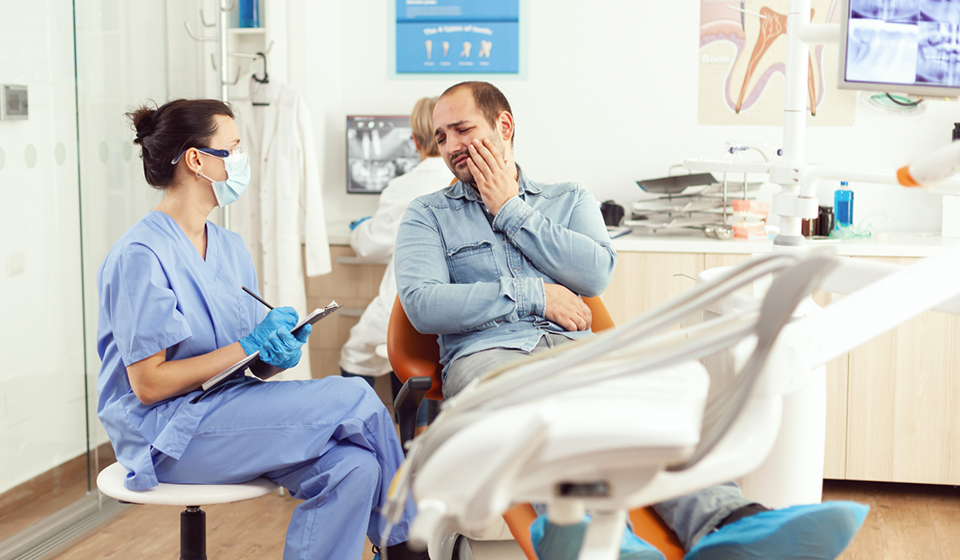
Emergency Dentist Near You: When to Call and What to Expect

Dental emergencies rarely happen at convenient times. A sudden toothache, broken tooth, or swelling can quickly turn from uncomfortable to unbearable. Acting fast can make the difference between saving and losing a tooth. Emergency Dentistry in New York provides rapid diagnosis and treatment when time truly matters. Patients who understand when to call and what to expect are more likely to protect their oral health and avoid complications. Emergency dental care is not just about pain relief; it is about stabilizing conditions and preventing long-term damage. Knowing the process removes panic and replaces it with a clear action plan.

What is an emergency dentistry situation?

Many people delay treatment because they are unsure whether their situation qualifies as an emergency. From a clinical standpoint, an emergency is any dental condition involving severe pain, active infection, uncontrolled bleeding, or structural damage.

Situations that typically require emergency dentistry in New York include:

  • Severe, persistent tooth pain
  • Knocked-out tooth
  • Cracked or fractured tooth
  • Facial or gum swelling
  • Dental abscess or infection
  • Uncontrolled oral bleeding
  • Lost crown with exposed nerve pain
  • Trauma from accidents or sports

If pain is intense or symptoms are rapidly worsening, it should be treated as urgent.

Emergency Dentistry vs. Urgent Dental Care

Emergency Dentistry Severity Levels

Not all urgent dental problems are true emergencies, but they still need quick attention. Understanding severity helps patients respond appropriately.

True emergencies usually involve:

  • Risk of tooth loss
  • Spreading infection
  • Severe inflammation
  • Trauma with structural damage

Urgent (but not life-threatening) issues include:

  • Minor chipped tooth
  • Lost filling without pain
  • Mild gum irritation
  • Food trapped under gums

Emergency dentistry in New York clinics is equipped to triage and treat both categories efficiently.

When to Call an Emergency Dentist Immediately

Emergency Dentistry Warning Signs

Certain symptoms indicate you should call right away rather than wait and watch. Dental infections and trauma can escalate quickly due to the mouth’s rich blood supply.

Call immediately if you experience:

  • Throbbing pain that prevents sleep
  • Swelling in the face or jaw
  • Fever with dental pain
  • Pus or bad taste near a tooth
  • Difficulty opening your mouth
  • A tooth that has been knocked out

Time-sensitive response dramatically improves outcomes in emergency dentistry cases.

What to Expect During an Emergency Dentistry Visit

Emergency Dentistry Exam and Imaging

Emergency visits are focused, fast, and problem-oriented. The goal is stabilization first, full restoration second. Dentists perform targeted exams and often take digital X-rays to identify hidden damage.

An emergency dentistry appointment may include:

  • Focused oral exam
  • Digital imaging
  • Infection assessment
  • Bite testing
  • Nerve vitality checks

This analytical approach ensures the root cause is treated—not just the symptom.

Immediate Treatments in Emergency Dentistry

Emergency Dentistry Stabilization Procedures

Treatment depends on the diagnosis. Emergency dentistry focuses on rapid stabilization and pain control.

Common emergency treatments include:

  • Infection drainage
  • Emergency root canal
  • Temporary crown placement
  • Tooth splinting
  • Pain-relief medication protocols
  • Protective restorations

The objective is to stop progression and protect the tooth or tissue.

What to Do Before You Reach the Emergency Dentistry Office

Emergency Dentistry First-Aid Steps

Immediate self-care can reduce damage while you travel to the dental office. These steps are not substitutes for treatment—they are temporary stabilizers.

If a tooth is knocked out:

  • Pick it up by the crown, not the root.
  • Rinse gently with water
  • Place in milk or saliva
  • Do not scrub.
  • Seek care within 60 minutes

If swelling is present:

  • Apply a cold compress
  • Stay upright
  • Avoid heat

If pain is severe:

  • Use over-the-counter pain relief
  • Avoid placing aspirin directly on gums.

These measures support better emergency dentistry outcomes.

How Emergency Dentistry Handles Dental Infections

Emergency Dentistry and Abscess Control

Dental infections are among the most dangerous oral emergencies because they can spread beyond the tooth. Emergency dentistry focuses on pressure relief and bacterial control.

Infection treatment may include:

  • Drainage procedures
  • Antibiotic therapy
  • Root canal access
  • Temporary sealing

Delaying infection care increases risk—this is one of the most time-critical emergency dentistry scenarios.

Pain Management in Emergency Dentistry

Emergency Dentistry Comfort Protocols

Pain control is a central goal of emergency dentistry. Modern techniques allow rapid relief through targeted anesthesia and anti-inflammatory strategies.

Pain control methods include:

  • Local anesthetics
  • Nerve blocks
  • Anti-inflammatory medications
  • Pressure relief treatment

Relief is often faster than patients expect.

Conclusion

Emergency dental care should be accessible, efficient, and clinically precise. Patients should not feel uncertain about when to seek help or what will happen when they arrive. Emergency dentistry services in New York are designed to respond quickly, diagnose accurately, and stabilize effectively. Whether the issue is trauma, infection, or severe pain, prompt care protects both teeth and overall health. If you ever need urgent dental support, a qualified Manhattan dentist with emergency capabilities can make the difference between escalation and resolution. At Modern Dental of Manhattan in New York, emergency dental care is delivered with speed, clinical precision, and patient-centered focus, exactly when it matters most.


Top 10 Most Common Dental Emergencies & How to Handle Them

A dental emergency can happen when you least expect it. Whether it’s sudden pain, trauma, or infection, immediate care is crucial for protecting your smile. Many patients don’t realize how quickly dental problems can worsen and lead to long-term damage. When you’re dealing with dental emergencies in New York, it’s important to know what to do before you reach the dental office. The right response can make the difference between saving a tooth and losing it. At our Manhattan practice, we are here to help you handle the unexpected. With knowledge and prompt action, you can stop discomfort and avoid complications.

Understanding Dental Emergencies

Dental issues can escalate faster than most people think. Pain and swelling are your body’s warning signals that something is wrong. Responding properly can help reduce infection, protect your oral health, and provide immediate relief.

Common signs of dental emergencies include:

  • Persistent or severe toothache
  • Traumatic injury to the teeth or mouth
  • Broken or knocked-out tooth
  • Bleeding that won’t stop
  • Swollen gums or face
  • Lost filling or crown

If you’re experiencing any of these symptoms, contact a dentist immediately. Dental emergencies should never be ignored.

Top 10 Most Common Situations & What to Do

Here are the most common types of dental emergencies, along with steps to protect your teeth until you receive professional care.

Severe Toothache

Often caused by infection, decay, or impacted food.
What to do:

  • Rinse with warm saltwater
  • Avoid placing aspirin on the tooth.
  • Call your dentist ASAP.

If your pain increases, it may be an urgent case requiring treatment like a root canal.

Knocked-Out Tooth

A knocked-out tooth requires fast action—ideally within 30 minutes.
What to do:

  • Pick up the tooth by the crown only.
  • Place it in milk or your saliva.
  • Seek immediate care

Quick response improves the chances of saving the natural tooth.

Chipped or Broken Tooth

This can be caused by biting down on hard foods or accidents.
What to do:

  • Save any broken pieces
  • Apply a cold compress
  • Avoid chewing on that side.

Repair options may include bonding, veneers, or dental crowns.

Lost Crown or Filling

When a restoration falls out, the exposed tooth feels sensitive.
What to do:

  • Avoid sticky or hard foods
  • Use temporary dental cement if available
  • Contact your dentist for a replacement.

A prompt solution protects the tooth from further damage.

Abscessed Tooth

An abscess is a serious infection that can spread quickly.
What to do:

  • Rinse with saltwater
  • Do not pop the abscess.
  • Get urgent dental treatment

Abscesses are among the most dangerous dental emergencies in Manhattan and require professional care right away.

Oral Bleeding That Won’t Stop

Injury, gum disease, or post-extraction issues may cause sustained bleeding.
What to do:

  • Apply pressure with clean gauze
  • Avoid mouth rinsing
  • See a dentist if bleeding continues more than 15 minutes.

This is a sign that immediate professional help is needed.

Loose or Dislodged Tooth

Trauma or infection may cause teeth to shift.
What to do:

  • Do not force the tooth back into place.
  • Keep your mouth clean.
  • Seek emergency dental care

Early intervention may help save the tooth.

Broken Braces or Wires

Sharp wires can injure cheeks, gums, or tongue.
What to do:

  • Push the wire into a more comfortable position.
  • Use orthodontic wax if available
  • Avoid cutting the wire.

Orthodontic-related Manhattan dental emergencies should be treated promptly to prevent injury.

Soft Tissue Injury (Gums, Lips, Cheeks, Tongue)

Common during sports or accidental bites.
What to do:

  • Clean the area gently.
  • Apply pressure to stop bleeding
  • Use an ice pack to reduce swelling.

If bleeding is severe, seek immediate help.

Sudden or Severe Jaw Pain

This may indicate TMJ disorder, trauma, or infection.
What to do:

  • Apply a cold compress
  • Take recommended pain relievers
  • Get professionally evaluated

Jaw pain should never be overlooked.

What to Expect During an Emergency Dental Visit

Once you arrive at the dental office, the initial goal is to relieve pain and stabilize your condition.

You can expect:

  • A quick assessment of your symptoms
  • Digital X-rays to evaluate hidden issues
  • Treatment to stop infection or bleeding
  • Temporary or permanent restoration
  • Guidance for continued care at home

Your dentist will also address underlying causes to prevent future emergencies.

Preventing Dental Emergencies:

While accidents can’t always be avoided, simple prevention helps protect your teeth:

  • Maintain strong oral hygiene
  • Wear a mouthguard during sports.
  • Avoid chewing ice or hard objects.
  • Get routine dental checkups and cleanings
  • Treat cavities and gum disease early

Minor dental issues can quickly escalate if ignored—prevention is always better than emergency treatment.

Conclusion

Dental emergencies demand fast, professional attention to protect your health and save your teeth. Having a plan and knowing what steps to take can help you stay calm and in control. If you are experiencing any form of dental pain, injury, or infection, don’t delay—urgent care can prevent complications and restore comfort. Contact the trusted team at Modern Dental of Manhattan in New York whenever you need immediate assistance, and let experts protect your smile with swift, compassionate care.

How to Prepare for a Dental Emergency Before It Happens

Life has a way of throwing surprises when you least expect them. One moment you’re enjoying dinner, and the next, you’re dealing with a cracked tooth or sudden pain that won’t go away. Dental emergencies are never convenient, but being prepared makes all the difference. Having a plan in place gives you peace of mind and ensures you get the right care quickly. That’s why knowing how to handle urgent dental problems and where to find expert help, such as a Manhattan emergency dentist, is so important. When you’re prepared, even the most unexpected dental issues can feel manageable.

Whether it’s toothaches, broken restorations, or knocked-out teeth, emergencies require fast action and reliable care. Understanding the basics of emergency dentistry in Manhattan helps you take control when every second counts.

What Qualifies as a Dental Emergency?

Dental emergencies are not limited to excruciating pain. They cover a wide range of unexpected issues that require immediate professional care. Some of the most common include:

  • Severe toothache that doesn’t improve with over-the-counter medication
  • Broken, chipped, or knocked-out teeth
  • Swelling in the gums or jaw that could indicate infection
  • Lost fillings, crowns, or bridges that affect your ability to chew or speak
  • Injuries to the soft tissues of the mouth, such as cuts on the gums or tongue

Knowing what qualifies as urgent helps you act quickly. While not every issue needs immediate intervention, delaying care can often make the situation worse.

Why Preparation Matters for Dental Emergencies

Preparation is more than just having your dentist’s number saved. It means understanding what to do in those critical first moments before you reach the office. When you’re ready:

  • You reduce stress and panic during a painful situation.
  • You protect teeth and gums from further damage.
  • You shorten recovery time with timely action.
  • You avoid costly complications that can come from waiting too long.

When you think of emergencies like car accidents or medical situations, we’re often told to be ready. Dental health deserves the same consideration.

First Aid Steps for Common Dental Emergencies

Severe Toothache

Rinse your mouth with warm water and gently floss around the affected tooth. Avoid placing aspirin directly on the tooth or gums, it can cause burns. If the pain persists, seek care immediately.

Knocked-Out Tooth

Handle the tooth by the crown, not the root. Rinse it gently with water, but do not scrub. If possible, place it back into the socket. If not, store it in milk or a saline solution and bring it with you to your appointment. Time is critical—treatment within an hour offers the best chance of saving the tooth.

Broken or Chipped Tooth

Rinse your mouth and save any broken pieces. Apply gauze if bleeding occurs and use a cold compress to minimize swelling.

Lost Filling or Crown

Keep the crown or filling safe and avoid chewing on that side of the mouth. Temporary dental cement (available at most pharmacies) can protect the exposed tooth until you visit a dentist.

How Emergency Dentistry in Manhattan Protects Your Smile

When you face an urgent dental situation, access to reliable emergency dentistry in Manhattan is invaluable. Emergency-focused dentists prioritize:

  • Immediate pain relief
  • Protecting and restoring damaged teeth
  • Treating infections before they spread
  • Offering long-term solutions after the emergency is handled

In a city as busy as New York, having a trusted emergency provider ensures you never have to second-guess where to turn when dental pain strikes.

Tips for Preventing Dental Emergencies

While not all emergencies are avoidable, many can be minimized with smart habits. Consider:

  • Wearing a mouthguard during sports or physical activities
  • Avoiding chewing ice, hard candy, or non-food items
  • Scheduling regular dental checkups to catch issues early
  • Maintaining strong oral hygiene at home
  • Avoiding bad habits like using your teeth as tools to open packages

Prevention not only protects your smile but also gives you confidence in avoiding unexpected dental stress.

Conclusion

Dental emergencies can happen to anyone, but preparation ensures you’re never caught off guard. From building a simple dental first aid kit to knowing the steps for handling common problems, every bit of preparation counts. Most importantly, having reliable emergency dentistry in Manhattan means you’ll always have expert care when you need it most. At Modern Dental of Manhattan in New York, we are here to handle urgent cases with precision, compassion, and speed—so your smile always gets the protection it deserves.

Top 5 Most Common Dental Emergencies & What To Do

Dental emergencies can strike at any time, during a casual lunch, a sports game, or even while sleeping. The pain can be intense, the damage unsettling, and the consequences significant if left untreated. Understanding how to react in those first crucial moments can make all the difference between saving or losing a tooth. At Modern Dental of Manhattan, we believe in equipping you with the right knowledge to protect your oral health.

Whether you’re dealing with unexpected pain or trauma, emergency dentistry in New York is more than just urgent care; it’s about preserving your smile and well-being. Knowing where to go and what steps to take can mean faster relief and long-term solutions. If you’re searching for a Manhattan emergency dentist or looking to learn more about what classifies as a dental emergency, this guide is for you. Let’s take a closer look at the top dental emergencies and what you should do if they happen.

Understanding Emergency Dentistry in New York

Emergency dentistry in New York focuses on treating dental problems that need immediate attention to save a tooth, stop ongoing tissue bleeding, or relieve severe pain or infection. These issues can’t wait days for an appointment—they require fast, expert care, often within hours. Common dental emergencies:

1. Knocked-Out Tooth

This is one of the most time-sensitive dental emergencies. A tooth that has been knocked out due to trauma, whether from sports, falls, or an accident, needs immediate care.

What to do:

  • Hold the tooth by the crown (not the root).
  • Rinse it gently with water, don’t scrub or remove any tissue.
  • Try to place it back in the socket. If not possible, place it in milk or a tooth preservation product.
  • See a Manhattan emergency dentist within 30-60 minutes.

Time is of the essence. The faster you act, the higher the chances of saving the tooth.

2. Severe Toothache or Dental Pain

Sudden, throbbing toothaches are often signs of underlying issues such as abscesses, decay reaching the nerve, or trauma. Over-the-counter pain relievers may offer temporary relief, but they’re not a substitute for professional care.

What to do:

  • Rinse your mouth with warm water.
  • Floss gently to ensure there’s no food or debris.
  • Apply a cold compress to the outside of your face if swelling occurs.

Emergency dentistry in New York is essential for relieving pain and treating the cause, whether it’s an infected tooth or something more serious.

3. Broken, Cracked, or Chipped Tooth

Fractures in your teeth—whether minor or severe—can expose the nerves and increase sensitivity, making eating and drinking uncomfortable.

What to do:

  • Rinse your mouth with warm saltwater.
  • Use gauze to stop any bleeding.
  • Save any tooth fragments in milk or saliva.
  • Apply a cold compress for swelling.

Small chips may be easy to fix, but a serious break can expose the pulp and require a root canal or crown. Prompt care helps protect the structure and health of your tooth.

4. Dental Abscess or Swelling

An abscess is a pocket of pus caused by a bacterial infection, usually from untreated cavities, periodontal disease, or dental trauma. This is a serious condition that can affect surrounding tissues and even lead to life-threatening complications if the infection spreads.

What to do:

  • Rinse with saltwater to ease discomfort and draw out pus.
  • Do NOT pop the abscess.
  • Contact a Manhattan emergency dentist right away.

Abscesses require drainage and antibiotics. Don’t delay—this is a major warning sign that needs urgent intervention.

5. Lost or Damaged Dental Restoration

Crowns, fillings, or bridges may loosen or fall out due to wear, decay underneath, or trauma. While it might not seem urgent, exposed areas can become sensitive or more prone to infection.

What to do:

  • Save the restoration if you can.
  • Avoid eating on that side of your mouth.
  • Use dental cement (available at drugstores) to temporarily reattach the crown.

Leaving the issue unaddressed can lead to decay, tooth damage, or even tooth loss.

Tips for Preventing Dental Emergencies

While some dental emergencies are unavoidable, many can be prevented with proper habits and regular dental care.

  • Wear a mouthguard during sports or physical activities.
  • Avoid chewing on ice, hard candy, or pens.
  • Don’t use your teeth to open packages or bottles.
  • Schedule routine checkups and cleanings.
  • Address small issues before they become big problems.

Staying proactive about your oral health is the best way to reduce your risk and stay out of the emergency chair.

Conclusion

Dental emergencies can be frightening, but knowing what to do, and where to go, makes all the difference. With the right information and immediate action, you can minimize damage, reduce pain, and often save your natural teeth.

Whether you’re facing a knocked-out tooth or sudden infection, our expert team at Modern Dental of Manhattan in New York is here to help. We take emergencies seriously and treat every patient with the urgency and care they deserve.

Next time you search for a Manhattan emergency dentist, remember, your solution is closer than you think. Book an appointment today and experience the responsive, modern care you can trust.