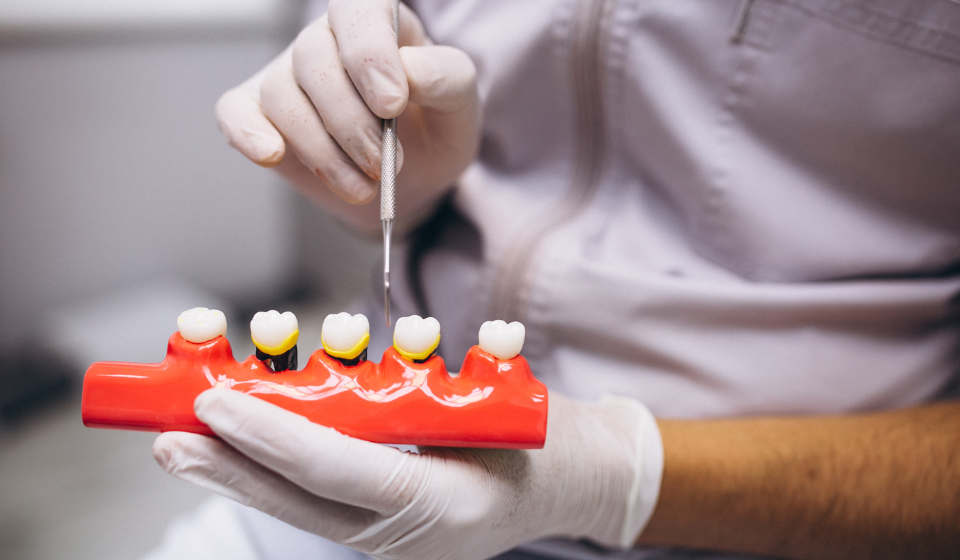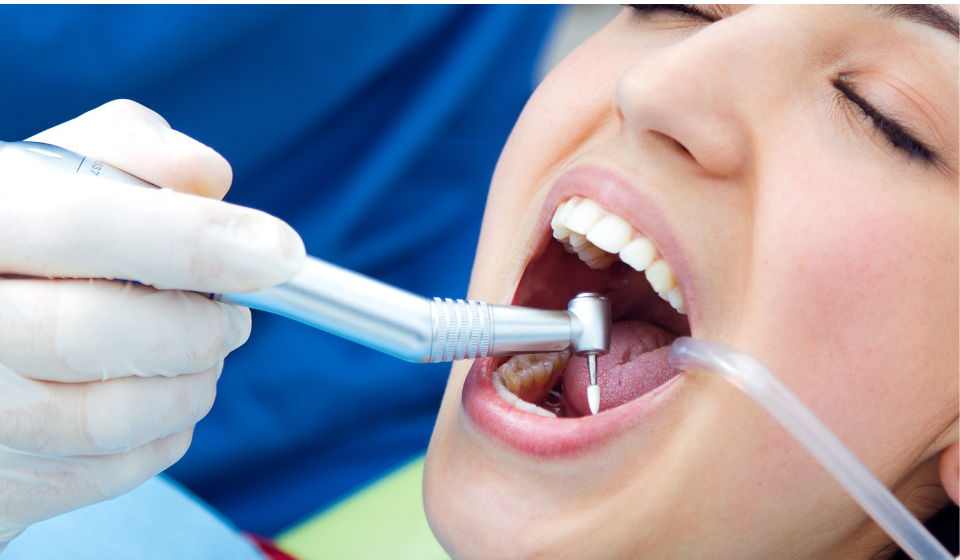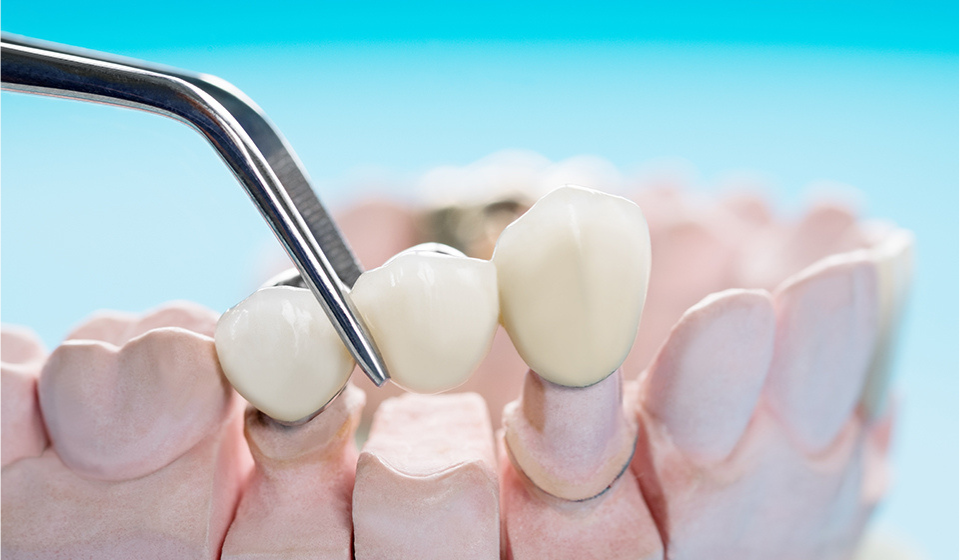
Benefits of Professional Dental Cleanings for a Brighter Smile

A healthy smile is often one of the first things people notice, and maintaining it requires more than just brushing and flossing at home. Many individuals overlook the importance of routine professional care until dental issues begin to appear. One of the most effective preventive treatments for long-term oral health is dental cleaning in Manhattan, which helps remove hardened plaque, surface stains, and bacteria that daily hygiene cannot fully eliminate. These cleanings not only improve the appearance of teeth but also play a major role in protecting gums and supporting overall oral wellness.

What is a professional dental cleaning

A professional dental cleaning is a preventive procedure performed by a dental hygienist or dentist to remove plaque, tartar, and stains from the teeth. Even with consistent brushing, plaque can harden into tartar, which cannot be removed without specialized tools. This buildup can lead to gum inflammation, decay, and other oral health concerns if left untreated.

During the cleaning process, the teeth are carefully examined, scaled to remove deposits, and polished to restore a smooth surface. The treatment is gentle, effective, and essential for maintaining long-term oral hygiene.

Key benefits of professional dental cleanings

Professional dental cleanings provide a wide range of benefits that extend beyond cosmetic improvement. These advantages contribute significantly to both oral health and overall confidence.

Prevents tooth decay and cavities

One of the primary benefits of regular cleanings is the prevention of tooth decay. Plaque contains bacteria that produce acids, which gradually wear down enamel. By removing plaque and tartar buildup, professional cleanings reduce the risk of cavities and help preserve natural teeth for longer periods.

Improves gum health

Healthy gums are essential for strong teeth. When plaque accumulates along the gumline, it can cause irritation, redness, and bleeding. If untreated, this may progress to gum disease. Professional cleanings help eliminate bacteria that contribute to inflammation, promoting healthier and more resilient gums.

Enhances smile brightness

Surface stains from coffee, tea, smoking, and certain foods can dull the appearance of teeth. Professional polishing helps remove these stains, resulting in a visibly brighter smile. This improvement in aesthetics can significantly boost confidence in social and professional interactions.

Reduces the risk of bad breath

Persistent bad breath is often caused by bacteria trapped in plaque and tartar. Even with regular brushing, some areas of the mouth remain difficult to clean effectively. Professional cleanings target these hidden areas, helping to eliminate odor-causing bacteria and leaving the mouth feeling fresher.

Supports early detection of dental issues

Routine dental visits allow professionals to identify early signs of oral health problems such as cavities, gum disease, or enamel erosion. Early detection makes treatment simpler, less invasive, and more cost-effective, helping patients avoid more serious complications in the future.

Promotes overall health

Oral health is closely linked to overall well-being. Research has shown connections between gum disease and conditions such as heart disease and diabetes. By maintaining regular dental cleanings, individuals can reduce inflammation and bacterial load in the mouth, which may positively influence general health.

Conclusion

Professional dental cleanings are an essential part of maintaining a healthy, bright, and confident smile. They help prevent decay, improve gum health, reduce stains, and support early detection of oral health issues. Regular cleanings combined with proper daily hygiene create a strong foundation for long-term dental wellness.

For individuals seeking consistent and high-quality oral care, Modern Dental of Manhattan provides professional services focused on comfort, precision, and long-lasting results. With a commitment to patient-centered care, it ensures every visit contributes to a healthier and brighter smile.

Frequently asked questions

Is dental cleaning painful?

Most dental cleanings are not painful. Some individuals may experience slight sensitivity, especially if there is gum inflammation, but the procedure is generally comfortable.

Can dental cleanings remove all stains?

Professional cleanings can remove many surface stains caused by food, drinks, and tobacco. However, deeper intrinsic stains may require additional cosmetic treatments for complete removal.

Why are regular dental cleanings important if teeth feel fine?

Even if teeth feel healthy, plaque and tartar can still accumulate in hidden areas. Regular cleanings help prevent future problems and maintain long-term oral health.

Do dental cleanings help with gum disease?

Yes, professional cleanings help remove bacteria and buildup that contribute to gum disease. Consistent cleanings can prevent progression and support healthier gums.

How soon can normal eating resume after a cleaning?

Normal eating can usually resume immediately after a dental cleaning. If fluoride treatment is applied, it may be recommended to wait a short period before eating or drinking.
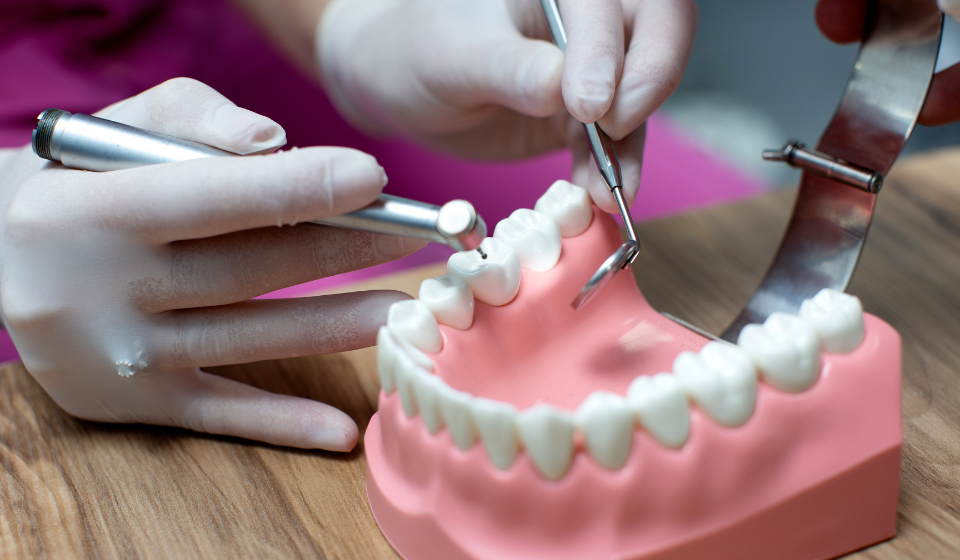
Why Dental Crowns Are Important for Protecting Damaged Teeth

Dental damage can occur in many ways, from decay and fractures to wear from grinding or accidental injury. When a tooth becomes weakened, restoring its strength and function becomes essential to prevent further complications. One of the most reliable restorative treatments in modern dentistry is dental crowns in Manhattan, which are designed to fully cover and protect compromised teeth while restoring their natural appearance and performance. These restorations play a crucial role in long-term oral health by reinforcing the tooth structure and preventing additional damage that could lead to extraction.

What are dental crowns?

A dental crown is a cap that is placed over a damaged or weakened tooth. It fully encases the visible portion of the tooth above the gum line, restoring its shape, size, and strength. Crowns can be made from various materials such as porcelain, ceramic, metal alloys, or a combination of these.

Each crown is designed specifically for the patient, ensuring a comfortable fit and natural appearance. The primary purpose is to protect the remaining tooth structure while allowing normal biting and chewing functions.

Why damaged teeth need protection

When a tooth is cracked, decayed, or weakened, it becomes vulnerable to further deterioration. Without proper treatment, the damage can progress deeper into the tooth, potentially affecting the nerve and surrounding tissues.

A compromised tooth may lead to sensitivity, pain, and difficulty chewing. In more severe cases, infection can develop, increasing the risk of tooth loss. Protecting the tooth early helps preserve its structure and prevents more invasive procedures in the future.

Dental crowns act as a protective shield, holding the tooth together and preventing fractures from spreading.

Key benefits of dental crowns

Dental crowns provide a wide range of benefits that make them a preferred solution for restoring damaged teeth.

Restores strength and function

A weakened tooth often struggles to handle normal biting pressure. A crown reinforces the tooth, allowing it to function like a healthy natural tooth. This restoration helps patients eat comfortably without fear of further damage.

Prevents further decay or fracture

Once a tooth is compromised, it is more susceptible to additional damage. A crown seals the tooth, protecting it from bacteria and reducing the risk of decay spreading deeper.

Improves appearance

Crowns are designed to blend seamlessly with surrounding teeth. This makes them an excellent option for visible teeth that require restoration, as they enhance both function and aesthetics.

Long-lasting solution

With proper care, dental crowns can last many years. Their durability makes them a cost-effective solution for long-term dental health.

Supports overall oral health

By preserving natural teeth, crowns help maintain proper alignment and bite structure. This prevents additional stress on surrounding teeth and reduces the likelihood of future dental issues.

When are dental crowns recommended?

Dentists may recommend a crown in several situations where a tooth cannot be restored with a simple filling or other minor treatment. Common cases include:

  • Severe tooth decay that weakens the structure
  • Cracked or fractured teeth
  • Teeth that have undergone root canal treatment
  • Excessive wear caused by grinding or erosion
  • Large fillings that compromise tooth strength
  • Cosmetic improvements for misshapen or discolored teeth

Each case is evaluated individually to determine whether a crown is the most suitable treatment option.

The dental crown procedure

Getting a dental crown typically involves multiple steps to ensure precision and comfort.

  • Tooth examination: The dentist checks the tooth and takes X-rays to assess damage and decide if a crown is needed.
  • Tooth preparation: The tooth is cleaned, decay is removed, and it is reshaped to fit the crown properly.
  • Impressions: Impressions or digital scans are taken to create a custom-made crown.
  • Temporary crown: A temporary crown is placed to protect the tooth while the permanent one is made.
  • Permanent crown placement: The final crown is fitted, adjusted, and cemented into place.
  • Final adjustments: The bite is checked, and minor adjustments are made for comfort and proper alignment.

Conclusion 

Dental crowns play an essential role in protecting damaged teeth by restoring strength, function, and appearance. They prevent further deterioration, support long-term oral health, and provide a reliable solution for a wide range of dental issues. Their ability to preserve natural teeth makes them one of the most valuable restorative treatments available today.

Modern Dental of Manhattan offers advanced restorative care focused on long-term results and patient comfort. With a commitment to precision and quality, treatments are designed to restore both health and confidence while ensuring a natural-looking smile that lasts.

Frequently asked questions

Are dental crowns painful to get?

The procedure is generally not painful because local anesthesia is used during treatment. Some mild sensitivity may occur afterward, but it usually improves within a few days.

Can a crowned tooth still get cavities?

Yes, the underlying tooth structure can still develop decay if not properly cared for. Maintaining good oral hygiene is important to protect both the crown and the surrounding teeth.

What is the difference between a filling and a crown?

A filling repairs a small portion of a tooth, while a crown covers the entire tooth. Crowns are used when damage is too extensive for a filling to restore strength and function.

Do crowns look natural?

Modern dental crowns are designed to closely match the color and shape of natural teeth. They blend seamlessly with surrounding teeth, making them nearly indistinguishable.

When should a crown be replaced?

A crown should be replaced if it becomes loose, damaged, or if decay develops underneath. Regular dental checkups help identify when replacement is needed.

Are Dental Implants Right for You? Key Things to Know

Missing teeth can affect much more than appearance. They can impact chewing, speaking, confidence, and overall oral health. Many people today are turning to dental implants as a long-term solution because they closely resemble natural teeth in both function and appearance. Patients searching for reliable dental implants in Manhattan often have to understand whether implants are truly the right option for their needs and lifestyle.

Choosing dental implants is an important decision that can improve oral health and quality of life for years to come. Learning the key details can help patients feel more informed and confident before beginning treatment.

What are dental implants?

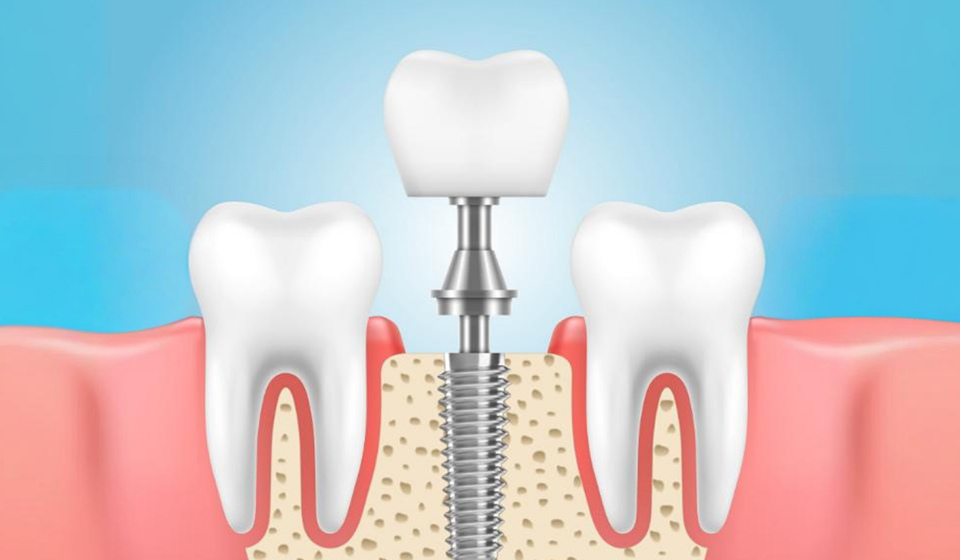
Dental implants are artificial tooth roots typically made from biocompatible titanium. These implants are surgically placed into the jawbone where missing teeth once existed. After healing and bonding with the bone, a custom dental crown is attached to complete the restoration.

A dental implant restoration usually includes three primary parts:

  • The implant post acts as the root replacement 
  • The abutment connects the implant to the restoration 
  • The crown replicates the visible portion of the tooth 

Together, these components create a secure and highly natural-looking replacement. 

One reason implants are so popular is their ability to function similarly to natural teeth. They allow patients to chew comfortably, smile confidently, and maintain better jawbone support over time.

Why dental implants are considered a long-term solution

Unlike some restorative treatments that may require frequent adjustments or replacements, dental implants are built for durability and stability. With proper oral hygiene and regular dental care, implants can last for many years.

One of the major advantages is the way implants integrate with the jawbone through a process called osseointegration. During healing, the implant fuses with the surrounding bone, creating a strong foundation that mimics a natural tooth root. This process helps prevent bone deterioration that often occurs after tooth loss.

Who may be a good candidate for dental implants?

Patients with healthy gums and strong jawbone density

Dental implants are suitable for many adults, but not everyone is automatically an ideal candidate. One of the most important factors is having healthy gums and sufficient jawbone density. Since implants rely on the jawbone for support, the bone must be strong enough to hold the implant securely in place. Patients who have experienced bone loss may still qualify for treatment with additional procedures such as bone grafting.

Individuals with good overall oral health

Good oral health also plays a major role in successful dental implant treatment. Conditions such as untreated gum disease, infections, or severe tooth decay may need to be treated before implants can be placed. A healthy mouth creates a stronger foundation for long-term implant success and proper healing after the procedure.

People are committed to proper oral care habits

Lifestyle habits can greatly affect the healing process and the long-term durability of dental implants. Smoking, excessive alcohol consumption, and poor oral hygiene may interfere with recovery and increase the risk of implant complications. Patients who are committed to maintaining regular brushing, flossing, and routine dental visits are generally considered better candidates for dental implants.

Older adults seeking long-term tooth replacement

Age is usually less important than overall health and oral condition. Many older adults successfully receive dental implants and experience significant improvements in comfort, chewing ability, and smile appearance. As long as the gums and jawbone are healthy enough to support the implant, dental implants can be an effective long-term solution for patients of different age groups.

Understanding the dental implant process

Initial dental evaluation and planning

A comprehensive exam, including imaging and jawbone assessment, helps determine implant suitability and treatment planning. Additional procedures like bone grafting may be recommended if needed.

Surgical placement of the implant

The implant post is surgically placed into the jawbone, acting as an artificial root. This step sets the foundation for a strong and stable replacement tooth.

Healing and bone integration

Over several months, the implant fuses with the jawbone through osseointegration. This healing phase is essential for creating long-lasting stability.

Abutment and crown placement

Once healed, an abutment is attached, and a custom crown is placed on top. The final restoration is designed to blend naturally with surrounding teeth.

Potential benefits of dental implants

  • Natural appearance: Dental implants are custom-designed to blend seamlessly with surrounding teeth, creating a realistic and attractive smile.
  • Long-lasting durability: With proper care, implants can last for many years and are highly resistant to decay.
  • Improved comfort: Fixed securely in place, implants eliminate the discomfort, slipping, or irritation.
  • Bone preservation: Implants stimulate the jawbone, helping prevent bone loss that commonly occurs after tooth loss.
  • No impact on nearby teeth: Implants do not rely on or damage adjacent teeth for support.
  • Better chewing function: They restore strong bite ability, allowing patients to eat a wide variety of foods comfortably.
  • Enhanced confidence: A stable, natural-looking smile can significantly improve self-esteem and overall confidence.

Caring for dental implants

Proper care is essential for maintaining healthy and long-lasting dental implants. Fortunately, implants can usually be cared for much like natural teeth.

Daily brushing and flossing help prevent plaque buildup and support gum health around the implant area. Routine dental checkups and professional cleanings also remain important for monitoring implant stability and overall oral health.

Patients should avoid habits that may damage restorations, such as chewing hard objects or grinding teeth excessively. Consistent oral care can significantly increase the longevity and performance of dental implants.

Conclusion

Dental implants continue to be one of the most effective and natural-looking solutions for replacing missing teeth. They offer long-term stability, improved function, enhanced appearance, and support for overall oral health. Understanding the procedure, recovery, benefits, and candidacy requirements can help individuals make confident decisions about their dental care needs.

For patients considering professional implant treatment, Modern Dental of Manhattan offers personalized care and advanced restorative solutions designed to improve both oral health and smile confidence. Our experienced dental team focuses on creating comfortable treatment experiences while helping patients achieve durable and natural-looking results tailored to their individual needs.

Frequently asked questions

How long do dental implants typically last?

Dental implants can last for many years with proper care and regular dental visits. Good oral hygiene and healthy lifestyle habits play an important role in maintaining long-term implant success.

Is the dental implant procedure painful?

Most patients report minimal discomfort during the procedure because local anesthesia is used. Mild soreness or swelling afterward is common, but recovery is usually manageable with proper care.

Can dental implants replace multiple missing teeth?

Yes, dental implants can replace a single tooth, multiple teeth, or even support full-arch restorations. Treatment plans are customized based on each patient’s specific dental needs.

How long does the healing process take?

Healing time varies depending on the patient and the complexity of treatment. In many cases, the implant integrates with the jawbone over several months before the final restoration is placed.

Do dental implants require special maintenance?

Dental implants do not require complicated maintenance routines. Regular brushing, flossing, and professional dental checkups are usually enough to keep them healthy and functional.

Benefits of Dental Implants for Smile Restoration

A healthy smile plays a major role in confidence, communication, and overall oral health. Missing teeth can affect far more than appearance. They can influence speech, chewing ability, jawbone strength, and even facial structure over time. Modern restorative dentistry has transformed the way tooth loss is treated, and dental implants in Manhattan have become one of the most long-term solutions for rebuilding a complete smile. 

Understanding dental implants

Dental implants are artificial tooth roots that are placed into the jawbone to support replacement teeth. They are commonly made from durable materials. Once the implant is placed, the bone gradually bonds with it, creating a secure and stable foundation. A complete dental implant typically includes three parts:

  • The implant post that acts as the artificial root
  • The abutment that connects the implant to the restoration
  • The custom crown, bridge, or denture that restores the visible portion of the tooth

Because implants are anchored directly into the jawbone, they function much like natural teeth and provide exceptional stability.

How dental implants improve smile restoration: Key benefits

Natural appearance and feel

One of the biggest benefits of dental implants is their natural appearance. Implant restorations are custom-designed to blend seamlessly with surrounding teeth in terms of size, shape, and color. This creates a smile that looks authentic and aesthetically pleasing.

Improved chewing and speaking ability

Missing teeth can make it difficult to chew certain foods comfortably. Dental implants restore strong bite functionality, allowing patients to enjoy a wider variety of foods with greater ease.

Clear speech is another important benefit. Tooth loss can affect pronunciation and speech patterns, especially when multiple teeth are missing. Because implants remain securely in place, they help maintain proper tongue positioning and improve speech clarity.

Long-term durability

Dental implants are known for their durability and long lifespan. With proper care and regular dental checkups, implants can last for many years and in some cases even a lifetime. This makes them a valuable investment for long-term oral health. Modern implant techniques continue to evolve, making procedures more predictable and comfortable for patients. 

Prevention of jawbone loss

One of the most important health benefits of dental implants is their ability to help preserve jawbone density. Dental implants function like natural tooth roots by stimulating the jawbone during daily activities. This helps maintain bone structure and prevents the sunken facial appearance that can occur with prolonged tooth loss.

Protection of adjacent teeth

Dental implants do not rely on adjacent teeth for support. Each implant functions independently, which helps preserve the natural structure of surrounding teeth. This contributes to improved long-term oral health and reduces unnecessary stress on healthy teeth.

Enhanced confidence and emotional well-being

A complete smile can have a major impact on self-confidence. Missing teeth may cause individuals to feel self-conscious during conversations, photos, or social interactions. 

Dental implants help restore confidence by creating a secure and attractive smile. Because they look and function like natural teeth, patients often feel more comfortable in personal and professional situations after treatment.

Low maintenance and easy care

Dental implants are relatively easy to maintain. They can be cared for much like natural teeth with regular brushing, flossing, and professional dental cleanings. Good oral hygiene plays an important role in maintaining implant health. Regular dental visits help monitor the surrounding gums and ensure the implant remains stable and healthy over time.

Who can benefit from dental implants?

Dental implants can benefit many individuals experiencing tooth loss due to injury, decay, gum disease, or aging. They may be used to replace:

  • A single missing tooth
  • Multiple missing teeth
  • An entire arch of teeth

Candidates for implants generally need healthy gums and sufficient jawbone support. A professional dental evaluation helps determine the most suitable treatment plan based on each patient’s oral health needs and smile goals.

Conclusion

Dental implants have transformed modern smile restoration by offering a durable, natural-looking, and highly functional solution for missing teeth. Their ability to preserve jawbone health, improve chewing function, enhance confidence, and support long-term oral wellness makes them one of the most effective restorative options available.

For individuals considering smile restoration, Modern Dental of Manhattan provides advanced dental implant solutions designed to restore both oral health and confidence. With a focus on personalized care and modern restorative techniques, our team helps patients achieve healthy, natural-looking smiles that last for years to come.

Frequently asked questions

How long do dental implants last?

Dental implants are designed to be a long-term solution for missing teeth. With proper oral hygiene and regular dental visits, they can last for many years and often decades.

Can dental implants look natural?

Yes, dental implants are custom-designed to match the appearance of natural teeth. The color, shape, and size of the restoration are carefully crafted to blend seamlessly with the surrounding smile.

How long does the dental implant process take?

The treatment timeline varies depending on the patient’s oral health and treatment plan. Some cases may take several months because the jawbone needs time to heal and integrate with the implant before the final restoration is placed. 

Are dental implants painful?

Most patients report that the procedure is more comfortable than expected. Mild soreness after the procedure is common but usually manageable during the healing process.

Who is a good candidate for dental implants?

Most healthy adults with sufficient jawbone support can qualify for dental implants. A dental examination helps determine whether additional procedures or preparations may be needed before treatment begins.

How Professional Dental Cleaning Improves Smile Appearance

A bright and healthy smile can leave a lasting impression in both personal and professional interactions. Clean teeth and healthy gums often reflect confidence, good oral hygiene, and overall wellness. However, even with daily brushing and flossing, plaque, tartar, and surface stains can gradually build up on teeth over time. This buildup may cause teeth to appear dull, yellow, or unhealthy. 

Professional dental care becomes essential at this stage. Many people choose dental cleaning in Manhattan to maintain a cleaner, fresher, and more attractive smile while supporting long-term oral health. 

Why does the smile appearance matter

Smile appearance plays an important role in everyday life. A healthy smile often creates positive first impressions and can improve confidence during conversations, social events, and professional settings. Many individuals feel more comfortable smiling openly when their teeth appear clean and bright.

Professional dental cleaning helps restore the natural appearance of teeth by removing buildup and polishing the enamel. The result is often a noticeably cleaner and more vibrant smile.

Understanding the professional dental cleaning process

Step 1: Oral examination

The cleaning appointment usually begins with a detailed examination of the mouth. A dental professional checks the teeth and gums for signs of plaque buildup, cavities, gum inflammation, or other oral health concerns. This examination helps identify areas that may require extra attention during the cleaning process.

Step 2: Plaque and tartar removal

Special dental instruments are used to remove plaque and hardened tartar from the teeth and around the gumline. This step helps eliminate buildup that can make teeth appear yellow or rough. Once the deposits are removed, teeth often look cleaner and feel smoother.

Step 3: Deep cleaning and polishing

After tartar removal, the teeth are polished using a professional cleaning paste and a rotating brush. Polishing removes many surface stains caused by food, beverages, and smoking habits. This process smooths the enamel surface and helps teeth appear shinier and brighter. 

Step 4: Professional flossing

Professional flossing removes remaining debris and plaque between the teeth. This step helps clean areas that may be difficult to reach with regular flossing at home. Flossing also supports gum health and leaves the mouth feeling fresher and cleaner after the appointment.

Step 5: Fluoride treatment

Some dental cleanings include fluoride treatment to strengthen enamel and protect against cavities. Fluoride helps improve the resistance of teeth against acid and bacteria. This added protection supports long-term oral health while helping maintain a strong and healthy smile.

The benefits of professional dental cleaning

Professional dental cleaning offers several benefits that improve both smile appearance and overall oral health. Key benefits include:

  • Removes surface stains caused by coffee, tea, wine, soda, and tobacco use
  • Helps restore a cleaner and brighter smile appearance
  • Eliminates plaque and hardened tartar buildup around teeth and gums
  • Reduces the risk of cavities and gum disease
  • Improves gum health by removing bacteria near the gumline
  • Freshens breath by removing odor-causing bacteria and food particles
  • Keeps teeth feeling smoother and cleaner
  • Supports long-term oral health and overall smile appearance
  • Helps reduce the need for extensive dental treatments in the future

Overall, professional dental cleaning helps keep teeth and gums healthy and supports a cleaner, brighter, and more confident smile over the long term. 

How often is professional cleaning recommended?

Most dental professionals recommend scheduling a professional cleaning every six months. Regular appointments help prevent plaque and tartar buildup while maintaining healthy teeth and gums.

Consistent professional care combined with daily brushing and flossing helps maintain a brighter smile and better oral health over time. Routine cleanings also allow dental professionals to detect early signs of oral health problems before they become more serious.

Conclusion

Professional dental cleaning is one of the most effective ways to improve smile appearance while supporting long-term oral health. By removing plaque, tartar, and surface stains, cleanings help teeth appear brighter, smoother, and healthier. Regular cleanings also improve gum health and prevent future dental problems that may affect smile aesthetics.

For individuals seeking professional dental care and long-lasting smile enhancement, Modern Dental of Manhattan offers quality services focused on maintaining healthy, attractive smiles through personalized preventive care. 

Frequently asked questions

How does professional dental cleaning improve smile appearance?

Professional dental cleaning removes plaque, tartar, and surface stains that make teeth appear dull or discolored. The polishing process also helps teeth look smoother, cleaner, and brighter after treatment.

Can professional dental cleaning remove yellow stains from teeth?

Yes, professional cleaning can remove many external stains caused by coffee, tea, smoking, and certain foods. While it does not permanently whiten teeth, it often creates a noticeably brighter appearance.

Is professional dental cleaning necessary if brushing and flossing are done daily?

Yes, daily brushing and flossing are important, but they cannot remove hardened tartar. Professional cleaning removes buildup from areas difficult to clean at home and helps maintain better oral health.

Does professional cleaning help with bad breath?

Professional cleaning helps remove bacteria, plaque, and trapped food particles that contribute to bad breath. A cleaner mouth often results in fresher breath and improved confidence.

How often should professional dental cleaning be scheduled?

Most people should schedule professional cleaning every six months. Some individuals with gum disease risks or heavy plaque buildup may require more frequent appointments for better oral health maintenance.

Why Dental Crowns Are Important for Tooth Restoration

A healthy smile plays a major role in both oral health and self-confidence. When a tooth becomes damaged because of decay, fractures, wear, or injury, restoring its strength and appearance becomes essential. Dental crowns in Manhattan are one of the most effective solutions for protecting weakened teeth while improving functionality and aesthetics. 

Whether a tooth has suffered structural damage or requires reinforcement after a dental procedure, crowns serve as a dependable restoration option that helps preserve long-term oral health. 

What are dental crowns?

Dental crowns are tooth-shaped restorations placed over a weakened or damaged tooth. Their main purpose is to protect the tooth from further damage while restoring normal chewing and speaking abilities. Crowns are carefully customized to match the color, shape, and alignment of natural teeth, making them nearly impossible to notice. Patients often receive crowns after root canal therapy, severe cavities, cracked teeth, or cosmetic dental procedures. 

Why dental crowns are essential for tooth restoration

Protecting weak or damaged teeth

One of the primary reasons dental crowns are important is their ability to strengthen compromised teeth. Teeth weakened by decay, large fillings, or fractures become vulnerable to further breakage. A crown acts as a protective shield that reinforces the tooth structure and prevents additional damage.

Restoring tooth functionality

Damaged teeth can make everyday activities like eating and speaking uncomfortable or difficult. Dental crowns restore the functionality of teeth by rebuilding their shape and strength. Once the crown is placed, patients can bite and chew more comfortably without fear of damaging the tooth further.

Improving appearance and confidence

Dental crowns also improve the appearance of damaged or discolored teeth. Modern crowns are carefully designed to resemble natural teeth in color, texture, and shape. This creates a seamless and attractive smile that enhances confidence. Many patients choose crowns not only for functional reasons but also to improve overall smile appearance. 

Common situations where dental crowns are needed

After root canal treatment

Root canal therapy removes infected tissue from inside a tooth, helping save it from extraction. However, the procedure can leave the tooth weaker and more prone to fractures. A dental crown is often placed after root canal treatment to reinforce the tooth and protect it from damage.

Large cavities and extensive decay

When a cavity becomes too large for a regular filling, a crown may be necessary to restore the tooth properly. Large fillings can weaken the remaining tooth structure, increasing the risk of fractures. Crowns provide complete coverage and support, helping maintain the integrity of the tooth.

Cracked or broken teeth

Accidents, teeth grinding, or biting hard objects can cause teeth to crack or break. Depending on the severity of the damage, crowns may be the best solution for restoring the tooth. Crowns hold the damaged portions together while preventing the crack from spreading further.

Dental implants and bridges

Dental crowns are also used in combination with other restorative procedures. They serve as the visible portion of dental implants and support dental bridges used to replace missing teeth. In these situations, crowns help restore both appearance and oral function while creating a natural-looking smile.

Conclusion

Dental crowns play a critical role in restoring damaged teeth and preserving long-term oral health. They strengthen weakened teeth, restore normal functionality, and improve the appearance of a smile. Whether used after root canal treatment, for cracked teeth, or to restore severely decayed teeth, crowns provide durable and natural-looking results that support both comfort and confidence.

For patients seeking dependable restorative dental care, Modern Dental of Manhattan offers professional solutions designed to protect and enhance smiles. With advanced techniques and personalized treatment plans, the practice focuses on delivering high-quality dental crowns that restore function, appearance, and long-term oral health.

Frequently asked questions

How long do dental crowns usually last?

Dental crowns can last many years with proper care and maintenance. Their lifespan depends on oral hygiene habits, the material used, and daily wear.

Can dental crowns look natural?

Modern dental crowns are designed to match the appearance of natural teeth. Proper customization helps crowns blend seamlessly with surrounding teeth. 

Do dental crowns require special care?

Dental crowns do not require complicated maintenance. Regular brushing, flossing, and routine dental checkups are usually enough to keep them in good condition.

Why would someone need a dental crown instead of a filling?

A crown is often recommended when a tooth is too damaged or weakened for a regular filling. Large cavities, fractures, or root canal-treated teeth may require the additional support that a crown provides.

Can a dental crown restore a broken tooth?

Yes, dental crowns are commonly used to restore broken or cracked teeth. The crown covers and protects the damaged tooth while restoring its shape and strength.

How to Choose the Right Cosmetic Dental Treatment

Cosmetic dentistry in New York has become an essential part of modern dental care, offering solutions for everything from simple teeth whitening to more complex procedures such as dental implants or full smile makeovers. With so many options available, choosing the right cosmetic dental treatment can feel overwhelming. By taking the time to explore your options and seeking professional guidance, you can confidently select a treatment that aligns with your expectations and helps you achieve a healthier, more confident smile.

Understanding cosmetic dentistry

Cosmetic dentistry is focused on improving the appearance of a person’s teeth, gums, and smile. While the primary goal of dentistry is to maintain oral health, it also addresses aesthetic concerns such as misalignment, discolouration, chips, or missing teeth. These treatments can have a profound impact on both your appearance and confidence, which is why it’s important to choose the right option for your needs.

Assessing your needs and expectations

Before you even begin looking into different cosmetic dental treatments, it’s essential to understand what you want to achieve. Do you want a brighter smile, straighter teeth, or perhaps to fix a gap between your teeth? Your personal goals will guide the treatment process and ensure that you select the most appropriate procedure. Consider these questions:

  • Do you have discoloured or stained teeth?
  • Are you concerned about misaligned or crooked teeth?
  • Do you suffer from missing or chipped teeth?
  • Would you like to enhance your overall smile, such as a complete smile makeover?

Understanding your own expectations will ensure that you don’t rush into any decision. Take your time to think about the outcome you desire and how it will impact your smile and confidence.

Types of cosmetic dental treatments

Teeth whitening

One of the most popular and straightforward cosmetic dental treatments, teeth whitening is ideal for individuals looking to brighten their smile. Over time, teeth naturally become discoloured due to factors like coffee, tea, tobacco use, and ageing. Professional whitening treatments are designed to lighten your teeth by several shades and provide lasting results.

Dental veneers

Dental veneers are thin shells made of porcelain or composite material that cover the front surface of your teeth to improve their appearance. Veneers can correct a variety of cosmetic issues, including chipped, cracked, or discoloured teeth. They also provide an excellent solution for those with minor alignment issues.

When considering dental veneers, they are particularly well-suited for individuals dealing with stained, chipped, or slightly misaligned teeth, offering a versatile solution for multiple cosmetic concerns. 

Dental implants

Dental implants are a long-term solution for replacing missing teeth. A titanium post is surgically placed into the jawbone, and once it heals, a crown is fitted on top. This treatment provides a natural-looking and durable solution for those missing one or more teeth.

Despite the time and commitment involved, dental implants are known for providing a highly durable and permanent solution, making them a reliable choice for restoring both your smile and oral functionality.

Invisalign

Invisalign is a clear aligner system designed to straighten teeth without the need for traditional metal braces. The custom-made aligners are worn over the teeth and gradually move them into place. Invisalign is an excellent option for adults and teens looking for a more discreet orthodontic treatment.

Compared to traditional braces, clear aligners are generally more comfortable and far less noticeable, making them a popular choice for those who want to straighten their teeth without drawing attention to their treatment.

Crowns and bridges

Dental crowns are caps placed over damaged or decayed teeth to restore their shape, size, and strength. Bridges, on the other hand, are used to replace missing teeth by securing a false tooth to the adjacent teeth. These solutions offer functional and aesthetic benefits for individuals dealing with damaged or missing teeth.

Consulting a professional

The best way to determine which cosmetic dental treatment is right for you is by consulting with an experienced cosmetic dentist who understands both the technical and aesthetic aspects of smile enhancement. A trusted provider such as Modern Dental of Manhattan in New York offers a patient-focused approach, combining advanced techniques with personalised care to ensure every treatment plan is tailored to individual needs. 

During your consultation, our team will carry out a thorough examination, listen carefully to your concerns, and recommend a solution that aligns with your desired results while maintaining strong oral health. Taking this step not only helps you achieve the smile you have always wanted but also enhances your overall confidence for years to come.

Frequently asked questions

What is cosmetic dentistry, and how does it help?

Cosmetic dentistry focuses on improving the appearance of teeth, gums, and the overall smile. It helps address concerns such as stains, misalignment, chipped teeth, and gaps, while also supporting better oral function and confidence.

How to choose the right cosmetic dental treatment?

Choosing the right treatment depends on individual goals and dental condition. A professional consultation helps identify the most suitable option based on concerns such as discolouration, missing teeth, or alignment issues.

Which cosmetic dental treatment lasts the longest?

Treatments such as dental implants, crowns, and veneers are known for their durability and long-lasting results when maintained with proper oral hygiene and regular dental check-ups.

Is cosmetic dentistry suitable for everyone?

Cosmetic dental treatments are suitable for most individuals, but underlying oral health issues such as gum disease or tooth decay may need to be treated first before proceeding with cosmetic procedures.

How to maintain results after cosmetic dental treatment?

Maintaining results involves good oral hygiene practices such as regular brushing, flossing, avoiding stain-causing foods, and attending routine dental visits for professional care and monitoring.

How to Care for Your Dental Implants After Surgery

Dental implants in New York have become a popular solution for individuals who have lost teeth due to injury, decay, or other health-related reasons. Unlike traditional dentures or bridges, implants offer a long-term, stable solution that feels and functions like natural teeth. However, the success of your dental implants relies heavily on how well you care for them after the surgery. Proper aftercare ensures that the implants heal properly, preventing complications and ensuring that they last for many years.

Immediate care after dental implant surgery

Control bleeding and swelling

It’s normal to experience some bleeding during the first few hours after the surgery. Bite gently on a clean gauze pad to apply light pressure to the area and stop the bleeding. Replace the gauze as needed until the bleeding subsides.

Avoid touching the surgical site

Try not to touch or poke the implant area with your fingers or tongue. This helps prevent infection and ensures the healing process goes smoothly.

Pain management

Mild to moderate discomfort following dental implant surgery is common. Follow your dentist’s advice on pain medication, and make sure to take the prescribed doses at the right intervals. If the pain intensifies or doesn’t subside, consult your dentist immediately.

Rest and recover

Avoid intense physical activity during the first few days after the surgery. Physical exertion can increase blood flow to the head and face, leading to more swelling and bleeding.

Oral hygiene after dental implant surgery

Gentle brushing

You may resume brushing your teeth the day after surgery, but it is crucial to be very gentle around the implant site. Use a soft-bristled toothbrush to avoid irritation. Be cautious not to apply pressure directly on the implant area. You can clean the rest of your mouth as usual, but avoid brushing the implant site for a few days.

Use a saltwater rinse

After 24 hours, gently rinse your mouth with warm salt water to keep the area clean. Mix about a teaspoon of salt in a glass of warm water and swish it around your mouth several times a day. This helps to reduce the risk of infection and promote healing.

Diet and nutrition after implant surgery

Stick to soft foods

For the first few days, stick to a soft-food diet to avoid disturbing the implant site. Foods like mashed potatoes, soups, scrambled eggs, smoothies, and yogurt are ideal choices. Avoid hard, crunchy, or chewy foods that may put unnecessary pressure on the implants.

Avoid hot and cold foods

Your mouth may be sensitive after surgery, so try to avoid extremely hot or cold foods and drinks. This will help prevent irritation and reduce the chances of sensitivity or discomfort around the implant area.

Stay hydrated

Drink plenty of water to stay hydrated. Staying hydrated helps promote healing and keeps the mouth moist, which is essential for the recovery process.

Why choose professionals for your dental implants

When it comes to dental implants, selecting the right dental clinic is crucial for ensuring a smooth and successful procedure. At Modern Dental of Manhattan in New York, we offer expert care and high-quality dental implants using the latest technology to ensure precision and faster recovery. Our experienced team provides personalized treatment plans tailored to your needs, ensuring the best possible outcome. We focus on long-term success, offering comprehensive aftercare instructions to help your implants heal properly and last for years. 

Frequently asked questions

What should be avoided during the recovery period?

During the recovery period, it’s important to avoid intense physical activities, hot and cold foods, and touching the surgical site with your fingers or tongue. These activities can increase swelling, bleeding, or cause infection, slowing down the healing process.

Is swelling normal after the procedure?

Yes, some swelling is expected after dental implant surgery. Applying a cold compress to the outside of the face near the implant site for 15–20 minutes at a time during the first 24 hours can help reduce swelling.

What should be done if complications or infection occur?

If excessive bleeding, severe pain, or signs of infection arise, it’s important to contact the dental professional immediately. Early intervention can help prevent further complications and ensure the success of the implants.

What should be eaten after dental implant surgery?

For the first few days after surgery, a soft-food diet is recommended. Mashed potatoes, soups, smoothies, and yogurt are ideal choices. Hard, crunchy, or chewy foods should be avoided as they may place unnecessary pressure on the implants and affect healing.

How should dental implants be cared for long-term?

Long-term care includes regular brushing, flossing, and dental check-ups. Maintaining proper oral hygiene is crucial to avoiding plaque buildup, which can lead to gum disease and other complications. 

How Invisalign Helps You Achieve a Perfect Smile: Key Benefits

A beautiful, confident smile can have a profound impact on your self-esteem, appearance, and even your social life. While traditional metal braces have long been the go-to solution for misaligned teeth, Invisalign offers a modern and convenient alternative for achieving that perfect smile.

Invisalign is a revolutionary orthodontic treatment that uses clear, custom-made aligners to gradually straighten your teeth. Unlike traditional braces, Invisalign aligners are virtually invisible, allowing patients to correct their teeth without the aesthetic concerns that come with metal brackets and wires. 

Key benefits of Invisalign treatment

Discreet and comfortable treatment

One of the primary advantages of Invisalign is that the aligners are made from clear, medical-grade plastic. Unlike traditional metal braces, which can draw attention and cause discomfort, Invisalign aligners are barely noticeable. The clear plastic is designed to blend seamlessly with your teeth, making it an ideal choice for those who want to straighten their teeth without drawing attention to the fact that they are undergoing treatment.

Removable aligners for convenience

Another major benefit of Invisalign is that the aligners are removable. This allows you to eat, drink, and clean your teeth without any restrictions. The ability to remove the aligners also makes brushing and flossing much easier, ensuring that you can maintain good oral hygiene throughout the treatment process. No need to worry about food getting stuck between brackets or struggling to clean your teeth around wires. 

No restrictions on food choices

With traditional braces, certain foods are off-limits. Hard foods, chewy snacks, and sugary treats can damage the braces or cause cavities in the areas around the brackets and wires. However, because Invisalign aligners are removable, you can eat whatever you want without worrying about damaging your braces. This flexibility makes Invisalign an appealing option for those who don’t want to adjust their eating habits during their orthodontic treatment.

Gradual teeth movement for better control

Invisalign treatment is designed to gradually move your teeth into their desired positions, and each set of aligners is worn for about one to two weeks before being replaced with a new set. This gradual movement allows for better control over how your teeth shift, reducing the likelihood of discomfort and the risk of complications. In comparison, traditional braces often require adjustments every few weeks, which can sometimes cause pain or discomfort as the teeth move.

Improved oral hygiene

Maintaining good oral hygiene during orthodontic treatment is essential to prevent tooth decay and gum disease. With Invisalign, cleaning your teeth is much simpler. Since the aligners are removable, you can brush and floss your teeth just as you would without any appliances in place. This allows you to maintain proper oral hygiene throughout your treatment and ensures that your teeth stay healthy and clean.

Boosting confidence and comfort

One of the most significant advantages of Invisalign is the boost in self-confidence it can provide. With Invisalign, the aligners are virtually invisible, meaning that you can straighten your teeth without feeling self-conscious. Whether you’re at work, socialising, or attending special events, you can smile with confidence, knowing that your aligners are barely visible. This discreet treatment option allows you to go about your daily life without worrying about how your braces look.

Better long-term results

Invisalign isn’t just about achieving a beautiful smile. It’s about creating lasting results. Because the aligners are customised to your teeth, the results tend to be more precise and predictable than with traditional braces. Once your treatment is complete, you’ll likely be required to wear a retainer to maintain the new position of your teeth. This helps to ensure that your teeth stay straight and that the results of your treatment last for years to come.

Why choose professionals for Invisalign treatment

Choosing the right professional for your Invisalign treatment is crucial to ensure the best results. An experienced dentist will provide a customized treatment plan that’s tailored to your specific dental needs, ensuring that your teeth move into their optimal position efficiently and comfortably.

At Modern Dental of Manhattan in New York, we offer expert Invisalign services, using the latest technology and techniques to give you the smile you’ve always wanted. Our skilled team is dedicated to providing personalized care, guiding you through every step of your treatment journey, and delivering outstanding results.

Frequently asked questions

Are Invisalign aligners noticeable?

Invisalign aligners are made from clear plastic, making them almost invisible when worn. This discreet design allows people to straighten their teeth without the aesthetic concerns that come with traditional metal braces.

Are Invisalign aligners more comfortable than traditional braces?

Yes, Invisalign aligners tend to be more comfortable because they are made from smooth plastic with no metal wires or brackets to irritate the inside of the mouth. The aligners gradually shift teeth, reducing discomfort compared to traditional braces.

Can Invisalign fix all orthodontic issues?

Invisalign can address a wide range of orthodontic issues, including crooked teeth, gaps, and mild to moderate bite problems.

Why choose a professional for Invisalign treatment?

Choosing an experienced dentist for Invisalign treatment ensures that your aligners are custom-made to fit your unique dental needs. A professional can provide a treatment plan tailored to your specific situation, ensuring that you achieve the best results.

How to Clean Invisalign Aligners?

Cleaning Invisalign aligners is straightforward. Rinse them with lukewarm water and gently brush with a soft toothbrush to remove plaque or food particles.


Why Is Periodontics Essential For Protecting Your Long-Term Oral Health

Oral health is about far more than maintaining a bright smile. Healthy gums form the foundation that supports teeth for a lifetime. While general dentistry focuses on overall dental care, periodontics in New York concentrates specifically on the prevention, diagnosis, and treatment of gum disease and conditions affecting the supporting structures of the teeth.

Ignoring gum health can lead to serious complications, including tooth loss and systemic health issues. Understanding why periodontics is essential can help protect long-term oral health and overall well-being.

What is periodontics?

Periodontics is a specialized branch of dentistry that focuses on the gums, jawbone, and connective tissues that anchor teeth in place. A periodontist is trained to manage everything from mild gum inflammation to advanced periodontal disease and complex restorative procedures like dental implants.

Unlike general dental cleanings, periodontal treatment addresses deep infections beneath the gum line and structural damage that may not be visible in early stages.

Understanding periodontal disease

Periodontal disease, commonly known as gum disease, is a chronic inflammatory condition caused by bacterial plaque buildup along and beneath the gum line. It typically progresses in stages:

  • Gingivitis: This early stage involves red, swollen gums that may bleed during brushing or flossing. Gingivitis is reversible with professional care and improved oral hygiene.
  • Periodontitis: If untreated, gingivitis can advance to periodontitis. At this stage, bacteria spread below the gum line, causing pockets to form around teeth. Bone and connective tissue begin to deteriorate, potentially leading to tooth mobility or loss.

Because early symptoms are often mild, many individuals do not seek treatment until significant damage has occurred. This makes regular periodontal evaluations essential for prevention.

Why periodontics matters for long-term oral health

Prevents tooth loss

One of the leading causes of tooth loss in adults is advanced periodontal disease. When gums and bone structures weaken, teeth lose their support. Periodontal therapy helps stop infection, stabilize tissues, and preserve natural teeth whenever possible.

Protects the jawbone structure

Healthy gums and bone tissue maintain facial structure and bite alignment. When periodontal disease progresses, bone loss can occur, affecting both oral function and facial appearance. Periodontal treatments such as scaling and root planing or regenerative procedures help prevent further bone deterioration.

Supports dental implants

Dental implants rely on strong, healthy bone for stability. Periodontists are often responsible for placing implants and ensuring the surrounding gum tissue remains infection-free. Without proper periodontal health, implant failure risks increase.

Reduces systemic health risks

Research continues to show connections between gum disease and systemic health conditions. Chronic inflammation in the gums has been linked to:

  • Diabetes complications
  • Respiratory infections
  • Pregnancy complications

By controlling periodontal disease, overall inflammation levels in the body may decrease, contributing to improved general health.

Enhances aesthetic confidence

Gum recession and inflammation can significantly impact the appearance of a smile. Periodontal treatments such as gum grafting and cosmetic periodontal procedures restore symmetry and improve smile aesthetics while strengthening oral structures.

Long-term benefits of prioritizing periodontics

Investing in periodontal health offers numerous long-term advantages:

  • Preservation of natural teeth
  • Improved chewing and speech
  • Reduced risk of complex restorative procedures
  • Enhanced smile aesthetics
  • Better overall health outcomes

Healthy gums provide the stable foundation required for lifelong oral wellness.

Choosing the right periodontal care provider

Selecting an experienced periodontal care provider is essential for protecting gum health and preventing long-term complications such as bone loss or tooth instability. It focuses on accurate diagnosis, customized treatment planning, and ongoing maintenance to preserve oral health.

At Modern Dental of Manhattan in New York, periodontal care is delivered using advanced diagnostic technology, individualized treatment protocols, and a patient-centered philosophy. From early-stage gum inflammation to more advanced periodontal concerns, the team provides comprehensive solutions focused on long-term stability and overall oral wellness.

Final thoughts

Periodontics plays a crucial role in protecting not only teeth but the entire oral foundation. Gum health influences everything from structural stability to systemic wellness. Ignoring early symptoms of gum disease can lead to complex, costly treatments later. Proactive periodontal care, combined with daily oral hygiene and regular professional evaluations, ensures strong gums, preserved bone structure, and a healthy smile for years to come. Prioritizing periodontics today safeguards long-term oral health and overall well-being tomorrow.

Frequently asked questions

What are the early warning signs of gum disease?

Common early signs include bleeding gums, redness, swelling, persistent bad breath, and gum tenderness. Early detection allows for simpler and more effective treatment.

Is periodontal treatment painful?

Modern periodontal procedures use advanced technology and local anesthesia to ensure comfort. Minimally invasive techniques have significantly reduced discomfort and recovery time.

Can gum recession be reversed?

While naturally receded gums do not grow back on their own, treatments such as gum grafting can restore lost tissue and protect exposed roots.

Are dental implants safe for patients with a history of gum disease?

Yes, but periodontal disease must be treated and controlled before implant placement. Healthy gum tissue and adequate bone support are essential for long-term implant success.

How can periodontal disease be prevented?

Prevention involves daily brushing and flossing, professional cleanings, maintaining a balanced diet, and attending regular dental checkups.