What Should You Know Before Starting Invisalign Treatment

A confident smile can make a lasting impression, and modern orthodontics has made achieving straighter teeth more convenient than ever. One of the most popular alternatives to traditional braces is Invisalign, a clear aligner system designed to gradually shift teeth into proper alignment without the need for metal brackets or wires.

Before beginning Invisalign treatment in New York, it is important to understand how it works, who qualifies, what to expect during the process, and how to maintain results long-term. Choosing Invisalign is a proactive step toward achieving a healthier, more confident smile with minimal disruption to daily life. With proper commitment and professional guidance, this advanced orthodontic solution can deliver lasting results that enhance both appearance and oral health for years to come.

What is Invisalign, and how does it work?

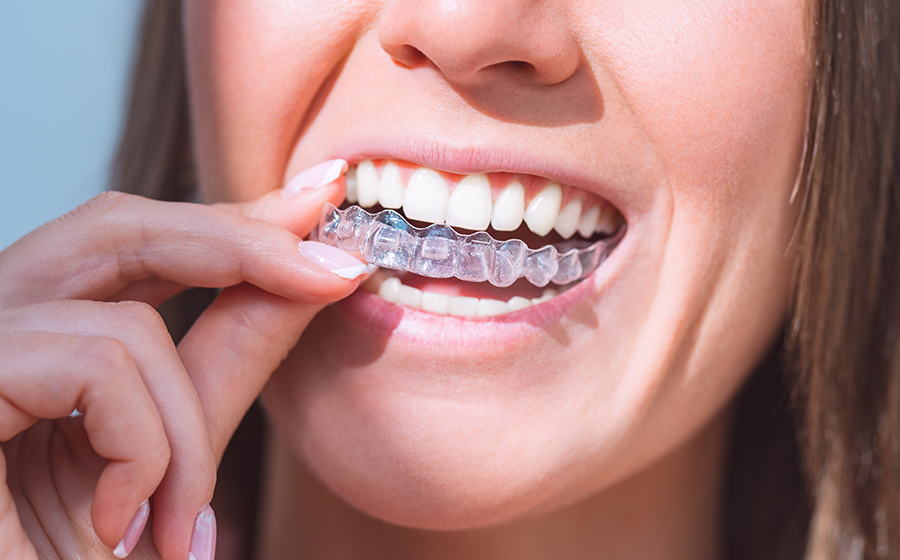
Invisalign is a clear aligner system that uses a series of custom-made, removable trays to move teeth into their desired positions. Each set of trays is worn for approximately one to two weeks before switching to the next set in the series. The aligners apply gentle, consistent pressure to gradually reposition teeth over time. Unlike traditional braces, Invisalign trays are:

  • Transparent
  • Removable
  • Smooth and comfortable
  • Free from metal brackets and wires

Because the aligners are removable, they allow greater flexibility when eating, brushing, and flossing. However, they must be worn consistently to achieve optimal results.

While Invisalign is highly effective, it is not suitable for every orthodontic case. Ideal candidates typically include individuals with:

Who is a good candidate for Invisalign?

While Invisalign is highly effective, it is not suitable for every orthodontic case. Ideal candidates typically include individuals with:

  • Mild to moderate crowding: Teeth that overlap or are slightly rotated due to limited space in the jaw, making cleaning difficult and increasing the risk of plaque buildup.
  • Gaps between teeth: Noticeable spaces caused by missing teeth, undersized teeth, or natural spacing that may affect both aesthetics and bite balance.
  • Overbite: Upper front teeth that significantly overlap the lower front teeth, which can lead to uneven wear, jaw discomfort, or speech concerns if left untreated.
  • Underbite: Lower teeth that extend past the upper front teeth, potentially causing chewing difficulties and strain on the jaw joints.
  • Crossbite: Misalignment where some upper teeth sit inside the lower teeth rather than outside, which may result in enamel wear or gum recession over time.
  • Open bite: A condition where the upper and lower teeth do not meet properly when the mouth is closed, often affecting speech clarity and chewing efficiency.

Severe misalignment or complex orthodontic issues may require traditional braces or other specialized treatments. A consultation with a qualified dental professional is necessary to determine candidacy.

Teenagers and adults are both eligible for Invisalign treatment. However, patients must be responsible enough to wear aligners for the recommended duration each day to achieve predictable and successful results.

Treatment timeline: How long does Invisalign take?

Treatment length varies depending on the complexity of the case. On average, Invisalign treatment lasts:

  • 6 to 12 months for mild cases
  • 12 to 18 months for moderate cases
  • Longer for more complex alignment needs

Some patients begin noticing visible improvements within a few weeks. However, completing the entire series of aligners is essential to achieve the final desired outcome.

Invisalign vs. traditional braces

Before starting treatment, it is helpful to compare Invisalign with traditional braces to understand which option best suits individual needs and lifestyle preferences.

Appearance

Invisalign aligners are made from clear, medical-grade plastic and fit snugly over the teeth, making them nearly invisible during everyday interactions. This discreet design makes them especially appealing to adults, working professionals, and teens who prefer a subtle orthodontic solution without visible metal components.

Comfort

Clear aligners are custom-trimmed and crafted from smooth plastic, which reduces the likelihood of gum and cheek irritation often associated with brackets and wires. While mild pressure is expected as teeth shift, many patients find Invisalign more comfortable overall compared to periodic tightening appointments required with braces.

Convenience

Aligners can be removed when eating, drinking anything other than water, brushing, and flossing. This flexibility allows for better oral hygiene maintenance and eliminates the food restrictions commonly associated with braces, such as avoiding sticky, hard, or chewy foods.

Discipline required

Traditional braces are fixed to the teeth and work continuously without patient intervention. Invisalign, however, requires consistent wear. Treatment success largely depends on a patient’s commitment to the recommended schedule.

Each option has its advantages, and a dental professional will recommend the most appropriate treatment based on the complexity of alignment issues, lifestyle factors, and long-term oral health goals.

Oral hygiene during Invisalign treatment

Maintaining proper oral hygiene is critical during treatment. Because aligners are removable, brushing and flossing remain straightforward. However, certain habits are essential:

  • Brush teeth after every meal before reinserting aligners
  • Floss daily
  • Clean aligners using a soft toothbrush
  • Avoid using hot water, which can warp the trays

Failing to clean teeth properly can trap food particles and bacteria inside the aligners, increasing the risk of cavities or gum disease.

Choosing the right provider for Invisalign treatment

Selecting the right dental provider plays a crucial role in achieving safe, predictable, and long-lasting results with clear aligner treatment. Not all practices offer the same level of expertise, technology, or patient-focused care. Taking time to evaluate the right provider ensures a smoother treatment journey and better overall outcomes.

At Modern Dental of Manhattan in New York, clear aligner treatment is guided by advanced technology, clinical expertise, and a strong patient-first philosophy. Every Invisalign case begins with a comprehensive evaluation to create a fully personalized treatment plan tailored to individual smile goals and oral health needs. Using modern digital treatment planning, our team ensures accurate, comfortable, and efficient results from start to finish.

Conclusion

Before having Invisalign treatment, it is essential to understand the level of commitment, care, and professional supervision required for successful results. Clear aligners offer a discreet and convenient alternative to traditional braces, but achieving optimal alignment depends on consistent wear, proper oral hygiene, and regular dental checkups.

Choosing Invisalign is not only about straightening teeth. It is about investing in long-term oral health, improved function, and renewed confidence. Being well-informed about treatment timelines and daily responsibilities helps set realistic expectations and ensures a smoother orthodontic journey. 

Frequently asked questions

Can Invisalign fix severe alignment issues?

Invisalign is effective for many mild to moderate orthodontic concerns. Severe or complex cases may require alternative treatments. A professional evaluation is necessary to determine eligibility.

Are there food restrictions during treatment?

There are no direct food restrictions because aligners are removable. However, teeth should be brushed before reinserting aligners to prevent staining and plaque buildup.

What happens if aligners are not worn consistently?

Inconsistent wear may delay progress and affect final results. Additional aligners or refinements may be required if treatment guidelines are not followed.

Is Invisalign suitable for teenagers?

Invisalign can be an effective option for teenagers who are responsible enough to wear aligners consistently as directed.

Does Invisalign affect speech?

A slight lisp may occur initially, but speech generally returns to normal as the mouth adapts to wearing aligners.
 

Why You Should Consider Dental Implants for a Healthy Smile

A confident smile is more than just a cosmetic feature. It plays a crucial role in overall health and quality of life. Missing teeth can affect the way you eat, speak, and interact with others. They can also lead to oral health problems and even bone loss in the jaw. If you are looking for a long-term solution, dental implants are widely recognized as the best choice for replacing missing teeth. They require minimal maintenance and can last for decades with proper care, making them a reliable investment for both oral health and overall well-being.

What are dental implants?

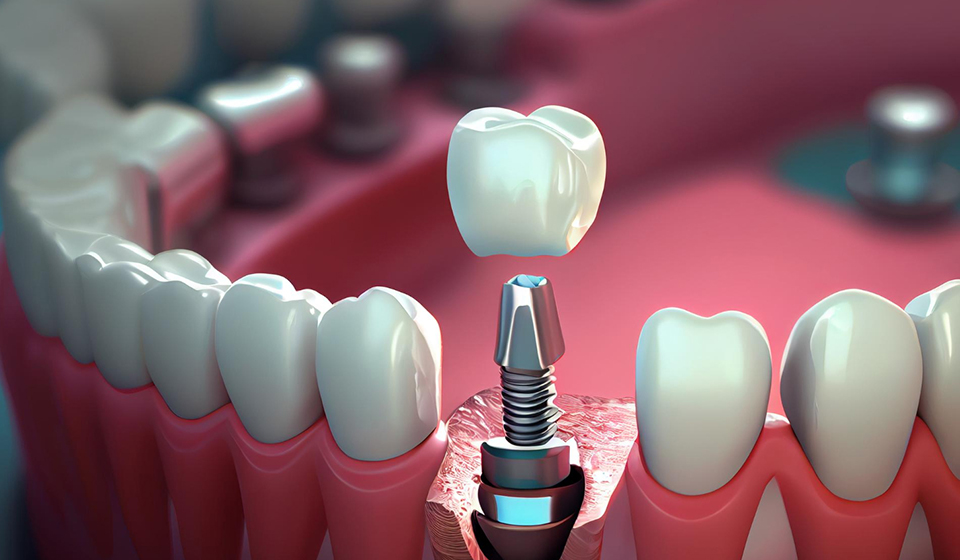
Dental implants are specially designed posts that are placed into the jawbone to serve as artificial tooth roots. Once securely anchored, they integrate with the bone through a natural process that provides a stable and strong foundation for dental restorations. Unlike traditional removable dentures, dental implants in New York are a permanent solution that offers a natural look, feel, and function. They not only restore the appearance of your smile but also help maintain jawbone health and overall oral function.

Key features of dental implants include:

  • Durability: With proper care, implants can last a lifetime.
  • Stability: Implants do not shift or slip like removable dentures.
  • Natural appearance: Customized crowns match the color and shape of your natural teeth.

The health benefits of dental implants

Dental implants offer benefits that go beyond improving the appearance of your smile. They can improve overall oral health in several ways.

Preserve jawbone health

When a tooth is missing, the jawbone in that area may begin to shrink over time due to a lack of stimulation. Dental implants act like natural tooth roots, stimulating the jawbone and preventing bone loss. Maintaining jawbone density helps preserve facial structure and reduces the risk of a sunken appearance over time.

Prevent teeth shifting

Missing teeth can cause neighboring teeth to move into the space, resulting in misalignment and bite problems. Dental implants fill the gap permanently, keeping teeth in their proper position and supporting a correct bite.

Improve oral hygiene

Unlike dental bridges, which may require altering adjacent teeth, implants do not affect neighboring teeth. This allows you to maintain your natural teeth while improving oral hygiene. Brushing and flossing around implants is simple and similar to caring for natural teeth.

Enhance digestion and nutrition

Missing teeth can make chewing certain foods difficult, limiting your diet and affecting nutrition. Dental implants restore full chewing ability, allowing you to eat a balanced diet comfortably. Proper chewing also aids digestion and nutrient absorption.

Cosmetic advantages of dental implants

In addition to health benefits, dental implants provide cosmetic advantages that can improve confidence.

  • Natural-looking smile: Crowns are designed to match natural teeth in shape and color.
  • Boost in confidence: A complete and aesthetically pleasing smile enhances self-esteem.
  • No movement: Implants remain securely in place, allowing you to speak, laugh, and smile without worry.

Long-term cost-effectiveness

Dental implants may involve a higher initial investment compared to traditional options such as dentures or dental bridges. However, when considering long term value, implants often prove to be more economical and reliable.

Other dental treatments require replacement or significant adjustments every few years due to wear, changes in jaw structure, or damage. These ongoing replacements and maintenance costs can accumulate over time. In contrast, dental implants are designed to integrate with the jawbone, creating a stable foundation that can last for decades with proper oral hygiene and regular dental checkups.

When evaluating the total cost over many years, including maintenance, replacements, and potential complications, dental implants often become the more cost-effective and durable solution. They provide long-lasting function, comfort, and confidence, making them a worthwhile investment in both oral health and overall quality of life.

Why choose a professional for dental implants?

Dental implant treatment is a highly technical procedure that requires advanced training, clinical experience, and careful planning. Choosing a qualified and experienced dental professional significantly increases the success rate of your treatment and ensures long-lasting results.

Proper implant placement involves a detailed evaluation of your oral health, jawbone density, bite alignment, and overall medical history. A professional dental team uses advanced diagnostic tools and customized treatment planning to ensure that the implant is positioned accurately and integrates successfully with the jawbone. This careful approach reduces the risk of complications and promotes faster healing.

Choosing the right dental provider is just as important as choosing the treatment itself. For patients seeking trusted and comprehensive implant care, Modern Dental of Manhattan in New York is known for delivering high-quality dental solutions with a patient-centered approach. Our team prioritizes comfort, safety, and long-term results while using modern technology to provide predictable outcomes.

Final thoughts

Dental implants offer a comprehensive solution for individuals seeking to restore both the function and appearance of their smile. Beyond filling a gap left by a missing tooth, implants help preserve jawbone health, maintain proper bite alignment, and support long-term oral stability. They provide the strength needed for comfortable chewing, the confidence to speak clearly, and the natural appearance that enhances self-esteem.

While the initial investment may be higher than other tooth replacement options, the durability, stability, and long term benefits of dental implants often make them the most reliable choice. With proper care and choosing experienced professionals further ensures accurate placement, safe procedures, and aesthetically pleasing results. 

Frequently asked questions

Are dental implants painful?

The procedure is typically performed under local anesthesia, ensuring comfort during treatment. Mild discomfort after the procedure is normal and usually manageable with prescribed medication.

Who is a good candidate for dental implants?

Candidates generally have healthy gums, adequate jawbone density, and good overall health. A professional evaluation is necessary to determine eligibility and create a customized treatment plan.

How long do dental implants last?

With proper oral hygiene and regular dental checkups, dental implants can last for decades and, in many cases, a lifetime.

How should dental implants be cared for?

Dental implants should be brushed and flossed daily, just like natural teeth. Routine dental visits and professional cleanings are essential to maintain long-term success.

Are dental implants better than dentures?

Dental implants offer greater stability, improved chewing ability, and long-term durability compared to removable dentures. They also help preserve jawbone health, which dentures cannot provide.

Step-by-Step Complete Procedure: What Happens During a Root Canal

A root canal is one of the most effective treatments for saving a damaged or infected tooth. Many patients feel anxious when they hear the term, but the procedure is designed to be comfortable, precise, and predictable. Root Canal in New York offers advanced technology to minimize discomfort and maximize success. Understanding the steps involved can help you feel prepared and confident. From the initial examination to the final restoration, each stage of a root canal is carefully planned. The goal is to remove infection, protect the tooth structure, and restore full function. With proper care, a treated tooth can last a lifetime.

What Is a Root Canal?

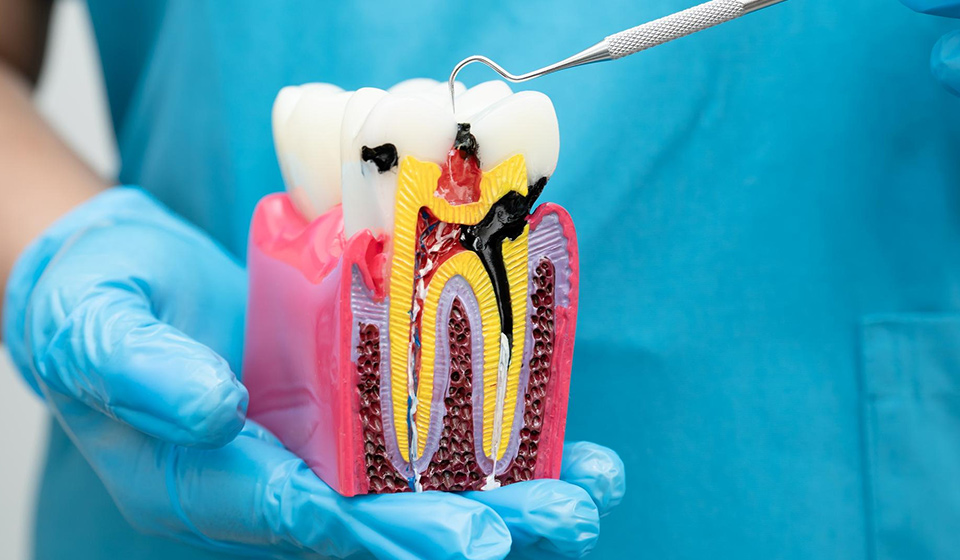
A root canal is a dental procedure that removes infected or inflamed pulp inside a tooth. The pulp contains nerves, blood vessels, and connective tissue, and once infected, it can cause severe pain or abscess formation. Root Canal in New York targets these issues, preventing further damage to surrounding teeth and bone.

Common reasons for a root canal include:

  • Deep decay reaching the pulp
  • Cracked or fractured teeth
  • Severe tooth trauma
  • Repeated dental procedures on the same tooth

Root canal treatment is often misunderstood, but modern techniques make it efficient and largely painless.

Initial Examination and Diagnosis

The first step in a root canal is a comprehensive dental evaluation. This ensures that the procedure is truly necessary and that no other alternatives can address the problem.

During the evaluation:

  • A detailed dental history is taken.
  • Symptoms like pain, swelling, or sensitivity are assessed.
  • X-rays are used to examine tooth roots and surrounding bone.
  • The extent of infection or decay is determined.

Accurate diagnosis ensures the root canal in Manhattan is tailored to your specific needs and provides the best possible outcome.

Preparing for the Root Canal Procedure

Once the diagnosis is complete, the tooth and surrounding area are prepared for treatment.

Preparation typically includes:

  • Administering local anesthesia to numb the tooth and gum
  • Placing a rubber dam around the tooth to keep it dry and free from saliva
  • Cleaning the area to maintain a sterile environment

These steps minimize discomfort and reduce the risk of infection during the procedure.

Accessing the Tooth Pulp

The next step involves creating an access point to reach the infected pulp inside the tooth.

Key actions during this stage:

  • A small opening is made in the crown of the tooth.
  • The dentist carefully identifies the pulp chamber and root canals.
  • Tiny instruments are used to remove the diseased tissue.

By accessing the pulp directly, the dentist ensures that all infected material is eliminated, reducing the risk of future complications.

Cleaning and Shaping the Root Canals

Once the pulp is removed, the canals must be thoroughly cleaned and shaped. This is a critical stage that ensures the tooth is free from bacteria and prepared for filling.

During this step:

  • The canals are cleaned with specialized files.
  • Irrigating solutions flush out debris and bacteria.
  • Canals are shaped to allow a precise fit for the filling material.

This stage requires meticulous attention to detail, as even small areas of infection left behind can compromise the procedure’s success.

Filling the Canals

After cleaning, the canals are filled to seal the tooth and prevent reinfection.

Key points include:

  • A biocompatible material called gutta-percha is commonly used.
  • The material is placed along the entire length of the root canals.
  • A temporary or permanent filling seals the access opening.

Sealing the canals is essential to protect the tooth from future bacterial invasion.

Placing the Restoration

In most cases, a root canal-treated tooth requires a crown or other restoration to restore strength and functionality.

Restoration steps typically involve:

  • Preparing the tooth for a crown if necessary
  • Taking impressions for a custom-fit crown
  • Placing a temporary crown while the permanent one is fabricated
  • Securing the permanent crown to restore chewing ability and appearance

This final step ensures the tooth blends naturally with surrounding teeth and functions normally.

Recovery After a Root Canal

Recovery from a root canal is usually straightforward. Some mild discomfort or sensitivity may occur for a few days, but it can be managed with over-the-counter pain medication.

Tips for a smooth recovery:

  • Avoid chewing hard foods on the treated tooth initially.
  • Maintain excellent oral hygiene with brushing and flossing
  • Attend follow-up visits to monitor healing and crown placement
  • Contact your dentist if swelling, severe pain, or unusual symptoms occur.

Following these guidelines helps maintain the longevity of the treated tooth.

Benefits of a Root Canal:

Root canal treatment offers several advantages beyond pain relief:

  • Preserves natural teeth and avoids extraction
  • Restores normal chewing and biting function
  • Eliminates the source of infection
  • Enhances overall oral health
  • Prevents bone loss in the jaw

A properly treated tooth can last a lifetime, making a root canal an excellent investment in dental health.

Conclusion

Root canal treatment is a predictable and highly effective solution for infected or damaged teeth. From diagnosis to final restoration, each step is carefully executed to ensure comfort, functionality, and long-term success. Understanding the full procedure empowers patients to make informed decisions and approach treatment with confidence. At Modern Dental of Manhattan in New York, every root canal is performed with advanced techniques, meticulous planning, and patient-centered care, ensuring you can maintain a healthy and pain-free smile for years to come.

Questions to Ask Before Getting Cosmetic Dental Work

A confident smile can change how you look, how you feel, and how others respond to you. Today’s cosmetic procedures are faster, more comfortable, and more precise than ever before. With the right planning, results can look completely natural and last for years. Cosmetic dentistry in New York offers advanced options for patients who want to improve color, shape, spacing, and overall smile balance. But great outcomes don’t happen by chance, they come from asking the right questions before treatment begins. An informed patient almost always gets a better cosmetic result and a smoother experience.

Cosmetic dental treatment is both a science and an art. That means your decisions should be based on more than just price or before-and-after photos. Below are the most important questions you should ask before committing to any cosmetic dental procedure.

Why Planning Matters in Cosmetic Dentistry?

Cosmetic dentistry is not a one-size-fits-all service. Every smile has unique proportions, bite patterns, enamel thickness, and facial symmetry. A proper evaluation helps avoid results that look artificial or require early replacement.

Before starting any cosmetic dental work, you should understand:

  • The condition of your current teeth and gums
  • The long-term durability of the treatment
  • Whether your bite supports cosmetic changes
  • How the procedure affects overall oral health
  • What maintenance will be required

Cosmetic dentistry in New York is most successful when it is built on a strong diagnostic foundation rather than rushed decision-making.

What Problem Is Cosmetic Dentistry Solving for You?

Not all cosmetic concerns are the same. Some are purely aesthetic, while others overlap with function and health. Ask your dentist to clearly define the exact problem being addressed.

Examples include:

  • Tooth discoloration resistant to whitening
  • Uneven tooth edges or worn enamel
  • Gaps or spacing issues
  • Mild misalignment
  • Chipped or fractured teeth
  • Old dental work that looks unnatural

Understanding the problem helps you compare treatment options logically instead of emotionally. Cosmetic dentistry in New York often provides multiple ways to solve the same issue—veneers, bonding, whitening, or orthodontic alignment—but each comes with different tradeoffs.

Which Cosmetic Dentistry Option Fits Your Goals Best?

Different cosmetic treatments achieve different outcomes. Ask for a comparison rather than a single recommendation.

Common options may include:

  • Porcelain veneers
  • Cosmetic bonding
  • Professional whitening
  • Clear aligners
  • Ceramic crowns
  • Gum contouring

Ask your provider to explain:

  • Expected longevity
  • Level of tooth preparation required
  • Reversibility
  • Maintenance needs
  • Future repair options

This analytical approach prevents regret and ensures the selected cosmetic dentistry treatment in New York matches your priorities.

How Long Will My Cosmetic Dental Work Last?

Cosmetic procedures are an investment. Longevity depends on material, habits, bite forces, and oral hygiene.

Typical lifespan ranges:

  • Bonding: 3–7 years
  • Whitening: 1–3 years (maintenance dependent)
  • Veneers: 10–15+ years
  • Ceramic crowns: 12–20 years

Ask what factors could shorten lifespan, such as:

  • Grinding
  • Acidic diets
  • Smoking
  • Poor oral hygiene
  • Skipping dental visits

Cosmetic dentistry in New York should come with realistic durability expectations—not vague promises.

What Is the Full Treatment Timeline for Cosmetic Dentistry?

Some cosmetic treatments are completed in one visit, while others take months. Clarify the full schedule before committing.

Ask about:

  • Number of appointments
  • Healing periods
  • Lab fabrication time
  • Temporary restorations
  • Adjustment visits

Knowing the timeline helps you plan work, travel, and events. Cosmetic dentistry in New York often allows staged treatment so improvements can happen progressively.

What Maintenance Does Cosmetic Dentistry Require?

Cosmetic dental work needs ongoing care to maintain its appearance. Ask for a maintenance plan specific to your procedure.

Maintenance may include:

  • Regular dental visits
  • Night guards
  • Whitening touch-ups
  • Replacement timelines
  • Hygiene product recommendations

A strong maintenance strategy protects your cosmetic investment and keeps your smile looking consistent year after year.

What Risks or Limitations Should You Know About?

Every dental procedure has limitations. Transparent providers discuss them openly.

Ask about:

  • Possible sensitivity
  • Color matching limits
  • Gum response variability
  • Repair scenarios
  • Replacement costs

Cosmetic dentistry in New York should be presented with both benefits and constraints so your decision is grounded in facts, not hype.

Making a Smart Decision About Cosmetic Dentistry in New York

The best cosmetic outcomes happen when patients ask sharp, practical questions before treatment starts. A smile upgrade should be personalized, structurally sound, and visually natural, not rushed or generic. When diagnostics, materials, bite analysis, and digital planning come together, cosmetic dentistry becomes highly predictable and deeply rewarding.

At Modern Dental of Manhattan in New York, cosmetic treatment planning is approached with precision, technology, and individualized analysis so patients can move forward with clarity and confidence.

Emergency Dentist Near You: When to Call and What to Expect

Dental emergencies rarely happen at convenient times. A sudden toothache, broken tooth, or swelling can quickly turn from uncomfortable to unbearable. Acting fast can make the difference between saving and losing a tooth. Emergency Dentistry in New York provides rapid diagnosis and treatment when time truly matters. Patients who understand when to call and what to expect are more likely to protect their oral health and avoid complications. Emergency dental care is not just about pain relief; it is about stabilizing conditions and preventing long-term damage. Knowing the process removes panic and replaces it with a clear action plan.

What is an emergency dentistry situation?

Many people delay treatment because they are unsure whether their situation qualifies as an emergency. From a clinical standpoint, an emergency is any dental condition involving severe pain, active infection, uncontrolled bleeding, or structural damage.

Situations that typically require emergency dentistry in New York include:

  • Severe, persistent tooth pain
  • Knocked-out tooth
  • Cracked or fractured tooth
  • Facial or gum swelling
  • Dental abscess or infection
  • Uncontrolled oral bleeding
  • Lost crown with exposed nerve pain
  • Trauma from accidents or sports

If pain is intense or symptoms are rapidly worsening, it should be treated as urgent.

Emergency Dentistry vs. Urgent Dental Care

Emergency Dentistry Severity Levels

Not all urgent dental problems are true emergencies, but they still need quick attention. Understanding severity helps patients respond appropriately.

True emergencies usually involve:

  • Risk of tooth loss
  • Spreading infection
  • Severe inflammation
  • Trauma with structural damage

Urgent (but not life-threatening) issues include:

  • Minor chipped tooth
  • Lost filling without pain
  • Mild gum irritation
  • Food trapped under gums

Emergency dentistry in New York clinics is equipped to triage and treat both categories efficiently.

When to Call an Emergency Dentist Immediately

Emergency Dentistry Warning Signs

Certain symptoms indicate you should call right away rather than wait and watch. Dental infections and trauma can escalate quickly due to the mouth’s rich blood supply.

Call immediately if you experience:

  • Throbbing pain that prevents sleep
  • Swelling in the face or jaw
  • Fever with dental pain
  • Pus or bad taste near a tooth
  • Difficulty opening your mouth
  • A tooth that has been knocked out

Time-sensitive response dramatically improves outcomes in emergency dentistry cases.

What to Expect During an Emergency Dentistry Visit

Emergency Dentistry Exam and Imaging

Emergency visits are focused, fast, and problem-oriented. The goal is stabilization first, full restoration second. Dentists perform targeted exams and often take digital X-rays to identify hidden damage.

An emergency dentistry appointment may include:

  • Focused oral exam
  • Digital imaging
  • Infection assessment
  • Bite testing
  • Nerve vitality checks

This analytical approach ensures the root cause is treated—not just the symptom.

Immediate Treatments in Emergency Dentistry

Emergency Dentistry Stabilization Procedures

Treatment depends on the diagnosis. Emergency dentistry focuses on rapid stabilization and pain control.

Common emergency treatments include:

  • Infection drainage
  • Emergency root canal
  • Temporary crown placement
  • Tooth splinting
  • Pain-relief medication protocols
  • Protective restorations

The objective is to stop progression and protect the tooth or tissue.

What to Do Before You Reach the Emergency Dentistry Office

Emergency Dentistry First-Aid Steps

Immediate self-care can reduce damage while you travel to the dental office. These steps are not substitutes for treatment—they are temporary stabilizers.

If a tooth is knocked out:

  • Pick it up by the crown, not the root.
  • Rinse gently with water
  • Place in milk or saliva
  • Do not scrub.
  • Seek care within 60 minutes

If swelling is present:

  • Apply a cold compress
  • Stay upright
  • Avoid heat

If pain is severe:

  • Use over-the-counter pain relief
  • Avoid placing aspirin directly on gums.

These measures support better emergency dentistry outcomes.

How Emergency Dentistry Handles Dental Infections

Emergency Dentistry and Abscess Control

Dental infections are among the most dangerous oral emergencies because they can spread beyond the tooth. Emergency dentistry focuses on pressure relief and bacterial control.

Infection treatment may include:

  • Drainage procedures
  • Antibiotic therapy
  • Root canal access
  • Temporary sealing

Delaying infection care increases risk—this is one of the most time-critical emergency dentistry scenarios.

Pain Management in Emergency Dentistry

Emergency Dentistry Comfort Protocols

Pain control is a central goal of emergency dentistry. Modern techniques allow rapid relief through targeted anesthesia and anti-inflammatory strategies.

Pain control methods include:

  • Local anesthetics
  • Nerve blocks
  • Anti-inflammatory medications
  • Pressure relief treatment

Relief is often faster than patients expect.

Conclusion

Emergency dental care should be accessible, efficient, and clinically precise. Patients should not feel uncertain about when to seek help or what will happen when they arrive. Emergency dentistry services in New York are designed to respond quickly, diagnose accurately, and stabilize effectively. Whether the issue is trauma, infection, or severe pain, prompt care protects both teeth and overall health. If you ever need urgent dental support, a qualified Manhattan dentist with emergency capabilities can make the difference between escalation and resolution. At Modern Dental of Manhattan in New York, emergency dental care is delivered with speed, clinical precision, and patient-centered focus, exactly when it matters most.

What Happens If You Avoid Root Canal Treatment?

Tooth pain is easy to ignore at first, especially when it comes and goes. Many people assume the discomfort will disappear on its own or can be managed with painkillers. However, when an infection reaches the inner part, or root canal, of a tooth, delaying care can lead to serious consequences, especially if you postpone a root canal in New York, where early intervention is widely available. Avoiding treatment does not stop the problem; it allows it to grow. From an analytical perspective, understanding what truly happens when root canal treatment is delayed helps patients make informed, confident decisions. The right information can turn fear into action and protect long-term oral health.

Understanding Root Canals and Why They’re Recommended

A root canal is a dental procedure designed to remove infected or damaged pulp from inside a tooth. The pulp contains nerves and blood vessels, and once it becomes infected, the body cannot heal it on its own. Instead, bacteria continue to spread deeper into the tooth and surrounding bone.

Root canal treatment cleans the infection, seals the tooth, and preserves the natural structure. Analytically, it is a preventive solution that stops minor issues from turning into major oral and systemic problems.

What Causes the Need for a Root Canal?

Several issues can lead to pulp infection, including:

  • Deep cavities left untreated
  • Cracked or chipped teeth
  • Repeated dental procedures on the same tooth
  • Trauma to the tooth

When these factors are ignored, infection becomes inevitable.

Early Signs You Shouldn’t Ignore

Many patients delay treatment because symptoms start mildly. Unfortunately, early signs are the body’s warning system.

Common symptoms include:

  • Persistent toothache
  • Sensitivity to hot or cold
  • Swollen or tender gums
  • Darkening of the tooth

Ignoring these signs often leads patients to seek emergency care later, rather than planned treatment such as a Manhattan root canal.

What Happens If You Avoid Root Canal Treatment?

From an analytical standpoint, avoiding root canal treatment allows bacteria to progress unchecked. The infection does not remain confined to the tooth.

Infection Spreads Beyond the Tooth

Once the pulp is infected, bacteria move through the root canals into the jawbone. This can result in abscess formation, bone loss, and facial swelling. At this stage, pain often becomes severe and constant.

Delaying care increases the likelihood that simple treatment options will no longer be effective.

Increased Risk of Tooth Loss

Avoiding root canal treatment significantly raises the risk of losing the tooth entirely. Extraction becomes the only option when the tooth structure is too damaged to save.

Patients who delay often regret not choosing a root canal in Manhattan earlier, as preserving natural teeth is always preferable.

Higher Treatment Costs Over Time

Postponing treatment often leads to more complex procedures, including surgery, tooth replacement, or implants. Analytically, early root canal treatment is far more cost-effective than dealing with advanced infection.

Myths That Cause Patients to Delay Root Canal

Fear is often driven by outdated or incorrect information. Addressing myths is key to helping patients move forward.

Myth: Root Canal Treatment Is Extremely Painful

Reality: Modern techniques make root canal treatment no more uncomfortable than a standard filling.

Myth: It’s Better to Pull the Tooth

Reality: Preserving the natural tooth maintains proper bite alignment and jaw health.

Myth: Antibiotics Can Replace Root Canal

Reality: Antibiotics may temporarily reduce symptoms but cannot eliminate infection inside the tooth.

Root Canal and Overall Health Risks

Avoiding root canal treatment doesn’t just affect your mouth. Oral infections can impact overall health.

Possible complications include:

  • Spread of infection to other areas
  • Increased inflammation in the body
  • Complications for individuals with weakened immune systems

Analytically, treating the source of infection protects both oral and systemic health.

What to Expect at Your Root Canal Visit

Understanding the process helps ease anxiety and builds trust in treatment.

Diagnosis and Imaging

The visit begins with a thorough exam and imaging to assess the extent of infection. This step ensures the treatment plan is precise and effective.

Cleaning and Sealing the Tooth

During the procedure, infected pulp is removed, the canals are cleaned, and the space is sealed to prevent reinfection. Most patients are surprised by how smooth the process feels.

Many who experience a Manhattan root canal report immediate relief once pressure and infection are removed.

Restoration After Root Canal

In most cases, a crown is placed to protect the treated tooth. This restores strength, function, and appearance.

How Root Canals Preserve Natural Teeth

Root canal treatment allows patients to keep their natural teeth instead of resorting to extraction. Natural teeth support proper chewing, speech, and jaw alignment.

Analytically, preserving the tooth maintains balance in the bite and prevents shifting of surrounding teeth.

Conclusion

Avoiding root canal treatment allows infection to spread, pain to intensify, and long-term damage to occur. Understanding the realities behind the myths helps patients see root canal treatment as a solution, not something to fear. Timely care preserves natural teeth, protects overall health, and prevents unnecessary complications. At Modern Dental of Manhattan in New York, access to informed, compassionate care ensures patients can address root canal concerns early and confidently, protecting their smiles for years to come.

What Are Dental Implants and How Do They Work?

Dental implants have transformed the way missing teeth are replaced, offering a long-term solution that looks, feels, and functions like natural teeth. They are designed to restore not only your smile but also your ability to chew, speak, and live confidently. Many patients exploring dental implants in New York want clear, trustworthy information before committing to treatment. Understanding how dental implants work removes fear, clears up myths, and sets realistic expectations. Modern implant dentistry combines advanced technology with proven techniques to deliver predictable results. When patients feel informed, the decision to move forward becomes far easier and more empowering.

Understanding Dental Implants and Their Purpose

Dental implants are artificial tooth roots, typically made from biocompatible titanium, that are surgically placed into the jawbone. From an analytical perspective, they function as a stable foundation for replacement teeth, such as crowns, bridges, or dentures. Unlike removable options, dental implants integrate with the bone, creating unmatched stability.

The primary purpose of dental implants is to replace missing teeth while preserving jawbone health. When a tooth is lost, the underlying bone begins to shrink over time. Dental implants stimulate the bone, helping maintain facial structure and oral function.

How Do Dental Implants Work Inside the Jaw?

Dental implants work through a biological process known as osseointegration. After placement, the implant gradually fuses with the jawbone. This creates a strong, secure base that mimics the function of a natural tooth root.

From an analytical standpoint, this fusion is what sets implants apart from other tooth replacement options. The implant does not rely on neighboring teeth for support, reducing long-term strain and preserving overall oral health.

The Three Main Parts of Dental Implants

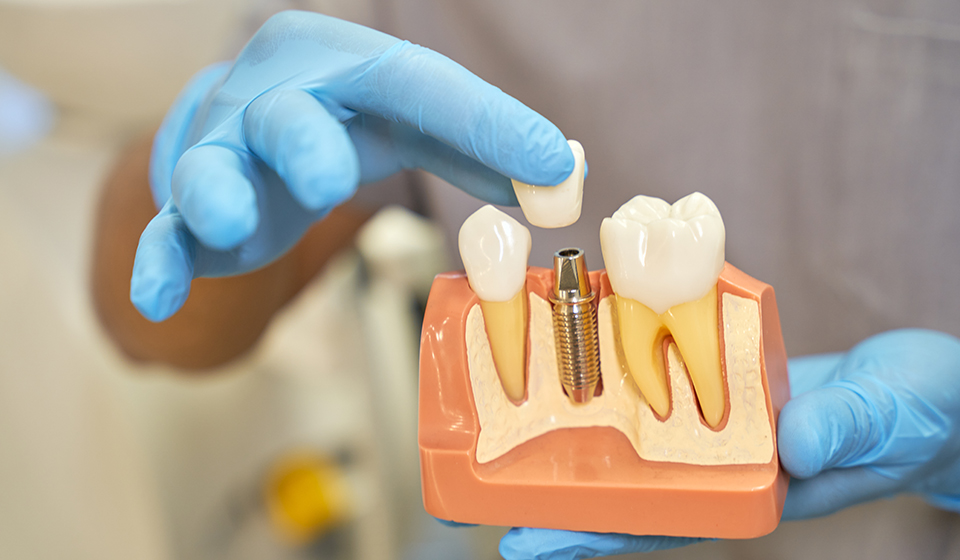
Dental implants consist of three essential components:

  • The implant post, which replaces the tooth root
  • The abutment, which connects the implant to the crown
  • The crown, which restores the visible portion of the tooth

Each component plays a critical role in strength, comfort, and aesthetics.

Common Myths About Dental Implants

Misinformation often prevents patients from considering dental implants. Clearing up these myths is an important step in patient education.

Myth: Dental Implants Are Painful

Reality: With modern techniques and anesthesia, implant placement is typically more comfortable than expected. Most patients report mild discomfort that resolves quickly.

Myth: Dental Implants Are Only for Older Adults

Reality: Dental implants are suitable for adults of many ages, provided they have healthy gums and adequate bone structure.

Myth: Dental Implants Look Unnatural

Reality: Implant-supported crowns are designed to match natural teeth in shape, color, and function.

Step-by-Step Dental Implant Process

Understanding what to expect at each stage helps patients feel confident and prepared.

Initial Consultation and Evaluation

The process begins with a comprehensive exam, including imaging to assess bone density and oral health. Dentists determine whether dental implants are appropriate and create a customized treatment plan.

This evaluation often introduces patients to options such as Manhattan Dental Implants, helping them understand how implants fit into their long-term oral health goals.

Implant Placement

The implant post is placed into the jawbone during a minor surgical procedure. Precision is essential at this stage to ensure proper alignment and stability.

After placement, a healing period allows the implant to integrate with the bone. This phase is critical for long-term success.

Restoration and Final Results

Once healing is complete, the abutment and crown are attached. The final restoration is carefully designed to blend seamlessly with surrounding teeth.

Patients seeking dental implants in Manhattan often appreciate how natural and secure the final result feels.

What to Expect During Recovery

Recovery after implant placement is usually straightforward. Mild swelling or soreness may occur but typically subsides within a few days.

Helpful recovery tips include:

  • Following postoperative instructions
  • Maintaining good oral hygiene
  • Eating soft foods initially
  • Attending follow-up appointments

From an analytical perspective, proper recovery care significantly increases implant success rates.

Who Is a Good Candidate for Dental Implants?

Dental implants are suitable for many patients, but certain factors influence candidacy. Healthy gums, sufficient bone density, and overall good health are key considerations.

Even patients with bone loss may qualify with additional procedures. A thorough evaluation ensures implants are placed safely and effectively.

Caring for Dental Implants

Caring for dental implants is similar to caring for natural teeth. Consistent hygiene and routine dental visits are essential.

Recommended care practices include:

  • Brushing twice daily
  • Flossing around implant-supported teeth
  • Scheduling regular professional cleanings
  • Avoiding habits like teeth grinding

Analytically, proper maintenance protects both the implant and the surrounding tissues.

Conclusion

Dental implants offer a reliable, natural-looking solution for missing teeth by restoring strength, stability, and confidence. Understanding how they work and what to expect helps patients move forward without hesitation. When placed with precision and supported by proper care, dental implants deliver lasting results that enhance everyday life. At Modern Dental of Manhattan in New York, this commitment to accessible, high-quality implant care ensures patients receive the knowledge, comfort, and results they deserve.

Step-by-Step Guide to the Dental Crown Process

A dental crown is one of the most reliable ways to restore strength, function, and appearance to a damaged tooth. It is commonly recommended when a tooth is cracked, weakened, heavily filled, or cosmetically compromised. Many patients researching dental crowns in New York want clear, honest information about what really happens before, during, and after the procedure. Understanding the process removes uncertainty and helps patients feel confident about moving forward. Modern dentistry has made dental crowns more comfortable, precise, and natural-looking than ever before. When patients know what to expect, the experience becomes smooth, predictable, and reassuring.

Understanding the Purpose of a Dental Crown

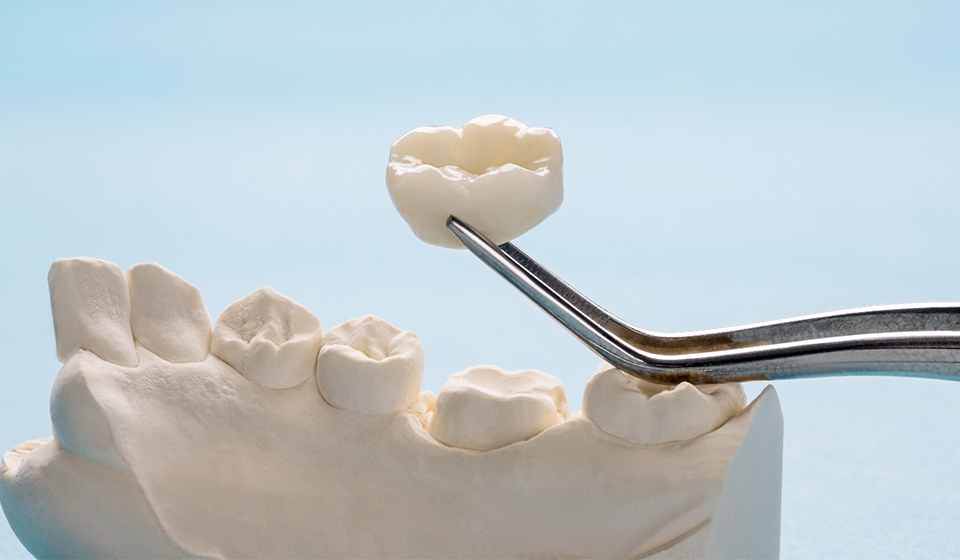
A dental crown is a custom-made cap that fully covers a tooth to restore its shape, size, and strength. From an analytical perspective, crowns are designed not just to improve appearance but to protect teeth from further damage and preserve oral function. They distribute biting forces evenly, preventing fractures and long-term complications.

Dental crowns are commonly used for:

  • Teeth weakened by decay
  • Cracked or broken teeth
  • Teeth after root canal treatment
  • Large or failing fillings
  • Cosmetic improvements

Dental Crown Myths vs. Reality

Many patients delay treatment due to common misconceptions. Clearing these myths helps people make informed decisions.

Myth: Dental Crowns Are Only Cosmetic

Reality: While crowns enhance appearance, their primary purpose is protection and function. They strengthen damaged teeth and prevent future issues.

Myth: The Procedure Is Painful

Reality: Modern techniques and local anesthesia make the dental crown process comfortable and well-tolerated.

Myth: Crowns Look Fake

Reality: Today’s materials are designed to blend seamlessly with natural teeth, making crowns virtually indistinguishable.

Step One: Initial Consultation and Examination

The dental crown process begins with a comprehensive evaluation. Dentists examine the affected tooth, surrounding gums, and overall bite. Digital X-rays or scans may be used to assess the internal structure.

From an analytical standpoint, this step ensures the crown is necessary and appropriate. Dentists also discuss material options and expected outcomes so patients understand every aspect of treatment. This is often when patients first hear detailed information about a dental crown and how it fits into a long-term oral health plan.

Step Two: Preparing the Tooth for a Dental Crown

Once the decision is made, the tooth is carefully prepared. Any decay or damaged structure is removed, and the tooth is reshaped to allow the crown to fit securely.

Preparation is precise and conservative. Dentists aim to preserve as much healthy tooth structure as possible while creating a strong foundation. Local anesthesia ensures comfort throughout this step.

Step Three: Digital Impressions and Temporary Crown

After preparation, impressions are taken to design the custom crown. Many practices now use digital scanning, which improves accuracy and comfort.

While the permanent crown is being crafted, a temporary crown is placed. This temporary restoration protects the tooth and maintains appearance and function. Patients receiving a dental crown often appreciate that temporary crowns allow them to continue daily activities without disruption.

Step Four: Crafting the Custom Dental Crown

The permanent crown is created using advanced materials such as porcelain, ceramic, or zirconia. These materials are chosen based on strength, durability, and aesthetic needs. From an analytical view, customization is key. The crown is designed to match the color, shape, and size of surrounding teeth, ensuring harmony within the smile.

Step Five: Placement of the Permanent Dental Crown

Once the crown is ready, the temporary crown is removed, and the permanent one is carefully placed. Dentists check fit, bite alignment, and comfort before permanently bonding it.

Adjustments are made as needed to ensure a natural feel. When done correctly, the crown should feel like a natural extension of the tooth. This step often marks the completion of the dental crown process, delivering immediate improvement in both function and appearance.

What to Expect After Your Dental Crown Visit

After placement, mild sensitivity may occur, but it typically resolves quickly. Patients can return to normal activities the same day.

Helpful post-care tips include:

  • Avoiding hard or sticky foods for the first 24 hours
  • Maintaining good oral hygiene
  • Attending routine dental checkups
  • Reporting any discomfort or bite issues

From an analytical standpoint, early attention to minor concerns ensures long-term success.

Longevity and Care of a Dental Crown

A well-maintained dental crown can last many years. Longevity depends on oral hygiene, biting habits, and regular dental visits.

Patients who invest in proper care protect both the crown and the natural tooth underneath. Routine cleanings and examinations help detect wear or issues early. Those choosing a dental crown benefit most when crowns are paired with preventive care and consistent follow-up.

How Dental Crowns Support Long-Term Oral Health

Dental crowns do more than restore a single tooth. They help maintain proper bite alignment, prevent shifting, and reduce strain on surrounding teeth. From an analytical perspective, crowns play a preventive role by stopping minor damage from becoming major dental problems.

Conclusion

Understanding the step-by-step dental crown process empowers patients to make informed decisions without fear or confusion. When myths are clarified and expectations are clear, treatment becomes a positive experience rather than a stressful one. Dental crowns restore strength, protect natural teeth, and enhance smiles with precision and care. At Modern Dental of Manhattan in New York, this patient-focused approach ensures that every dental crown experience is comfortable, transparent, and designed to deliver lasting oral health and confidence.


Top 10 Most Common Dental Emergencies & How to Handle Them

A dental emergency can happen when you least expect it. Whether it’s sudden pain, trauma, or infection, immediate care is crucial for protecting your smile. Many patients don’t realize how quickly dental problems can worsen and lead to long-term damage. When you’re dealing with dental emergencies in New York, it’s important to know what to do before you reach the dental office. The right response can make the difference between saving a tooth and losing it. At our Manhattan practice, we are here to help you handle the unexpected. With knowledge and prompt action, you can stop discomfort and avoid complications.

Understanding Dental Emergencies

Dental issues can escalate faster than most people think. Pain and swelling are your body’s warning signals that something is wrong. Responding properly can help reduce infection, protect your oral health, and provide immediate relief.

Common signs of dental emergencies include:

  • Persistent or severe toothache
  • Traumatic injury to the teeth or mouth
  • Broken or knocked-out tooth
  • Bleeding that won’t stop
  • Swollen gums or face
  • Lost filling or crown

If you’re experiencing any of these symptoms, contact a dentist immediately. Dental emergencies should never be ignored.

Top 10 Most Common Situations & What to Do

Here are the most common types of dental emergencies, along with steps to protect your teeth until you receive professional care.

Severe Toothache

Often caused by infection, decay, or impacted food.
What to do:

  • Rinse with warm saltwater
  • Avoid placing aspirin on the tooth.
  • Call your dentist ASAP.

If your pain increases, it may be an urgent case requiring treatment like a root canal.

Knocked-Out Tooth

A knocked-out tooth requires fast action—ideally within 30 minutes.
What to do:

  • Pick up the tooth by the crown only.
  • Place it in milk or your saliva.
  • Seek immediate care

Quick response improves the chances of saving the natural tooth.

Chipped or Broken Tooth

This can be caused by biting down on hard foods or accidents.
What to do:

  • Save any broken pieces
  • Apply a cold compress
  • Avoid chewing on that side.

Repair options may include bonding, veneers, or dental crowns.

Lost Crown or Filling

When a restoration falls out, the exposed tooth feels sensitive.
What to do:

  • Avoid sticky or hard foods
  • Use temporary dental cement if available
  • Contact your dentist for a replacement.

A prompt solution protects the tooth from further damage.

Abscessed Tooth

An abscess is a serious infection that can spread quickly.
What to do:

  • Rinse with saltwater
  • Do not pop the abscess.
  • Get urgent dental treatment

Abscesses are among the most dangerous dental emergencies in Manhattan and require professional care right away.

Oral Bleeding That Won’t Stop

Injury, gum disease, or post-extraction issues may cause sustained bleeding.
What to do:

  • Apply pressure with clean gauze
  • Avoid mouth rinsing
  • See a dentist if bleeding continues more than 15 minutes.

This is a sign that immediate professional help is needed.

Loose or Dislodged Tooth

Trauma or infection may cause teeth to shift.
What to do:

  • Do not force the tooth back into place.
  • Keep your mouth clean.
  • Seek emergency dental care

Early intervention may help save the tooth.

Broken Braces or Wires

Sharp wires can injure cheeks, gums, or tongue.
What to do:

  • Push the wire into a more comfortable position.
  • Use orthodontic wax if available
  • Avoid cutting the wire.

Orthodontic-related Manhattan dental emergencies should be treated promptly to prevent injury.

Soft Tissue Injury (Gums, Lips, Cheeks, Tongue)

Common during sports or accidental bites.
What to do:

  • Clean the area gently.
  • Apply pressure to stop bleeding
  • Use an ice pack to reduce swelling.

If bleeding is severe, seek immediate help.

Sudden or Severe Jaw Pain

This may indicate TMJ disorder, trauma, or infection.
What to do:

  • Apply a cold compress
  • Take recommended pain relievers
  • Get professionally evaluated

Jaw pain should never be overlooked.

What to Expect During an Emergency Dental Visit

Once you arrive at the dental office, the initial goal is to relieve pain and stabilize your condition.

You can expect:

  • A quick assessment of your symptoms
  • Digital X-rays to evaluate hidden issues
  • Treatment to stop infection or bleeding
  • Temporary or permanent restoration
  • Guidance for continued care at home

Your dentist will also address underlying causes to prevent future emergencies.

Preventing Dental Emergencies:

While accidents can’t always be avoided, simple prevention helps protect your teeth:

  • Maintain strong oral hygiene
  • Wear a mouthguard during sports.
  • Avoid chewing ice or hard objects.
  • Get routine dental checkups and cleanings
  • Treat cavities and gum disease early

Minor dental issues can quickly escalate if ignored—prevention is always better than emergency treatment.

Conclusion

Dental emergencies demand fast, professional attention to protect your health and save your teeth. Having a plan and knowing what steps to take can help you stay calm and in control. If you are experiencing any form of dental pain, injury, or infection, don’t delay—urgent care can prevent complications and restore comfort. Contact the trusted team at Modern Dental of Manhattan in New York whenever you need immediate assistance, and let experts protect your smile with swift, compassionate care.

How Cosmetic Dentistry Can Change Your Life

A confident smile can open doors in both personal and professional situations. When you feel proud of your teeth, you’re more likely to speak up, laugh freely, and show your true personality. This is why more people are seeking cosmetic dentistry in New York to enhance their appearance while improving their oral health. At our Manhattan office, we believe that everyone deserves a smile that reflects their best self. Cosmetic dentistry is no longer viewed as a luxury; it’s considered an essential part of self-care. From whitening to complete smile transformations, the right treatment plan can truly change your life.

What Cosmetic Dentistry Can Do for Your Smile

Cosmetic dentistry focuses on improving the look of your teeth, gums, and smile. But the benefits go far beyond appearance. Patients often experience a major boost in emotional well-being and confidence. When someone feels insecure about their teeth, whether because of stains, chips, gaps, or misalignment, those insecurities can affect every interaction.

With today’s modern technology and techniques, cosmetic dentistry makes it possible to achieve dramatic improvements with minimally invasive procedures. Treatments are custom-designed to help you look natural, polished, and radiant.

Common Concerns Cosmetic Dentistry Can Fix

  • Tooth discoloration or staining
  • Chips, cracks, or uneven edges
  • Crooked or crowded teeth
  • Gaps between teeth
  • Worn or short teeth
  • Gummy smile
  • Missing teeth

Many people are surprised by how quickly their smile can transform.

Myths About Cosmetic Dentistry:

Because of outdated information, some individuals hesitate to seek treatment. Let’s separate fact from fiction:

  • Myth: Cosmetic dentistry looks fake.
    Fact: Today’s materials mimic natural enamel beautifully.
  • Myth: It’s only about aesthetics.
    Fact: Many cosmetic treatments also improve bite, comfort, and oral health.
  • Myth: It’s too expensive for the average person.
    Fact: There are options for every budget, and long-lasting results make it a wise investment.
  • Myth: The process is painful.
    Fact: Most procedures are quick and comfortable thanks to advanced technology.

Working with specialists trained in cosmetic dentistry ensures you get expert guidance and results you’ll love.

Popular Treatments That Transform Smiles

Every smile is unique, so treatment is tailored to your needs and goals. Some of the most impactful procedures include:

Teeth Whitening for Instant Glow

Professional whitening can brighten your teeth by several shades in one visit. It’s fast, safe, and far more effective than store-bought kits.

Veneers for Picture-Perfect Teeth

Thin porcelain shells cover imperfections like chips and discoloration. Veneers create uniform, balanced, and stunning results.

Invisalign or Clear Aligners

Aligners straighten teeth discreetly—perfect for adults who want a confident smile without metal braces.

Cosmetic Bonding

Bonding can quickly repair small chips or close gaps with tooth-colored resin, blending seamlessly into your smile.

Dental Implants for Missing Teeth

Permanent and durable, implants replace missing teeth while preserving jawbone health.

Investing in cosmetic dentistry in Manhattan allows you to choose the treatments that best match your lifestyle and expectations.

How Cosmetic Dentistry Boosts Your Quality of Life

Improving your smile creates a ripple effect through many aspects of daily life:

  • More confidence in social and professional environments
  • Better oral hygiene, since patients often feel more motivated to care for their enhanced teeth
  • Improved communication, as you no longer hide your mouth when talking
  • Enhanced first impressions
  • Positive mental health benefits, reducing self-consciousness

Research consistently shows that people with strong self-esteem experience greater career and relationship success. Your smile becomes a powerful personal asset.

What to Expect at Your Cosmetic Dentistry Visit

Your experience begins with a consultation where the dentist evaluates your teeth, gums, and facial structure. The goal is to design a smile that complements your natural features.

A typical first visit includes:

  • A full oral health assessment
  • Digital imaging or smile preview technology
  • Discussion about concerns and aesthetic goals
  • Personalized treatment plan and timeline
  • Transparent pricing and financing options

Choosing Manhattan Cosmetic Dentistry gives you access to high-level artistry combined with advanced digital techniques to ensure predictable results.

Taking the First Step Toward Your Dream Smile

You deserve a smile that helps you shine in every moment. Whether small corrections or a full smile makeover, cosmetic dentistry empowers you to live confidently and happily. When you choose cosmetic dentistry in Manhattan, you are choosing a team dedicated to personalized excellence and long-term care. With so many advanced options available, now is the ideal time to explore life-changing results.

Conclusion

Your smile is one of the first things people notice, and when you love it, everything changes. If you’re ready to unlock the benefits of cosmetic dentistry, experience a transformation that goes far beyond aesthetics. Trust a team that understands the perfect balance between science and artistry. Schedule your visit today with Modern Dental of Manhattan in New York and take the first step toward a brighter, more confident future.