Are Dental Implants Right for You? Key Things to Know

Missing teeth can affect much more than appearance. They can impact chewing, speaking, confidence, and overall oral health. Many people today are turning to dental implants as a long-term solution because they closely resemble natural teeth in both function and appearance. Patients searching for reliable dental implants in Manhattan often have to understand whether implants are truly the right option for their needs and lifestyle.

Choosing dental implants is an important decision that can improve oral health and quality of life for years to come. Learning the key details can help patients feel more informed and confident before beginning treatment.

What are dental implants?

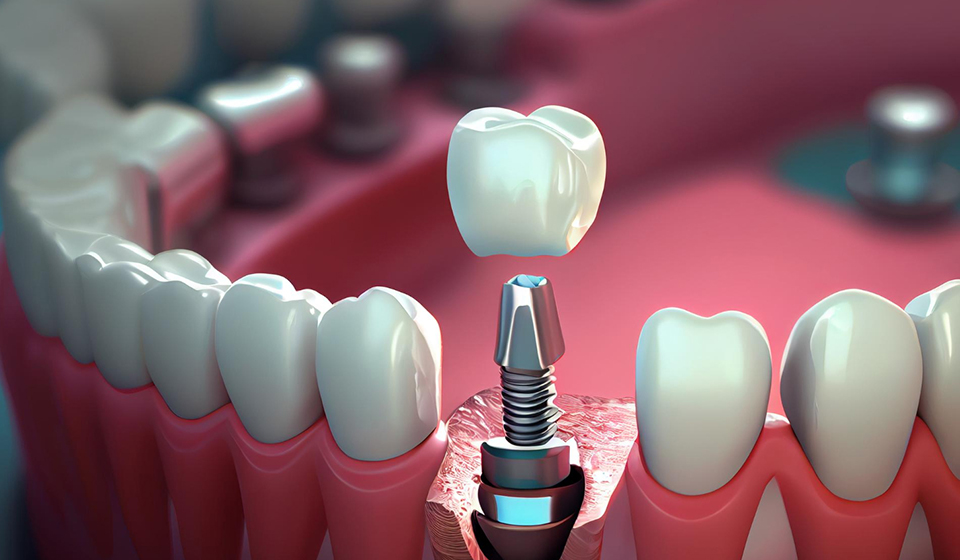
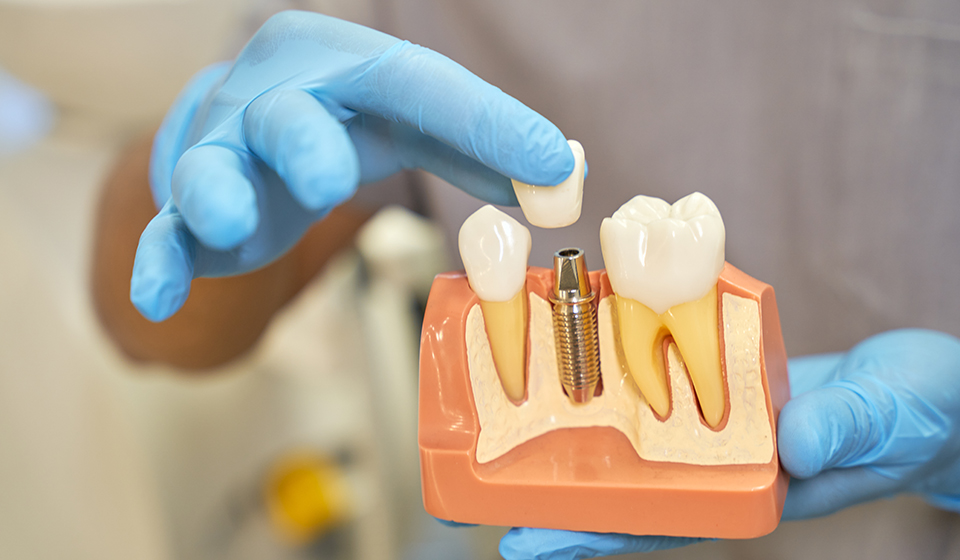
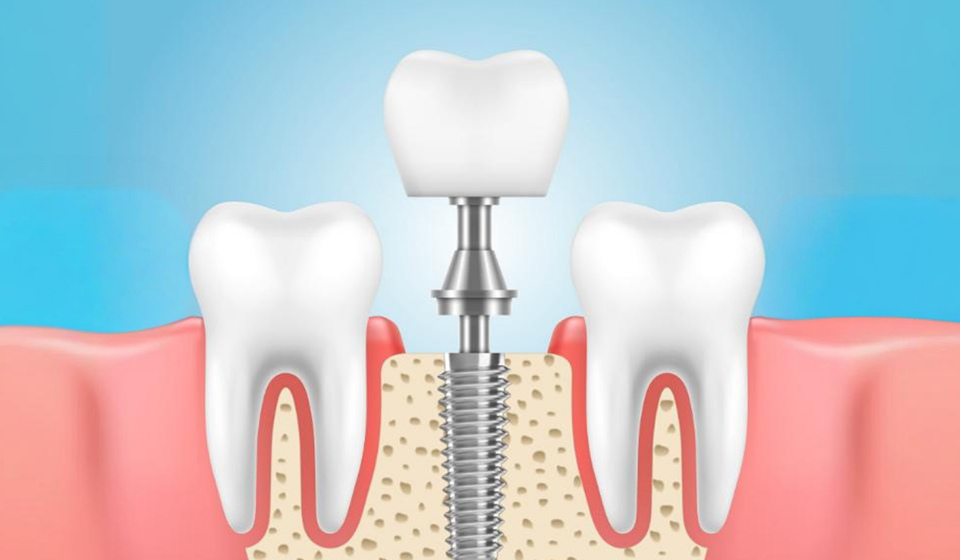
Dental implants are artificial tooth roots typically made from biocompatible titanium. These implants are surgically placed into the jawbone where missing teeth once existed. After healing and bonding with the bone, a custom dental crown is attached to complete the restoration.

A dental implant restoration usually includes three primary parts:

  • The implant post acts as the root replacement 
  • The abutment connects the implant to the restoration 
  • The crown replicates the visible portion of the tooth 

Together, these components create a secure and highly natural-looking replacement. 

One reason implants are so popular is their ability to function similarly to natural teeth. They allow patients to chew comfortably, smile confidently, and maintain better jawbone support over time.

Why dental implants are considered a long-term solution

Unlike some restorative treatments that may require frequent adjustments or replacements, dental implants are built for durability and stability. With proper oral hygiene and regular dental care, implants can last for many years.

One of the major advantages is the way implants integrate with the jawbone through a process called osseointegration. During healing, the implant fuses with the surrounding bone, creating a strong foundation that mimics a natural tooth root. This process helps prevent bone deterioration that often occurs after tooth loss.

Who may be a good candidate for dental implants?

Patients with healthy gums and strong jawbone density

Dental implants are suitable for many adults, but not everyone is automatically an ideal candidate. One of the most important factors is having healthy gums and sufficient jawbone density. Since implants rely on the jawbone for support, the bone must be strong enough to hold the implant securely in place. Patients who have experienced bone loss may still qualify for treatment with additional procedures such as bone grafting.

Individuals with good overall oral health

Good oral health also plays a major role in successful dental implant treatment. Conditions such as untreated gum disease, infections, or severe tooth decay may need to be treated before implants can be placed. A healthy mouth creates a stronger foundation for long-term implant success and proper healing after the procedure.

People are committed to proper oral care habits

Lifestyle habits can greatly affect the healing process and the long-term durability of dental implants. Smoking, excessive alcohol consumption, and poor oral hygiene may interfere with recovery and increase the risk of implant complications. Patients who are committed to maintaining regular brushing, flossing, and routine dental visits are generally considered better candidates for dental implants.

Older adults seeking long-term tooth replacement

Age is usually less important than overall health and oral condition. Many older adults successfully receive dental implants and experience significant improvements in comfort, chewing ability, and smile appearance. As long as the gums and jawbone are healthy enough to support the implant, dental implants can be an effective long-term solution for patients of different age groups.

Understanding the dental implant process

Initial dental evaluation and planning

A comprehensive exam, including imaging and jawbone assessment, helps determine implant suitability and treatment planning. Additional procedures like bone grafting may be recommended if needed.

Surgical placement of the implant

The implant post is surgically placed into the jawbone, acting as an artificial root. This step sets the foundation for a strong and stable replacement tooth.

Healing and bone integration

Over several months, the implant fuses with the jawbone through osseointegration. This healing phase is essential for creating long-lasting stability.

Abutment and crown placement

Once healed, an abutment is attached, and a custom crown is placed on top. The final restoration is designed to blend naturally with surrounding teeth.

Potential benefits of dental implants

  • Natural appearance: Dental implants are custom-designed to blend seamlessly with surrounding teeth, creating a realistic and attractive smile.
  • Long-lasting durability: With proper care, implants can last for many years and are highly resistant to decay.
  • Improved comfort: Fixed securely in place, implants eliminate the discomfort, slipping, or irritation.
  • Bone preservation: Implants stimulate the jawbone, helping prevent bone loss that commonly occurs after tooth loss.
  • No impact on nearby teeth: Implants do not rely on or damage adjacent teeth for support.
  • Better chewing function: They restore strong bite ability, allowing patients to eat a wide variety of foods comfortably.
  • Enhanced confidence: A stable, natural-looking smile can significantly improve self-esteem and overall confidence.

Caring for dental implants

Proper care is essential for maintaining healthy and long-lasting dental implants. Fortunately, implants can usually be cared for much like natural teeth.

Daily brushing and flossing help prevent plaque buildup and support gum health around the implant area. Routine dental checkups and professional cleanings also remain important for monitoring implant stability and overall oral health.

Patients should avoid habits that may damage restorations, such as chewing hard objects or grinding teeth excessively. Consistent oral care can significantly increase the longevity and performance of dental implants.

Conclusion

Dental implants continue to be one of the most effective and natural-looking solutions for replacing missing teeth. They offer long-term stability, improved function, enhanced appearance, and support for overall oral health. Understanding the procedure, recovery, benefits, and candidacy requirements can help individuals make confident decisions about their dental care needs.

For patients considering professional implant treatment, Modern Dental of Manhattan offers personalized care and advanced restorative solutions designed to improve both oral health and smile confidence. Our experienced dental team focuses on creating comfortable treatment experiences while helping patients achieve durable and natural-looking results tailored to their individual needs.

Frequently asked questions

How long do dental implants typically last?

Dental implants can last for many years with proper care and regular dental visits. Good oral hygiene and healthy lifestyle habits play an important role in maintaining long-term implant success.

Is the dental implant procedure painful?

Most patients report minimal discomfort during the procedure because local anesthesia is used. Mild soreness or swelling afterward is common, but recovery is usually manageable with proper care.

Can dental implants replace multiple missing teeth?

Yes, dental implants can replace a single tooth, multiple teeth, or even support full-arch restorations. Treatment plans are customized based on each patient’s specific dental needs.

How long does the healing process take?

Healing time varies depending on the patient and the complexity of treatment. In many cases, the implant integrates with the jawbone over several months before the final restoration is placed.

Do dental implants require special maintenance?

Dental implants do not require complicated maintenance routines. Regular brushing, flossing, and professional dental checkups are usually enough to keep them healthy and functional.
Benefits of Dental Implants for Smile Restoration

A healthy smile plays a major role in confidence, communication, and overall oral health. Missing teeth can affect far more than appearance. They can influence speech, chewing ability, jawbone strength, and even facial structure over time. Modern restorative dentistry has transformed the way tooth loss is treated, and dental implants in Manhattan have become one of the most long-term solutions for rebuilding a complete smile. 

Understanding dental implants

Dental implants are artificial tooth roots that are placed into the jawbone to support replacement teeth. They are commonly made from durable materials. Once the implant is placed, the bone gradually bonds with it, creating a secure and stable foundation. A complete dental implant typically includes three parts:

  • The implant post that acts as the artificial root
  • The abutment that connects the implant to the restoration
  • The custom crown, bridge, or denture that restores the visible portion of the tooth

Because implants are anchored directly into the jawbone, they function much like natural teeth and provide exceptional stability.

How dental implants improve smile restoration: Key benefits

Natural appearance and feel

One of the biggest benefits of dental implants is their natural appearance. Implant restorations are custom-designed to blend seamlessly with surrounding teeth in terms of size, shape, and color. This creates a smile that looks authentic and aesthetically pleasing.

Improved chewing and speaking ability

Missing teeth can make it difficult to chew certain foods comfortably. Dental implants restore strong bite functionality, allowing patients to enjoy a wider variety of foods with greater ease.

Clear speech is another important benefit. Tooth loss can affect pronunciation and speech patterns, especially when multiple teeth are missing. Because implants remain securely in place, they help maintain proper tongue positioning and improve speech clarity.

Long-term durability

Dental implants are known for their durability and long lifespan. With proper care and regular dental checkups, implants can last for many years and in some cases even a lifetime. This makes them a valuable investment for long-term oral health. Modern implant techniques continue to evolve, making procedures more predictable and comfortable for patients. 

Prevention of jawbone loss

One of the most important health benefits of dental implants is their ability to help preserve jawbone density. Dental implants function like natural tooth roots by stimulating the jawbone during daily activities. This helps maintain bone structure and prevents the sunken facial appearance that can occur with prolonged tooth loss.

Protection of adjacent teeth

Dental implants do not rely on adjacent teeth for support. Each implant functions independently, which helps preserve the natural structure of surrounding teeth. This contributes to improved long-term oral health and reduces unnecessary stress on healthy teeth.

Enhanced confidence and emotional well-being

A complete smile can have a major impact on self-confidence. Missing teeth may cause individuals to feel self-conscious during conversations, photos, or social interactions. 

Dental implants help restore confidence by creating a secure and attractive smile. Because they look and function like natural teeth, patients often feel more comfortable in personal and professional situations after treatment.

Low maintenance and easy care

Dental implants are relatively easy to maintain. They can be cared for much like natural teeth with regular brushing, flossing, and professional dental cleanings. Good oral hygiene plays an important role in maintaining implant health. Regular dental visits help monitor the surrounding gums and ensure the implant remains stable and healthy over time.

Who can benefit from dental implants?

Dental implants can benefit many individuals experiencing tooth loss due to injury, decay, gum disease, or aging. They may be used to replace:

  • A single missing tooth
  • Multiple missing teeth
  • An entire arch of teeth

Candidates for implants generally need healthy gums and sufficient jawbone support. A professional dental evaluation helps determine the most suitable treatment plan based on each patient’s oral health needs and smile goals.

Conclusion

Dental implants have transformed modern smile restoration by offering a durable, natural-looking, and highly functional solution for missing teeth. Their ability to preserve jawbone health, improve chewing function, enhance confidence, and support long-term oral wellness makes them one of the most effective restorative options available.

For individuals considering smile restoration, Modern Dental of Manhattan provides advanced dental implant solutions designed to restore both oral health and confidence. With a focus on personalized care and modern restorative techniques, our team helps patients achieve healthy, natural-looking smiles that last for years to come.

Frequently asked questions

How long do dental implants last?

Dental implants are designed to be a long-term solution for missing teeth. With proper oral hygiene and regular dental visits, they can last for many years and often decades.

Can dental implants look natural?

Yes, dental implants are custom-designed to match the appearance of natural teeth. The color, shape, and size of the restoration are carefully crafted to blend seamlessly with the surrounding smile.

How long does the dental implant process take?

The treatment timeline varies depending on the patient’s oral health and treatment plan. Some cases may take several months because the jawbone needs time to heal and integrate with the implant before the final restoration is placed. 

Are dental implants painful?

Most patients report that the procedure is more comfortable than expected. Mild soreness after the procedure is common but usually manageable during the healing process.

Who is a good candidate for dental implants?

Most healthy adults with sufficient jawbone support can qualify for dental implants. A dental examination helps determine whether additional procedures or preparations may be needed before treatment begins.

How to Care for Your Dental Implants After Surgery

Dental implants in New York have become a popular solution for individuals who have lost teeth due to injury, decay, or other health-related reasons. Unlike traditional dentures or bridges, implants offer a long-term, stable solution that feels and functions like natural teeth. However, the success of your dental implants relies heavily on how well you care for them after the surgery. Proper aftercare ensures that the implants heal properly, preventing complications and ensuring that they last for many years.

Immediate care after dental implant surgery

Control bleeding and swelling

It’s normal to experience some bleeding during the first few hours after the surgery. Bite gently on a clean gauze pad to apply light pressure to the area and stop the bleeding. Replace the gauze as needed until the bleeding subsides.

Avoid touching the surgical site

Try not to touch or poke the implant area with your fingers or tongue. This helps prevent infection and ensures the healing process goes smoothly.

Pain management

Mild to moderate discomfort following dental implant surgery is common. Follow your dentist’s advice on pain medication, and make sure to take the prescribed doses at the right intervals. If the pain intensifies or doesn’t subside, consult your dentist immediately.

Rest and recover

Avoid intense physical activity during the first few days after the surgery. Physical exertion can increase blood flow to the head and face, leading to more swelling and bleeding.

Oral hygiene after dental implant surgery

Gentle brushing

You may resume brushing your teeth the day after surgery, but it is crucial to be very gentle around the implant site. Use a soft-bristled toothbrush to avoid irritation. Be cautious not to apply pressure directly on the implant area. You can clean the rest of your mouth as usual, but avoid brushing the implant site for a few days.

Use a saltwater rinse

After 24 hours, gently rinse your mouth with warm salt water to keep the area clean. Mix about a teaspoon of salt in a glass of warm water and swish it around your mouth several times a day. This helps to reduce the risk of infection and promote healing.

Diet and nutrition after implant surgery

Stick to soft foods

For the first few days, stick to a soft-food diet to avoid disturbing the implant site. Foods like mashed potatoes, soups, scrambled eggs, smoothies, and yogurt are ideal choices. Avoid hard, crunchy, or chewy foods that may put unnecessary pressure on the implants.

Avoid hot and cold foods

Your mouth may be sensitive after surgery, so try to avoid extremely hot or cold foods and drinks. This will help prevent irritation and reduce the chances of sensitivity or discomfort around the implant area.

Stay hydrated

Drink plenty of water to stay hydrated. Staying hydrated helps promote healing and keeps the mouth moist, which is essential for the recovery process.

Why choose professionals for your dental implants

When it comes to dental implants, selecting the right dental clinic is crucial for ensuring a smooth and successful procedure. At Modern Dental of Manhattan in New York, we offer expert care and high-quality dental implants using the latest technology to ensure precision and faster recovery. Our experienced team provides personalized treatment plans tailored to your needs, ensuring the best possible outcome. We focus on long-term success, offering comprehensive aftercare instructions to help your implants heal properly and last for years. 

Frequently asked questions

What should be avoided during the recovery period?

During the recovery period, it’s important to avoid intense physical activities, hot and cold foods, and touching the surgical site with your fingers or tongue. These activities can increase swelling, bleeding, or cause infection, slowing down the healing process.

Is swelling normal after the procedure?

Yes, some swelling is expected after dental implant surgery. Applying a cold compress to the outside of the face near the implant site for 15–20 minutes at a time during the first 24 hours can help reduce swelling.

What should be done if complications or infection occur?

If excessive bleeding, severe pain, or signs of infection arise, it’s important to contact the dental professional immediately. Early intervention can help prevent further complications and ensure the success of the implants.

What should be eaten after dental implant surgery?

For the first few days after surgery, a soft-food diet is recommended. Mashed potatoes, soups, smoothies, and yogurt are ideal choices. Hard, crunchy, or chewy foods should be avoided as they may place unnecessary pressure on the implants and affect healing.

How should dental implants be cared for long-term?

Long-term care includes regular brushing, flossing, and dental check-ups. Maintaining proper oral hygiene is crucial to avoiding plaque buildup, which can lead to gum disease and other complications. 

Why You Should Consider Dental Implants for a Healthy Smile

A confident smile is more than just a cosmetic feature. It plays a crucial role in overall health and quality of life. Missing teeth can affect the way you eat, speak, and interact with others. They can also lead to oral health problems and even bone loss in the jaw. If you are looking for a long-term solution, dental implants are widely recognized as the best choice for replacing missing teeth. They require minimal maintenance and can last for decades with proper care, making them a reliable investment for both oral health and overall well-being.

What are dental implants?

Dental implants are specially designed posts that are placed into the jawbone to serve as artificial tooth roots. Once securely anchored, they integrate with the bone through a natural process that provides a stable and strong foundation for dental restorations. Unlike traditional removable dentures, dental implants in New York are a permanent solution that offers a natural look, feel, and function. They not only restore the appearance of your smile but also help maintain jawbone health and overall oral function.

Key features of dental implants include:

  • Durability: With proper care, implants can last a lifetime.
  • Stability: Implants do not shift or slip like removable dentures.
  • Natural appearance: Customized crowns match the color and shape of your natural teeth.

The health benefits of dental implants

Dental implants offer benefits that go beyond improving the appearance of your smile. They can improve overall oral health in several ways.

Preserve jawbone health

When a tooth is missing, the jawbone in that area may begin to shrink over time due to a lack of stimulation. Dental implants act like natural tooth roots, stimulating the jawbone and preventing bone loss. Maintaining jawbone density helps preserve facial structure and reduces the risk of a sunken appearance over time.

Prevent teeth shifting

Missing teeth can cause neighboring teeth to move into the space, resulting in misalignment and bite problems. Dental implants fill the gap permanently, keeping teeth in their proper position and supporting a correct bite.

Improve oral hygiene

Unlike dental bridges, which may require altering adjacent teeth, implants do not affect neighboring teeth. This allows you to maintain your natural teeth while improving oral hygiene. Brushing and flossing around implants is simple and similar to caring for natural teeth.

Enhance digestion and nutrition

Missing teeth can make chewing certain foods difficult, limiting your diet and affecting nutrition. Dental implants restore full chewing ability, allowing you to eat a balanced diet comfortably. Proper chewing also aids digestion and nutrient absorption.

Cosmetic advantages of dental implants

In addition to health benefits, dental implants provide cosmetic advantages that can improve confidence.

  • Natural-looking smile: Crowns are designed to match natural teeth in shape and color.
  • Boost in confidence: A complete and aesthetically pleasing smile enhances self-esteem.
  • No movement: Implants remain securely in place, allowing you to speak, laugh, and smile without worry.

Long-term cost-effectiveness

Dental implants may involve a higher initial investment compared to traditional options such as dentures or dental bridges. However, when considering long term value, implants often prove to be more economical and reliable.

Other dental treatments require replacement or significant adjustments every few years due to wear, changes in jaw structure, or damage. These ongoing replacements and maintenance costs can accumulate over time. In contrast, dental implants are designed to integrate with the jawbone, creating a stable foundation that can last for decades with proper oral hygiene and regular dental checkups.

When evaluating the total cost over many years, including maintenance, replacements, and potential complications, dental implants often become the more cost-effective and durable solution. They provide long-lasting function, comfort, and confidence, making them a worthwhile investment in both oral health and overall quality of life.

Why choose a professional for dental implants?

Dental implant treatment is a highly technical procedure that requires advanced training, clinical experience, and careful planning. Choosing a qualified and experienced dental professional significantly increases the success rate of your treatment and ensures long-lasting results.

Proper implant placement involves a detailed evaluation of your oral health, jawbone density, bite alignment, and overall medical history. A professional dental team uses advanced diagnostic tools and customized treatment planning to ensure that the implant is positioned accurately and integrates successfully with the jawbone. This careful approach reduces the risk of complications and promotes faster healing.

Choosing the right dental provider is just as important as choosing the treatment itself. For patients seeking trusted and comprehensive implant care, Modern Dental of Manhattan in New York is known for delivering high-quality dental solutions with a patient-centered approach. Our team prioritizes comfort, safety, and long-term results while using modern technology to provide predictable outcomes.

Final thoughts

Dental implants offer a comprehensive solution for individuals seeking to restore both the function and appearance of their smile. Beyond filling a gap left by a missing tooth, implants help preserve jawbone health, maintain proper bite alignment, and support long-term oral stability. They provide the strength needed for comfortable chewing, the confidence to speak clearly, and the natural appearance that enhances self-esteem.

While the initial investment may be higher than other tooth replacement options, the durability, stability, and long term benefits of dental implants often make them the most reliable choice. With proper care and choosing experienced professionals further ensures accurate placement, safe procedures, and aesthetically pleasing results. 

Frequently asked questions

Are dental implants painful?

The procedure is typically performed under local anesthesia, ensuring comfort during treatment. Mild discomfort after the procedure is normal and usually manageable with prescribed medication.

Who is a good candidate for dental implants?

Candidates generally have healthy gums, adequate jawbone density, and good overall health. A professional evaluation is necessary to determine eligibility and create a customized treatment plan.

How long do dental implants last?

With proper oral hygiene and regular dental checkups, dental implants can last for decades and, in many cases, a lifetime.

How should dental implants be cared for?

Dental implants should be brushed and flossed daily, just like natural teeth. Routine dental visits and professional cleanings are essential to maintain long-term success.

Are dental implants better than dentures?

Dental implants offer greater stability, improved chewing ability, and long-term durability compared to removable dentures. They also help preserve jawbone health, which dentures cannot provide.

What Are Dental Implants and How Do They Work?

Dental implants have transformed the way missing teeth are replaced, offering a long-term solution that looks, feels, and functions like natural teeth. They are designed to restore not only your smile but also your ability to chew, speak, and live confidently. Many patients exploring dental implants in New York want clear, trustworthy information before committing to treatment. Understanding how dental implants work removes fear, clears up myths, and sets realistic expectations. Modern implant dentistry combines advanced technology with proven techniques to deliver predictable results. When patients feel informed, the decision to move forward becomes far easier and more empowering.

Understanding Dental Implants and Their Purpose

Dental implants are artificial tooth roots, typically made from biocompatible titanium, that are surgically placed into the jawbone. From an analytical perspective, they function as a stable foundation for replacement teeth, such as crowns, bridges, or dentures. Unlike removable options, dental implants integrate with the bone, creating unmatched stability.

The primary purpose of dental implants is to replace missing teeth while preserving jawbone health. When a tooth is lost, the underlying bone begins to shrink over time. Dental implants stimulate the bone, helping maintain facial structure and oral function.

How Do Dental Implants Work Inside the Jaw?

Dental implants work through a biological process known as osseointegration. After placement, the implant gradually fuses with the jawbone. This creates a strong, secure base that mimics the function of a natural tooth root.

From an analytical standpoint, this fusion is what sets implants apart from other tooth replacement options. The implant does not rely on neighboring teeth for support, reducing long-term strain and preserving overall oral health.

The Three Main Parts of Dental Implants

Dental implants consist of three essential components:

  • The implant post, which replaces the tooth root
  • The abutment, which connects the implant to the crown
  • The crown, which restores the visible portion of the tooth

Each component plays a critical role in strength, comfort, and aesthetics.

Common Myths About Dental Implants

Misinformation often prevents patients from considering dental implants. Clearing up these myths is an important step in patient education.

Myth: Dental Implants Are Painful

Reality: With modern techniques and anesthesia, implant placement is typically more comfortable than expected. Most patients report mild discomfort that resolves quickly.

Myth: Dental Implants Are Only for Older Adults

Reality: Dental implants are suitable for adults of many ages, provided they have healthy gums and adequate bone structure.

Myth: Dental Implants Look Unnatural

Reality: Implant-supported crowns are designed to match natural teeth in shape, color, and function.

Step-by-Step Dental Implant Process

Understanding what to expect at each stage helps patients feel confident and prepared.

Initial Consultation and Evaluation

The process begins with a comprehensive exam, including imaging to assess bone density and oral health. Dentists determine whether dental implants are appropriate and create a customized treatment plan.

This evaluation often introduces patients to options such as Manhattan Dental Implants, helping them understand how implants fit into their long-term oral health goals.

Implant Placement

The implant post is placed into the jawbone during a minor surgical procedure. Precision is essential at this stage to ensure proper alignment and stability.

After placement, a healing period allows the implant to integrate with the bone. This phase is critical for long-term success.

Restoration and Final Results

Once healing is complete, the abutment and crown are attached. The final restoration is carefully designed to blend seamlessly with surrounding teeth.

Patients seeking dental implants in Manhattan often appreciate how natural and secure the final result feels.

What to Expect During Recovery

Recovery after implant placement is usually straightforward. Mild swelling or soreness may occur but typically subsides within a few days.

Helpful recovery tips include:

  • Following postoperative instructions
  • Maintaining good oral hygiene
  • Eating soft foods initially
  • Attending follow-up appointments

From an analytical perspective, proper recovery care significantly increases implant success rates.

Who Is a Good Candidate for Dental Implants?

Dental implants are suitable for many patients, but certain factors influence candidacy. Healthy gums, sufficient bone density, and overall good health are key considerations.

Even patients with bone loss may qualify with additional procedures. A thorough evaluation ensures implants are placed safely and effectively.

Caring for Dental Implants

Caring for dental implants is similar to caring for natural teeth. Consistent hygiene and routine dental visits are essential.

Recommended care practices include:

  • Brushing twice daily
  • Flossing around implant-supported teeth
  • Scheduling regular professional cleanings
  • Avoiding habits like teeth grinding

Analytically, proper maintenance protects both the implant and the surrounding tissues.

Conclusion

Dental implants offer a reliable, natural-looking solution for missing teeth by restoring strength, stability, and confidence. Understanding how they work and what to expect helps patients move forward without hesitation. When placed with precision and supported by proper care, dental implants deliver lasting results that enhance everyday life. At Modern Dental of Manhattan in New York, this commitment to accessible, high-quality implant care ensures patients receive the knowledge, comfort, and results they deserve.

The Step-by-Step Process of Getting Dental Implants Explained

A confident smile can change everything—from the way you speak and eat to how you feel about yourself. When tooth loss occurs, it doesn’t have to define your confidence or limit your lifestyle. That’s where dental implants step in, the most reliable, natural-looking, and long-lasting solution to missing teeth. If you’ve been considering dental implants in New York, understanding the complete process will help you make an informed decision and look forward to your new smile with excitement, not uncertainty. At our New York location, we believe everyone deserves access to quality dental care that enhances both health and happiness.

Below are the step-by-step processes of getting dental implants from consultation to aftercare, so you know exactly what to expect and why this treatment is transforming smiles across Manhattan and beyond.

Understanding Dental Implants

Dental implants are artificial tooth roots made from biocompatible titanium or zirconia that fuse with your jawbone to support replacement teeth. Unlike dentures or bridges, implants don’t just sit on top of the gums; they integrate with your bone for unmatched stability and strength.

Each implant mimics the function of a natural tooth, providing a firm foundation for crowns, bridges, or even full-arch restorations. Whether you’re missing a single tooth or several, dental implants in New York can restore your smile and prevent jawbone loss over time.

Here’s what makes dental implants a smart, modern solution:

  • They look, feel, and function like natural teeth.
  • They help maintain jawbone density and prevent facial sagging.
  • They don’t require support from adjacent teeth.
  • They can last decades with proper care.

Step 1: The Initial Consultation

The journey begins with a thorough consultation with your Manhattan dentist. This first visit is designed to assess your oral health and determine whether you’re a good candidate for implants.

During this stage, your dentist will:

  • Take digital X-rays or 3D scans to examine bone density.
  • Review your medical and dental history.
  • Discuss your expectations, treatment goals, and options.

If your gums are healthy and your bone structure is sufficient, your dentist will create a personalized treatment plan outlining the number of implants, procedure timeline, and cost. If you need bone grafting or other preparatory treatments, these will be scheduled before implant placement.

Step 2: Treatment Planning and Preparation

A customized plan ensures the implant procedure fits your smile perfectly. Advanced imaging and digital design tools allow your Manhattan dentist to plan the exact placement angle, depth, and alignment of your implants.

This phase may also involve:

  • Bone grafting: If your jawbone needs reinforcement to support an implant.
  • Tooth extraction: If damaged teeth must be removed before implant placement.
  • Temporary restorations: So you can maintain appearance and function during healing.

These steps are all about precision, ensuring your implants are placed securely for lifelong results.

Step 3: The Implant Placement Surgery

This is where the magic happens. The dental implant post—a small titanium screw—is surgically placed into your jawbone. The procedure is performed under local anesthesia or sedation to ensure comfort throughout.

Here’s a simple breakdown of what happens:

  • Your dentist makes a small incision in the gum to expose the bone.
  • The implant is carefully inserted into the jaw.
  • The site is closed with dissolvable sutures to protect healing.

The surgery typically takes about an hour per implant, and most patients return home the same day. Minor swelling or tenderness is normal and subsides within a few days.

Step 4: The Healing and Osseointegration Phase

After placement, your jawbone begins the most crucial stage—osseointegration. This process allows the implant to fuse naturally with the bone, creating a strong, stable foundation for your artificial tooth.

Healing can take anywhere from three to six months, depending on your health and bone quality. During this time, you may wear a temporary crown or bridge to maintain your smile’s appearance.

A few helpful aftercare tips during recovery:

  • Maintain gentle oral hygiene with a soft-bristled toothbrush.
  • Avoid hard or sticky foods until your dentist advises otherwise.
  • Keep follow-up appointments to monitor progress.

Patience pays off—the better the integration, the longer your implant will last.

Step 5: Attaching the Abutment

Once your implant has fully integrated, it’s time to connect the abutment, a small connector piece that links the implant to your new crown. This step usually requires a minor procedure under local anesthesia.

After attaching the abutment:

  • Your gums will heal around it over a couple of weeks.
  • Impressions will be taken to create your custom crown or restoration.

This stage brings you one step closer to your completed smile.

Step 6: Placing the Final Crown

Here’s the moment you’ve been waiting for—the placement of your permanent crown. The crown is custom-made to match the color, shape, and size of your surrounding teeth for a completely natural appearance.

Once the crown is securely attached to the abutment, your dentist checks your bite and comfort level. The result? A flawless, functional smile that looks and feels just like your own teeth.

Step 7: Aftercare and Maintenance

Your dental implant is designed to last for years, possibly a lifetime—with the right care. While implants don’t decay, the surrounding gums and bone need to stay healthy.

Maintain your results with:

  • Regular brushing and flossing, just like natural teeth.
  • Routine dental checkups and cleanings every six months.
  • Avoiding habits like smoking or chewing on hard objects.

With proper maintenance, your dental implants in Manhattan can serve you for decades while preserving your oral health and confidence.

Conclusion

The process of getting dental implants in New York may seem extensive, but every step is carefully designed to ensure safety, comfort, and a lifetime of beautiful results. From the first consultation to your final smile reveal, your journey with Modern Dental of Manhattan in New York is guided by expertise, precision, and care.

When you’re ready to invest in your smile, trust a team that combines advanced technology with compassionate service. With dental implants in Manhattan, you’re not just replacing missing teeth—you’re reclaiming your confidence, health, and happiness.

Why Dental Implants Are a Long-Term Investment in Your Health

Missing teeth impact your smile and also affect your entire health. If you’ve been considering solutions for tooth loss, dental implants may initially seem like a significant commitment. But when you look deeper, it’s clear they’re one of the most reliable and health-forward options available today.

If you’re searching for dental implants in New York, it’s not just about replacing a tooth. It’s about protecting your health, your confidence, and your quality of life for years to come. Let’s explore why Manhattan dental implants aren’t just cosmetic fixes but life-changing solutions backed by science and proven success.

What Makes Dental Implants Different?

Dental implants aren’t just another restorative treatment. Unlike dentures or bridges, implants are designed to mimic the natural structure of your teeth, root to crown.

Here’s what sets them apart:

  • Root placement: The implant fuses with your jawbone, creating a stable, long-lasting foundation.
  • Bone preservation: They stimulate bone tissue, preventing the jawbone from deteriorating after tooth loss.
  • Natural aesthetics: Implants look and feel like your real teeth—no clicking, slipping, or visible wires.
  • Permanent solution: With proper care, implants can last 25 years or more.

When you invest in dental implants in Manhattan, you’re choosing strength, function, and longevity over temporary fixes.

The Health Benefits of Dental Implants

The advantages of dental implants go far beyond appearance. In fact, they can directly impact your overall wellness. Missing teeth can cause shifting, bite issues, and digestion problems due to improper chewing. Implants restore more than just your smile—they restore balance to your body.

Key health benefits include:

  • Decreased risk of gum disease by closing gaps that collect bacteria
  • Better speech clarity without removable appliances
  • Maintained facial structure, preventing sunken cheeks or a collapsed jawline
  • Improved self-confidence, which positively influences mental health

Choosing dental implants in New York isn’t just a cosmetic upgrade—it’s a proactive step toward total wellness.

Common Myths About Dental Implants

We understand that dental implants come with questions—and sometimes, misconceptions. Let’s address some common myths with real facts.

Myth #1: Dental implants are too expensive.

Fact: Implants are a one-time investment that lasts decades. Bridges and dentures often require maintenance or replacement every 5–10 years. Implants, on the other hand, rarely need additional care beyond good oral hygiene and routine dental visits.

Myth #2: The procedure is painful.

Fact: Thanks to modern sedation and anesthesia techniques, implant placement is a minimally invasive and comfortable procedure. Most patients report less discomfort than a tooth extraction.

Myth #3: Old people can opt for implants.

Fact: As long as your gums and bone are healthy, age is not a barrier. Professionals can place successful implants for patients well into their 70s and beyond.

Myth #4: Implants take too long.

Fact: The timeline for implants varies, but some cases qualify for same-day implants or quicker healing options. You won’t be without teeth during the process—we’ll ensure you have a temporary restoration until your final crown is placed.

What to Expect at Your Implant Consultation

If you’re considering Manhattan dental implants, your first step is a comprehensive consultation. Our skilled dental team will conduct a full evaluation to assess your gum health, bone density, and overall oral condition.

During your consultation, you can expect:

  • A scan of your jaw to evaluate bone levels
  • Review of your medical and dental history
  • Discussion of your personal goals and budget
  • Custom treatment plan outlining timeline, costs, and care steps

We believe that education empowers patients. That’s why we take time to explain every part of the process—from consultation to post-op care—so you feel confident about moving forward.

Why Dental Implants Are Worth the Investment

Some patients hesitate to commit to implants due to the cost. But think of them the same way you would a high-quality mattress or orthopedic shoes: they affect your health daily. Unlike dentures or bridges, which often feel like temporary patches, implants are a permanent part of your mouth.

Here’s why they’re a smart investment:

  • Lower lifetime cost compared to repairs and replacements for other restorations
  • Fewer dental visits over time
  • No need for special adhesives or removals
  • Boost in quality of life—chewing, speaking, and smiling with ease

The reality? Dental implants in Manhattan are one of the few procedures that benefit your appearance, oral function, and systemic health, all in one treatment.

Smile for the Long Run

Your smile isn’t just about looks; it’s how you express yourself, chew your food, and interact with the world. Don’t let missing teeth compromise your health or confidence. With dental implants in New York, you’re not just restoring your smile; you’re reclaiming control of your health, function, and future.

At Modern Dental of Manhattan in New York, we believe quality care should be accessible and life-changing. That’s why we offer personalized plans, expert care, and innovative technology to ensure your implant experience is seamless and successful.