Step-by-Step Complete Procedure: What Happens During a Root Canal

A root canal is one of the most effective treatments for saving a damaged or infected tooth. Many patients feel anxious when they hear the term, but the procedure is designed to be comfortable, precise, and predictable. Root Canal in New York offers advanced technology to minimize discomfort and maximize success. Understanding the steps involved can help you feel prepared and confident. From the initial examination to the final restoration, each stage of a root canal is carefully planned. The goal is to remove infection, protect the tooth structure, and restore full function. With proper care, a treated tooth can last a lifetime.

What Is a Root Canal?

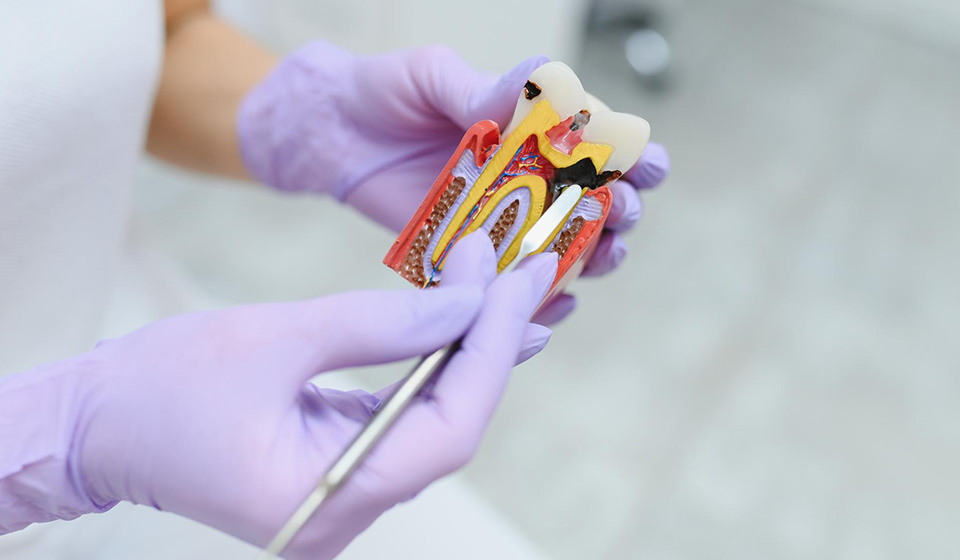
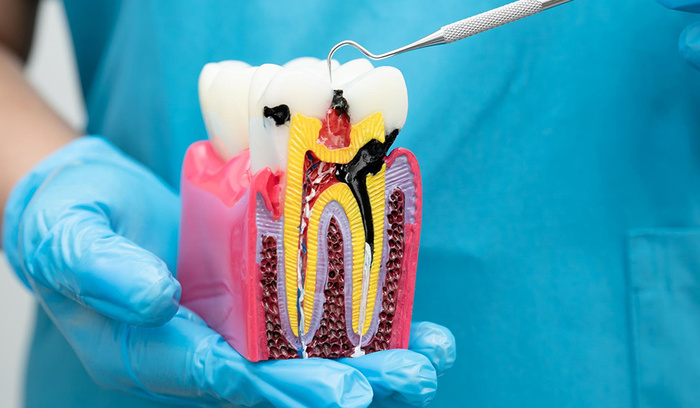
A root canal is a dental procedure that removes infected or inflamed pulp inside a tooth. The pulp contains nerves, blood vessels, and connective tissue, and once infected, it can cause severe pain or abscess formation. Root Canal in New York targets these issues, preventing further damage to surrounding teeth and bone.

Common reasons for a root canal include:

  • Deep decay reaching the pulp
  • Cracked or fractured teeth
  • Severe tooth trauma
  • Repeated dental procedures on the same tooth

Root canal treatment is often misunderstood, but modern techniques make it efficient and largely painless.

Initial Examination and Diagnosis

The first step in a root canal is a comprehensive dental evaluation. This ensures that the procedure is truly necessary and that no other alternatives can address the problem.

During the evaluation:

  • A detailed dental history is taken.
  • Symptoms like pain, swelling, or sensitivity are assessed.
  • X-rays are used to examine tooth roots and surrounding bone.
  • The extent of infection or decay is determined.

Accurate diagnosis ensures the root canal in Manhattan is tailored to your specific needs and provides the best possible outcome.

Preparing for the Root Canal Procedure

Once the diagnosis is complete, the tooth and surrounding area are prepared for treatment.

Preparation typically includes:

  • Administering local anesthesia to numb the tooth and gum
  • Placing a rubber dam around the tooth to keep it dry and free from saliva
  • Cleaning the area to maintain a sterile environment

These steps minimize discomfort and reduce the risk of infection during the procedure.

Accessing the Tooth Pulp

The next step involves creating an access point to reach the infected pulp inside the tooth.

Key actions during this stage:

  • A small opening is made in the crown of the tooth.
  • The dentist carefully identifies the pulp chamber and root canals.
  • Tiny instruments are used to remove the diseased tissue.

By accessing the pulp directly, the dentist ensures that all infected material is eliminated, reducing the risk of future complications.

Cleaning and Shaping the Root Canals

Once the pulp is removed, the canals must be thoroughly cleaned and shaped. This is a critical stage that ensures the tooth is free from bacteria and prepared for filling.

During this step:

  • The canals are cleaned with specialized files.
  • Irrigating solutions flush out debris and bacteria.
  • Canals are shaped to allow a precise fit for the filling material.

This stage requires meticulous attention to detail, as even small areas of infection left behind can compromise the procedure’s success.

Filling the Canals

After cleaning, the canals are filled to seal the tooth and prevent reinfection.

Key points include:

  • A biocompatible material called gutta-percha is commonly used.
  • The material is placed along the entire length of the root canals.
  • A temporary or permanent filling seals the access opening.

Sealing the canals is essential to protect the tooth from future bacterial invasion.

Placing the Restoration

In most cases, a root canal-treated tooth requires a crown or other restoration to restore strength and functionality.

Restoration steps typically involve:

  • Preparing the tooth for a crown if necessary
  • Taking impressions for a custom-fit crown
  • Placing a temporary crown while the permanent one is fabricated
  • Securing the permanent crown to restore chewing ability and appearance

This final step ensures the tooth blends naturally with surrounding teeth and functions normally.

Recovery After a Root Canal

Recovery from a root canal is usually straightforward. Some mild discomfort or sensitivity may occur for a few days, but it can be managed with over-the-counter pain medication.

Tips for a smooth recovery:

  • Avoid chewing hard foods on the treated tooth initially.
  • Maintain excellent oral hygiene with brushing and flossing
  • Attend follow-up visits to monitor healing and crown placement
  • Contact your dentist if swelling, severe pain, or unusual symptoms occur.

Following these guidelines helps maintain the longevity of the treated tooth.

Benefits of a Root Canal:

Root canal treatment offers several advantages beyond pain relief:

  • Preserves natural teeth and avoids extraction
  • Restores normal chewing and biting function
  • Eliminates the source of infection
  • Enhances overall oral health
  • Prevents bone loss in the jaw

A properly treated tooth can last a lifetime, making a root canal an excellent investment in dental health.

Conclusion

Root canal treatment is a predictable and highly effective solution for infected or damaged teeth. From diagnosis to final restoration, each step is carefully executed to ensure comfort, functionality, and long-term success. Understanding the full procedure empowers patients to make informed decisions and approach treatment with confidence. At Modern Dental of Manhattan in New York, every root canal is performed with advanced techniques, meticulous planning, and patient-centered care, ensuring you can maintain a healthy and pain-free smile for years to come.

What Happens If You Avoid Root Canal Treatment?

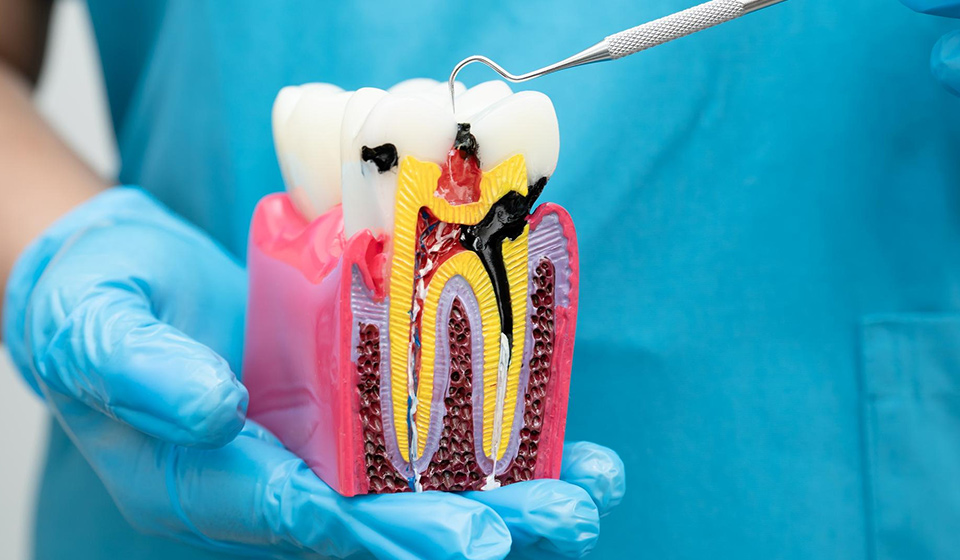
Tooth pain is easy to ignore at first, especially when it comes and goes. Many people assume the discomfort will disappear on its own or can be managed with painkillers. However, when an infection reaches the inner part, or root canal, of a tooth, delaying care can lead to serious consequences, especially if you postpone a root canal in New York, where early intervention is widely available. Avoiding treatment does not stop the problem; it allows it to grow. From an analytical perspective, understanding what truly happens when root canal treatment is delayed helps patients make informed, confident decisions. The right information can turn fear into action and protect long-term oral health.

Understanding Root Canals and Why They’re Recommended

A root canal is a dental procedure designed to remove infected or damaged pulp from inside a tooth. The pulp contains nerves and blood vessels, and once it becomes infected, the body cannot heal it on its own. Instead, bacteria continue to spread deeper into the tooth and surrounding bone.

Root canal treatment cleans the infection, seals the tooth, and preserves the natural structure. Analytically, it is a preventive solution that stops minor issues from turning into major oral and systemic problems.

What Causes the Need for a Root Canal?

Several issues can lead to pulp infection, including:

  • Deep cavities left untreated
  • Cracked or chipped teeth
  • Repeated dental procedures on the same tooth
  • Trauma to the tooth

When these factors are ignored, infection becomes inevitable.

Early Signs You Shouldn’t Ignore

Many patients delay treatment because symptoms start mildly. Unfortunately, early signs are the body’s warning system.

Common symptoms include:

  • Persistent toothache
  • Sensitivity to hot or cold
  • Swollen or tender gums
  • Darkening of the tooth

Ignoring these signs often leads patients to seek emergency care later, rather than planned treatment such as a Manhattan root canal.

What Happens If You Avoid Root Canal Treatment?

From an analytical standpoint, avoiding root canal treatment allows bacteria to progress unchecked. The infection does not remain confined to the tooth.

Infection Spreads Beyond the Tooth

Once the pulp is infected, bacteria move through the root canals into the jawbone. This can result in abscess formation, bone loss, and facial swelling. At this stage, pain often becomes severe and constant.

Delaying care increases the likelihood that simple treatment options will no longer be effective.

Increased Risk of Tooth Loss

Avoiding root canal treatment significantly raises the risk of losing the tooth entirely. Extraction becomes the only option when the tooth structure is too damaged to save.

Patients who delay often regret not choosing a root canal in Manhattan earlier, as preserving natural teeth is always preferable.

Higher Treatment Costs Over Time

Postponing treatment often leads to more complex procedures, including surgery, tooth replacement, or implants. Analytically, early root canal treatment is far more cost-effective than dealing with advanced infection.

Myths That Cause Patients to Delay Root Canal

Fear is often driven by outdated or incorrect information. Addressing myths is key to helping patients move forward.

Myth: Root Canal Treatment Is Extremely Painful

Reality: Modern techniques make root canal treatment no more uncomfortable than a standard filling.

Myth: It’s Better to Pull the Tooth

Reality: Preserving the natural tooth maintains proper bite alignment and jaw health.

Myth: Antibiotics Can Replace Root Canal

Reality: Antibiotics may temporarily reduce symptoms but cannot eliminate infection inside the tooth.

Root Canal and Overall Health Risks

Avoiding root canal treatment doesn’t just affect your mouth. Oral infections can impact overall health.

Possible complications include:

  • Spread of infection to other areas
  • Increased inflammation in the body
  • Complications for individuals with weakened immune systems

Analytically, treating the source of infection protects both oral and systemic health.

What to Expect at Your Root Canal Visit

Understanding the process helps ease anxiety and builds trust in treatment.

Diagnosis and Imaging

The visit begins with a thorough exam and imaging to assess the extent of infection. This step ensures the treatment plan is precise and effective.

Cleaning and Sealing the Tooth

During the procedure, infected pulp is removed, the canals are cleaned, and the space is sealed to prevent reinfection. Most patients are surprised by how smooth the process feels.

Many who experience a Manhattan root canal report immediate relief once pressure and infection are removed.

Restoration After Root Canal

In most cases, a crown is placed to protect the treated tooth. This restores strength, function, and appearance.

How Root Canals Preserve Natural Teeth

Root canal treatment allows patients to keep their natural teeth instead of resorting to extraction. Natural teeth support proper chewing, speech, and jaw alignment.

Analytically, preserving the tooth maintains balance in the bite and prevents shifting of surrounding teeth.

Conclusion

Avoiding root canal treatment allows infection to spread, pain to intensify, and long-term damage to occur. Understanding the realities behind the myths helps patients see root canal treatment as a solution, not something to fear. Timely care preserves natural teeth, protects overall health, and prevents unnecessary complications. At Modern Dental of Manhattan in New York, access to informed, compassionate care ensures patients can address root canal concerns early and confidently, protecting their smiles for years to come.

Root Canal Aftercare Tips for a Smooth Healing Experience

A root canal is a powerful treatment that can stop infection and save your natural tooth. Many people feel nervous before the procedure, but most patients are surprised by how comfortable it actually is. Choosing a root canal in New York means you’re receiving modern, advanced care that focuses on your comfort. After treatment, proper aftercare plays a major role in how quickly you heal. With the right guidance and attention to your oral health, you can return to normal activities sooner than you think. Knowing what to expect can help you feel confident at every step. Let’s explore recovery tips, myths, and expectations to ensure a smooth healing journey.

Understanding Root Canal Treatment

A root canal is designed to eliminate infection from deep inside the tooth, where the pulp and nerves are located. By removing harmful bacteria and sealing the tooth, the procedure stops pain and prevents tooth loss. While your dentist will ensure comfort during the treatment, your recovery process largely depends on how well you follow aftercare recommendations.

Root Canal Myths You Should Finally Ignore

Unfortunately, misinformation can stop people from getting the care they need. Let’s set the record straight:

  • Myth: Root canals are extremely painful.
    Fact: The procedure relieves pain—it doesn’t cause it. Modern anesthesia makes treatment comfortable.
  • Myth: It’s better to remove a tooth.
    Fact: Saving your natural tooth protects bone structure and chewing function.
  • Myth: Recovery takes a long time.
    Fact: Most patients resume daily activities within 24–48 hours.
  • Myth: You don’t need to treat the infection if the pain goes away.
    Fact: Infection can spread silently—treatment is still essential.

Finding a qualified root canal dentist in Manhattan ensures you receive proper treatment and accurate information from the start.

What to Expect After the Procedure

When you choose a root canal in New York, you’re benefiting from advanced techniques designed to reduce discomfort and shorten healing time. After treatment, mild soreness or sensitivity is completely normal.

Here’s what you can expect in the days following:

  • Slight tenderness when chewing
  • Increased sensitivity to temperature for a short period
  • A temporary crown if the final restoration is scheduled later

These are all positive signs that your tooth is healing properly.

Top Root Canal Aftercare Tips:

Taking care of your mouth is crucial while the treated tooth is settling. Here’s how to support the healing process:

Manage Discomfort Wisely

Mild soreness can be handled with recommended pain relievers. Most patients feel significant relief within one or two days. Ice packs can also help reduce minor swelling.

Avoid Chewing on the Treated Side

Until a permanent crown is placed, the tooth is more vulnerable to pressure. Protect it by eating on the opposite side and choosing softer foods like:

  • Soup
  • Smoothies
  • Scrambled eggs
  • Yogurt

Maintain Oral Hygiene

Your mouth is healing—keep bacteria away:

  • Brush gently around the treated area.
  • Floss daily to avoid plaque buildup
  • Use an antibacterial mouth rinse if recommended

Keeping the site clean reduces the risk of reinfection.

Stick to Follow-Up Appointments

This is not optional—your dental restoration is essential for full protection. A root canal dentist in Manhattan will check the healing progress and fit a durable crown that strengthens the tooth long-term.

Lifestyle Habits to Support Healing After a Root Canal

Small choices can make a big impact on comfort and recovery:

  • Skip alcohol and smoking—they slow healing.
  • Avoid hard or sticky foods—they can dislodge a temporary crown.
  • Limit hot beverages if sensitivity persists
  • Hydrate well to support oral and overall health.

Healthy decisions now help preserve your treated tooth for life.

When to Contact Your Manhattan Root Canal Specialist

A smooth recovery is the norm—especially when treated by an experienced specialist. However, call your dentist if:

  • Pain increases instead of decreasing
  • Swelling worsens after 2–3 days
  • You notice a bad taste or pus. 
  • Your temporary crown becomes loose 

Prompt communication helps avoid complications and keeps your smile on track.

Experiencing expert care from a trusted Manhattan root canal provider means knowing you’re supported through every phase of healing.

Conclusion

Recovering from a root canal is typically fast, simple, and far more comfortable than many people expect. By following appropriate aftercare guidelines, staying on top of dental hygiene, and not skipping your follow-up appointment, you’ll protect your restored tooth and enjoy long-lasting health benefits. When you’re ready to experience exceptional care, trust the compassionate team at Modern Dental of Manhattan in New York to guide you toward a painless, confident smile, starting today.

The Step-by-Step Process of Root Canal Treatment Explained

Root canal treatment often carries an intimidating reputation, but in reality, it is one of the most effective ways to save a damaged tooth and restore oral health. Advances in technology and technique have made the procedure smoother, faster, and far less painful than people imagine. Patients who seek care from skilled endodontists in New York can expect a straightforward process that relieves discomfort and preserves their natural smile. Instead of avoiding the procedure out of fear, understanding the step-by-step process can help you feel confident and prepared for your visit.

With root canal treatment, your tooth is not extracted but repaired from the inside out. This ensures that you keep your natural tooth structure, which is always preferable to replacement. Knowing what to expect can calm anxieties and allow you to focus on the benefits, relief from pain, restored function, and long-lasting results. Let’s walk through the process, stage by stage, and debunk some common myths along the way.

Why Root Canal Treatment Is Needed

When the pulp inside your tooth (containing nerves and blood vessels) becomes infected or inflamed, it can cause significant pain and threaten the health of your entire tooth. This infection usually results from:

  • Deep decay reaching the pulp
  • A cracked or chipped tooth
  • Repeated dental procedures on the same tooth
  • Trauma to the mouth

Left untreated, pulp infection can lead to abscesses, swelling, or even tooth loss. Root canal treatment prevents these complications by cleaning out the infection and sealing the tooth.

Step 1: Diagnosis and Consultation

Your journey begins with a detailed consultation. During this visit, the dentist or endodontist examines your tooth, takes X-rays, and determines the extent of the damage. This step is crucial in planning a customized treatment approach. Patients who consult Manhattan endodontists often find reassurance knowing that their treatment will be tailored to their specific case.

Step 2: Local Anesthesia and Comfort Measures

One of the biggest myths about root canals is that they are painful. In truth, with modern anesthesia and techniques, the procedure is virtually painless. Your dentist administers local anesthesia to numb the area, ensuring you are comfortable throughout. Many patients compare it to getting a regular filling. For those with dental anxiety, sedation options may also be available.

Step 3: Tooth Isolation

Once the area is numb, the next step is isolating the tooth using a small protective sheet called a dental dam. This prevents saliva from interfering with the procedure and keeps the area sterile. Cleanliness is vital to prevent further infection during treatment.

Step 4: Access Opening

To reach the infected pulp, your dentist creates a small opening on the surface of the tooth. This step gives direct access to the pulp chamber and root canals. Think of it as unlocking a door to get inside the tooth for cleaning and repair.

Step 5: Cleaning and Shaping the Canals

Using precise dental instruments, the infected pulp is carefully removed from the canals. This is where the tooth’s nerves once were, so removing them eliminates pain. Afterward, the canals are shaped and disinfected thoroughly to prepare them for sealing. Advanced tools used by endodontists in Manhattan ensure this step is done with precision, minimizing treatment time while maximizing results.

Step 6: Filling the Canals

Once the tooth is cleaned, the empty canals are filled with a biocompatible material called gutta-percha. This prevents bacteria from re-entering the space and ensures the tooth remains stable. The opening is then sealed with a temporary filling until the final restoration is placed.

Step 7: Final Restoration

The final step involves restoring the tooth’s strength and function. In most cases, a dental crown is placed over the treated tooth. This provides protection against fracture and restores the tooth’s natural appearance. Patients who see Manhattan endodontists often find that the finished tooth looks indistinguishable from their natural teeth.

Common Myths About Root Canal Treatment

Unfortunately, root canal treatment is surrounded by misconceptions that keep patients from seeking timely care. Let’s address a few:

  • Myth: Root canals are extremely painful.
    Truth: With modern techniques, the procedure is no more painful than a standard filling.
  • Myth: Extraction is better than a root canal.
    Truth: Saving your natural tooth is always the preferred option for long-term oral health and function.
  • Myth: Root canals require multiple visits.
    Truth: Many treatments can be completed in one or two visits, depending on the complexity.
  • Myth: Root canals don’t last.
    Truth: With proper care, a tooth treated with a root canal can last a lifetime.

Understanding the truth helps patients feel more comfortable pursuing this essential treatment.

Recovery After Root Canal Treatment

The recovery process is typically quick. You may experience mild sensitivity or discomfort for a few days, but this can be managed with over-the-counter pain relievers. To ensure smooth healing:

  • Avoid chewing hard foods on the treated tooth until it’s restored with a crown.
  • Maintain good oral hygiene by brushing and flossing daily.
  • Attend follow-up appointments for monitoring.

Patients who receive care from endodontists in Manhattan often find themselves back to their normal routines within a day or two.

Conclusion

Root canal treatment doesn’t need to be a source of fear—it’s a reliable, effective solution to save your natural teeth and protect your long-term oral health. From diagnosis to final restoration, each step is designed to ensure comfort, precision, and lasting results. Patients who trust Manhattan endodontists discover that the process is much easier than they imagined and provides immediate relief from pain.

At Modern Dental of Manhattan in New York, our team of experienced specialists is committed to delivering world-class care in a comfortable, patient-centered environment. If you’ve been told you need a root canal or are experiencing tooth pain, don’t wait—your healthiest smile starts here.

Root Canal Treatment: What to Expect Step-by-Step

When a tooth becomes severely decayed or infected, many patients fear that extraction is the only option. Thanks to advanced dentistry, that isn’t the case. A root canal treatment can save your natural tooth, eliminate pain, and restore full function, all while keeping your smile intact. For individuals searching for trusted care, a root canal in New York is a highly effective procedure designed to treat infection and preserve long-term oral health.

Despite common myths, modern root canals are nothing like the painful procedures people imagine. In reality, today’s treatment is safe, efficient, and often as comfortable as getting a simple filling. Knowing what to expect step-by-step helps ease anxiety and highlights why this treatment remains one of the most important tools in restorative dentistry.

Understanding Root Canal Treatment

A root canal is a dental procedure used to remove infected or damaged pulp inside a tooth. The pulp is made up of nerves, blood vessels, and connective tissue. When it becomes inflamed or infected, it can cause severe pain and swelling and even lead to abscesses.

By removing the infected pulp and cleaning the inside of the tooth, dentists can save the natural structure, preventing the need for extraction.

Common Reasons for Needing a Root Canal

  • Deep tooth decay that reaches the pulp
  • A cracked or fractured tooth
  • Repeated dental procedures on the same tooth
  • Severe trauma to a tooth
  • Infection or abscess that forms at the root

Myths About Root Canals

For decades, patients have associated root canals with discomfort and fear. The truth is that modern techniques and anesthesia make the procedure straightforward and virtually painless.

Breaking Down the Misconceptions

  • Myth 1: Root canals are extremely painful—With modern anesthesia, discomfort is minimal. Most patients describe it as similar to getting a filling.
  • Myth 2: It’s better to remove the tooth—Preserving your natural tooth is always the healthiest option for maintaining jaw stability and bite function.
  • Myth 3: Recovery takes weeks—Most patients return to normal activities within 24–48 hours.

Root Canal in New York: Step-by-Step Process

Understanding each stage of the procedure helps reduce anxiety and prepares you for a smooth treatment experience. Here’s a breakdown of what you can expect:

Step 1: Consultation and Diagnosis

Your dentist begins with a thorough examination, including X-rays, to determine the extent of the infection. This step is critical in developing a personalized treatment plan.

  • Identifies the location of the infection
  • Assesses the condition of the surrounding bone and tissues
  • Determines if a Manhattan root canal is the right treatment option

Step 2: Administering Local Anesthesia

Before the procedure begins, the tooth and surrounding area are numbed with local anesthesia. This ensures you remain completely comfortable throughout the treatment.

Step 3: Accessing the Tooth

The dentist creates a small opening in the tooth’s crown to access the pulp chamber and root canals. Special instruments are then used to carefully remove the infected tissue.

Step 4: Cleaning and Shaping the Canals

The canals are cleaned, disinfected, and shaped to prepare for filling. This step eliminates bacteria and reduces the risk of reinfection.

Step 5: Filling the Canals

A biocompatible material called gutta-percha is used to fill the cleaned canals. This seals the space and prevents bacteria from re-entering.

Step 6: Restoring the Tooth

In most cases, a crown is placed after a root canal to strengthen the tooth and restore its natural appearance. Crowns not only protect the tooth but also allow you to chew comfortably again.

Recovery After a Root Canal

Recovery is typically quick and manageable. Mild soreness or sensitivity may occur for a few days, but over-the-counter pain relievers are usually enough to ease discomfort.

Tips for a Smooth Recovery

  • Avoid chewing hard foods until your crown is placed.
  • Maintain excellent oral hygiene to prevent new infections
  • Attend follow-up visits to monitor healing
  • Report any persistent pain to your dentist promptly.

Final Thoughts

A root canal is not something to fear—it’s a proven, reliable treatment that relieves pain and saves natural teeth. For patients experiencing discomfort or infection, timely treatment is the key to preserving oral health and preventing further complications. Whether you’re dealing with deep decay, a cracked tooth, or an abscess, root canal therapy offers a second chance for your smile.

If you’re ready to experience expert care and a comfortable treatment process, schedule your appointment with Modern Dental of Manhattan in New York today. Our experienced team is here to guide you step by step, ensuring your root canal experience is efficient, effective, and life-changing.