Dental damage can occur in many ways, from decay and fractures to wear from grinding or accidental injury. When a tooth becomes weakened, restoring its strength and function becomes essential to prevent further complications. One of the most reliable restorative treatments in modern dentistry is dental crowns in Manhattan, which are designed to fully cover and protect compromised teeth while restoring their natural appearance and performance. These restorations play a crucial role in long-term oral health by reinforcing the tooth structure and preventing additional damage that could lead to extraction.
What are dental crowns?
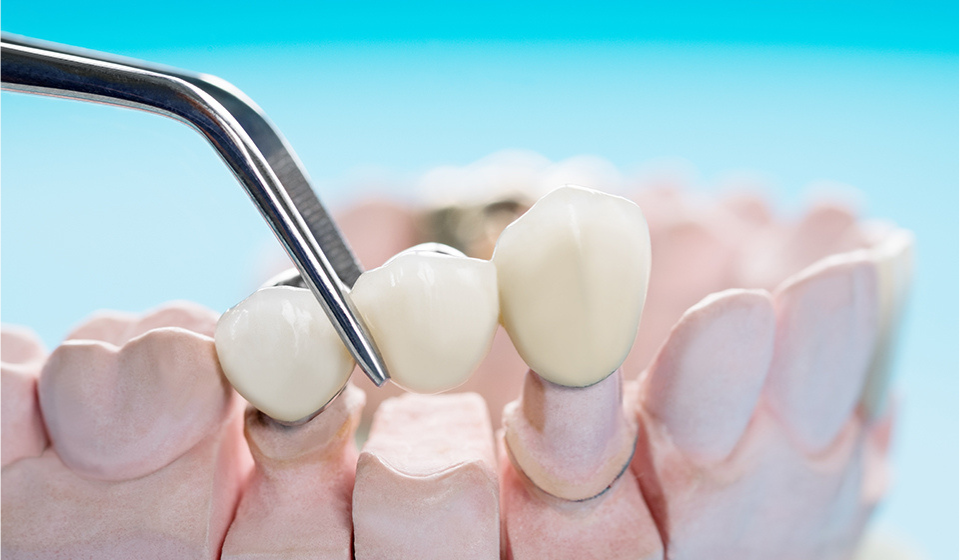
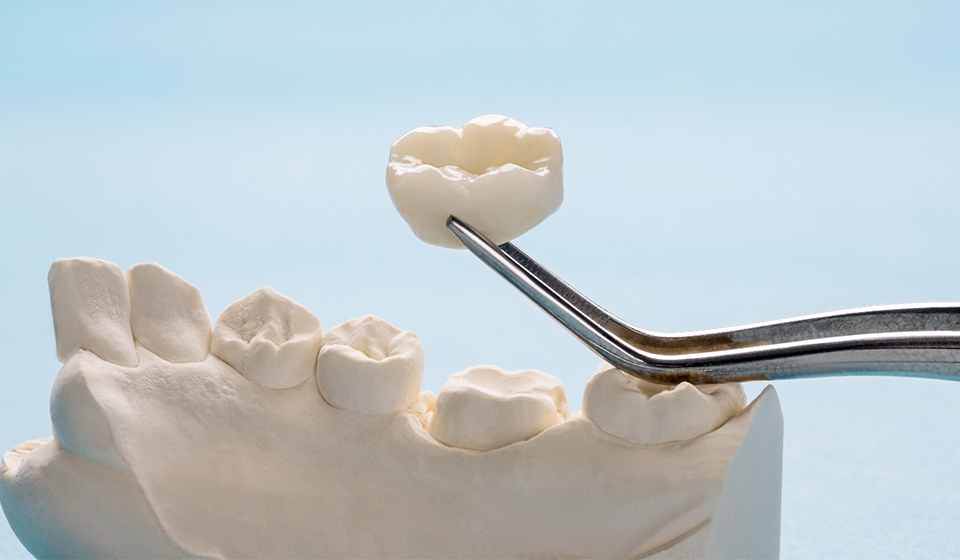
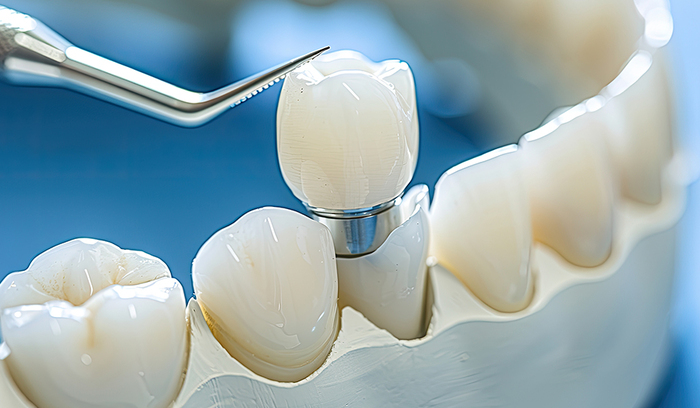
A dental crown is a cap that is placed over a damaged or weakened tooth. It fully encases the visible portion of the tooth above the gum line, restoring its shape, size, and strength. Crowns can be made from various materials such as porcelain, ceramic, metal alloys, or a combination of these.
Each crown is designed specifically for the patient, ensuring a comfortable fit and natural appearance. The primary purpose is to protect the remaining tooth structure while allowing normal biting and chewing functions.
Why damaged teeth need protection
When a tooth is cracked, decayed, or weakened, it becomes vulnerable to further deterioration. Without proper treatment, the damage can progress deeper into the tooth, potentially affecting the nerve and surrounding tissues.
A compromised tooth may lead to sensitivity, pain, and difficulty chewing. In more severe cases, infection can develop, increasing the risk of tooth loss. Protecting the tooth early helps preserve its structure and prevents more invasive procedures in the future.
Dental crowns act as a protective shield, holding the tooth together and preventing fractures from spreading.
Key benefits of dental crowns
Dental crowns provide a wide range of benefits that make them a preferred solution for restoring damaged teeth.
Restores strength and function
A weakened tooth often struggles to handle normal biting pressure. A crown reinforces the tooth, allowing it to function like a healthy natural tooth. This restoration helps patients eat comfortably without fear of further damage.
Prevents further decay or fracture
Once a tooth is compromised, it is more susceptible to additional damage. A crown seals the tooth, protecting it from bacteria and reducing the risk of decay spreading deeper.
Improves appearance
Crowns are designed to blend seamlessly with surrounding teeth. This makes them an excellent option for visible teeth that require restoration, as they enhance both function and aesthetics.
Long-lasting solution
With proper care, dental crowns can last many years. Their durability makes them a cost-effective solution for long-term dental health.
Supports overall oral health
By preserving natural teeth, crowns help maintain proper alignment and bite structure. This prevents additional stress on surrounding teeth and reduces the likelihood of future dental issues.
When are dental crowns recommended?
Dentists may recommend a crown in several situations where a tooth cannot be restored with a simple filling or other minor treatment. Common cases include:
- Severe tooth decay that weakens the structure
- Cracked or fractured teeth
- Teeth that have undergone root canal treatment
- Excessive wear caused by grinding or erosion
- Large fillings that compromise tooth strength
- Cosmetic improvements for misshapen or discolored teeth
Each case is evaluated individually to determine whether a crown is the most suitable treatment option.
The dental crown procedure
Getting a dental crown typically involves multiple steps to ensure precision and comfort.
- Tooth examination: The dentist checks the tooth and takes X-rays to assess damage and decide if a crown is needed.
- Tooth preparation: The tooth is cleaned, decay is removed, and it is reshaped to fit the crown properly.
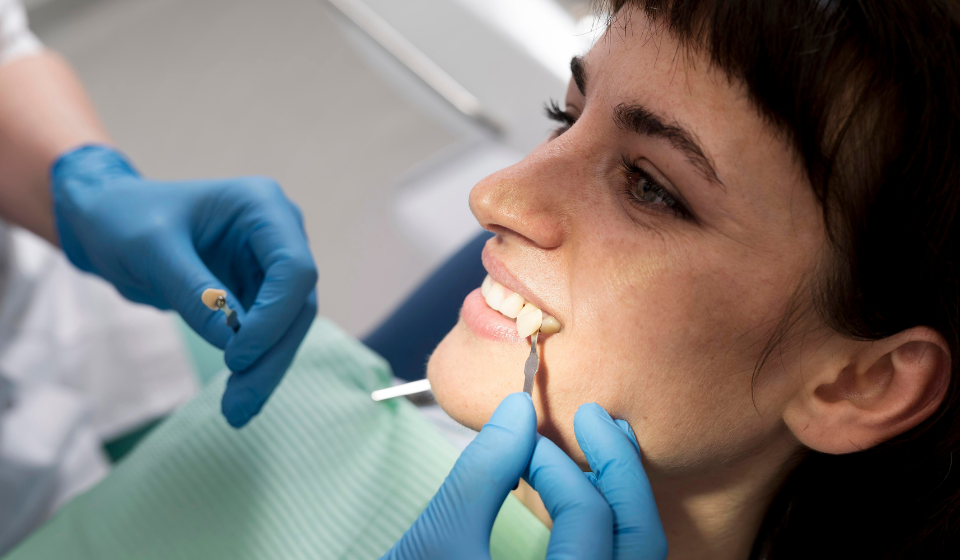
- Impressions: Impressions or digital scans are taken to create a custom-made crown.
- Temporary crown: A temporary crown is placed to protect the tooth while the permanent one is made.
- Permanent crown placement: The final crown is fitted, adjusted, and cemented into place.
- Final adjustments: The bite is checked, and minor adjustments are made for comfort and proper alignment.
Conclusion
Dental crowns play an essential role in protecting damaged teeth by restoring strength, function, and appearance. They prevent further deterioration, support long-term oral health, and provide a reliable solution for a wide range of dental issues. Their ability to preserve natural teeth makes them one of the most valuable restorative treatments available today.
Modern Dental of Manhattan offers advanced restorative care focused on long-term results and patient comfort. With a commitment to precision and quality, treatments are designed to restore both health and confidence while ensuring a natural-looking smile that lasts.
Frequently asked questions
Are dental crowns painful to get?
The procedure is generally not painful because local anesthesia is used during treatment. Some mild sensitivity may occur afterward, but it usually improves within a few days.
Can a crowned tooth still get cavities?
Yes, the underlying tooth structure can still develop decay if not properly cared for. Maintaining good oral hygiene is important to protect both the crown and the surrounding teeth.
What is the difference between a filling and a crown?
A filling repairs a small portion of a tooth, while a crown covers the entire tooth. Crowns are used when damage is too extensive for a filling to restore strength and function.
Do crowns look natural?
Modern dental crowns are designed to closely match the color and shape of natural teeth. They blend seamlessly with surrounding teeth, making them nearly indistinguishable.
When should a crown be replaced?
A crown should be replaced if it becomes loose, damaged, or if decay develops underneath. Regular dental checkups help identify when replacement is needed.