Maximize Dental Insurance: Use Your End-of Year Benefits

According to the National Association of Dental Plans, a mere 2.8 percent of PPO participants reach or exceed their maximum annually. This means that millions of Americans lose hard-earned money every year by not using their dental insurance benefits. Even those with Flexible Spending Accounts often have benefits that will run out on December 31st.

At Modern Dental of Manhattan, we want to encourage our patients to use up their end-of-year benefits. Not only will this save you from wasting money in the long run, it can also ensure that you receive necessary dental care to keep your teeth and gums healthy for the long haul. Here, our team explores some of the most common questions about dental insurance and explains how to make the most of your benefits.

What does my dental insurance cover?

Because there are so many different plans out there, the answer to this question can vary significantly for every patient. However, preventative services – like cleanings and exams – are covered either partially or fully by most PPO plans. Select restorative procedures are typically covered at least partially as well.

Dental insurance, as a general rule, does not cover cosmetic treatment. Procedures like whitening, veneers, and bonding are viewed as purely elective. As a result, patients usually have to pay out of pocket for those services.

What if I have an FSA?

Flexible Spending Accounts are more versatile. During open enrollment, you determine how much money should be withheld from your paycheck and deposited into your FSA account. In many cases, FSAs work like debit cards. You can use it to pay for a variety of services, including medical and dental procedures. (Keep in mind, however, many FSAs still don’t cover cosmetic procedures.)

In most cases, FSA benefits must be used by December 31st. However, some options provide individuals with a grace period to use up the remaining money. In other instances, you may be allowed to carry over up to $500 per year over into the next year.

If you have an FSA, be sure you understand the stipulations. If you must use your benefits by the end of the year, consider scheduling an appointment at our Manhattan practice.

Tips for Using Your End-of-Year Benefits

The best way to maximize your coverage is to look for ways to streamline treatment and take advantage of benefits before they expire. Here are a few things to consider:

  • As aforementioned, most plans pay 100 percent for preventative care. If you have not had two cleanings already this year, schedule an appointment with your hygienist.
  • Ask your dentist how to streamline your treatment in a way that makes sense. For example, maybe you’re considering some cosmetic work at the beginning of next year. Use your end-of-year benefits to take care of any restorative or preparatory procedures.
  • Find out exactly which procedures are covered. Our financial experts can help you with this. No matter what insurance plan you have, we can file paperwork and obtain cost estimates so you know your options ahead of time.

Schedule an Appointment Today

December is nearly here! Be sure to maximise those benefits so you don’t lose any hard-earned money this year. To learn more about your dental insurance coverage, contact us online or call our Manhattan office at (212) 758-1000 to book an appointment.
The Stages of Gum Disease

Gum disease is the leading cause of tooth loss among American adults. According to the Centers for Disease Control and Prevention, nearly half of individuals aged 30 or older have some form of periodontal disease. This serious condition not only affects the oral cavity – but it can also cause infection to develop throughout the body. In fact, gum disease has long been linked to serious health concerns such as heart disease, stroke, dementia, and more.

Learning to recognize gum disease symptoms is the first step toward prevention. Here, our team at Modern Dental of Manhattan explores the three stages of gum disease and explains the types of periodontal therapies used to treat the condition during each of these phases.

Stage One: Gingivitis

Gingivitis is characterized by red, puffy, or tender gums. Inflammation is caused by plaque and tartar that has been left on the teeth. If not removed through routine brushing and flossing, plaque continues to accumulate – as a result, it causes gum irritation.

Treating Gingivitis

During this earliest stage of gum disease, the infection is still somewhat superficial – as it only affects the gums and not the bone underneath. When treated promptly, gingivitis can be reversed with a professional dental cleaning and improved brushing and flossing at home.

Stage Two: Periodontitis

If gingivitis remains untreated, the infection in the gums will travel down to the supporting jawbone. The infection begins to erode the bone tissue around the necks of the teeth, causing tiny pockets to form. Bacteria and plaque become trapped in these areas, which are impossible to reach with a toothbrush and floss. In addition to red and swollen gums, you may notice bad breath or a bad taste – and your gums may bleed when you brush or floss.

Treating Mild to Moderate Periodontitis

A dental cleaning and proper home care is always a good thing, but it’s not enough to reverse periodontitis. At this stage, the infection is too far below the gums to be reached with a toothbrush and floss.

To treat moderate to advanced periodontitis, your dentist will likely recommend a deep dental cleaning, performed under local anesthesia. We also offer sedation options for those who want to be more relaxed and comfortable during this treatment. 

Also referred to as scaling and root planing, this procedure cleans out plaque and bacteria that have accumulated deep in the pockets around your teeth. Next, your dentist or hygienist smooths the root surfaces of the teeth to deter further plaque from adhering.

Stage Three: Advanced Periodontitis

If gum disease continues to go unchecked, the condition will progress. Advanced periodontitis is the final stage of periodontal disease in which the teeth’s supporting structures are completely destroyed. As the periodontal pockets continue to deepen, the teeth become more mobile – and in many cases, they can fall out. This stage of gum disease is often characterized by pus or discharge at the gumline, gum recession, bad breath, and changes in your bite.

Treating Advanced Periodontitis

Today, there are a couple of different options for treating advanced periodontitis. In many cases, we can perform LANAP (Laser Assisted New Attachment Procedure). This treatment uses laser light energy to kill bacteria beneath the gums, eliminating infected tissue while keeping healthy tissue intact. The laser also cauterizes and seals the periodontal pocket to reduce the risk of recontamination.

In severe cases, your dentist may recommend traditional periodontal surgery. During this treatment, incisions are created along the gum line, and the gums are temporarily moved back so the dentist can see the teeth roots. After cleaning out all of the infection – and in some cases reshaping the bone – the gums are repositioned and sutured into place.

Contact Our Practice to Learn More

As you can see, gum disease is much easier (and more affordable) to treat in the early stages. If you notice any warning signs, such as red, swollen gums or bad breath, schedule a consultation at our Manhattan practice. Contact us online or call our office at (212) 758-1000.

All-on-4 Implants For a Smile Transformation

Dentures are the most sought-after solution for replacing multiple missing teeth. They are composed of ceramic teeth mounted on an acrylic base, which is made to mimic the gums. These prosthetic restorations have been around for several decades now. However, they do pose a few drawbacks, of which their instability is a significant concern. Imagine having a denture in your mouth while socializing with your loved ones, and it suddenly slips out when you’re talking or laughing! The embarrassment that you could face is unimaginable.

Hence, we would like to present to you a more advanced and highly stable means of restoring multiple missing teeth – All-on-4 implants!

What are All-on-4 Implants?

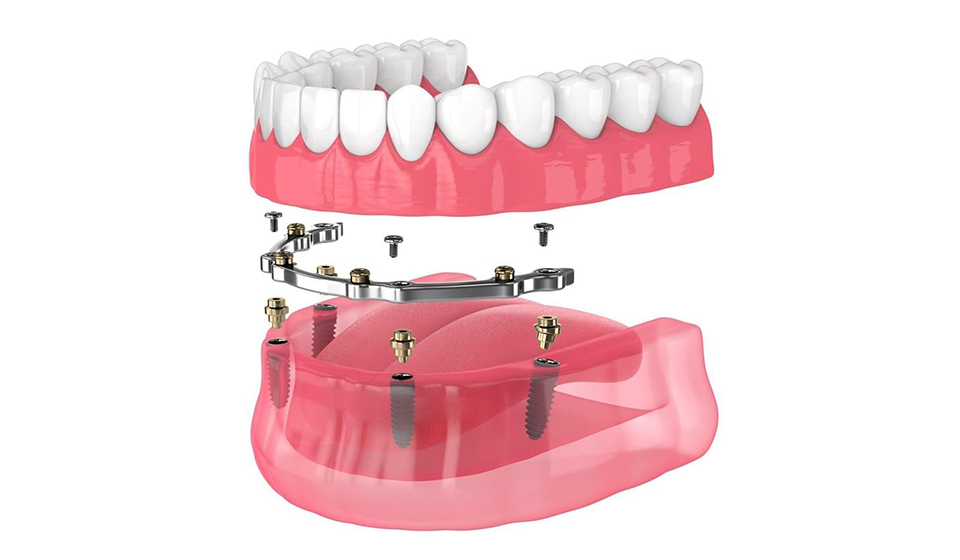
The name gives it away – all the teeth of a jaw mounted on just four dental implants. Sounds almost impossible, but it is one of the most popular restorative options in recent time. The dentist will conduct a thorough examination of the mouth and determine your candidacy for All-on-4 implants. If confirmed, you can have a complete smile transformation in a single visit to our dental practice.

What are the advantages of All-on-4 implants?

As opposed to conventional dentures, All-on-4 implants have excellent stability, thanks to the four dental implants holding the prosthetic teeth in place.

They offer unmatched strength and durability, as the teeth are made from dental-grade ceramic, and the implants are made from titanium.

The ceramic teeth can be highly customized to match the appearance of the natural teeth, which helps you smile or talk without feeling conscious of your oral appearance.

Placing dental implants in the jawbone prevents jawbone deterioration or shrinkage, thereby helping maintain its health. This keeps your jawbone from getting disfigured.

Perhaps, the best part about All-on-4 implants is that the entire procedure of removing the damaged/decayed teeth, placing the dental implants, fabricating the prosthetic teeth, and placing them on the implants takes no more than a single visit to our practice. Within a few hours, you can get rid of your displeasing smile and have perfectly fabricated prosthetic teeth in place.

Reach out to us on-call (212) 758-1000 or by scheduling an online consultation with our expert dental team, and we’ll be eager to guide you further.

What Can You Expect During Dental Implant Placement?

Dental implants are the most popular option to replace missing natural teeth, owing to several amazing benefits that they offer. Over three million Americans are said to have dental implants, and the number grows bigger every year. Ever since dental implants have been used, which was a few decades ago, significant advancements have been made in each stage. Today, dental implant surgery is carried out with utmost precision, and the results are more stunning than ever!

What should you expect?

Placing a dental implant in place of a missing natural tooth involves the following stages:

Initial consultation: The dentist will thoroughly diagnose you during the initial consultation. X-rays of the mouth will be taken along with 3D scans, which will be used to map the positioning of the teeth and determine the size and structure of the jawbone.

Jawbone graft: Once the natural tooth is removed from the mouth, the jawbone may deteriorate or shrink. This could change the entire shape of the jawbone, leading to drifting of the teeth, and cause malocclusion. Hence, we may have to perform a bone graft if the jawbone doesn’t have enough volume. Bone tissues will be extracted from a different source and grafted near the jawbone, after which a suitable healing period will be required.

Implant placement: Once the jawbone volume is replenished, the dentist will prepare you for the implant surgery. Local anesthesia will be administered using IV sedation to numb the gums, teeth, and jawbone. High-precision dental instruments will be used to make a small hole in the jawbone, where the metal implant stud will be inserted. It will be secured in place using dental cement.

Healing period: After the surgery, the bone will be allowed to fuse with the metal stud. This process is called osseointegration, and would usually take a few months. This helps to form a firm bond between the bone and the implant, which keeps the implant stable without getting displaced from its position.

Abutment placement: A connecting element called the abutment is used to place the ceramic crown on the metal implant. It is placed just above the gum line.

Placing the crown: Placing the ceramic crown on the abutment to serve as the replacement tooth is quite a crucial step in implant dentistry. The dentist will use highly-precise impressions of the teeth to fabricate the crown. It will be placed on the implant and checked for fit and comfort, after which minor changes may be required in its shape and size. Once finalized, it will be attached to the abutment and bonded firmly in place. A bite test will be taken to ensure it doesn’t alter your natural bite, after which we will polish it to enhance the appearance.

Call us at (212) 758-1000 or schedule an appointment with our professional dentists at our dental office in New York.

Whiter Brighter Smile Possible With Teeth Whitening

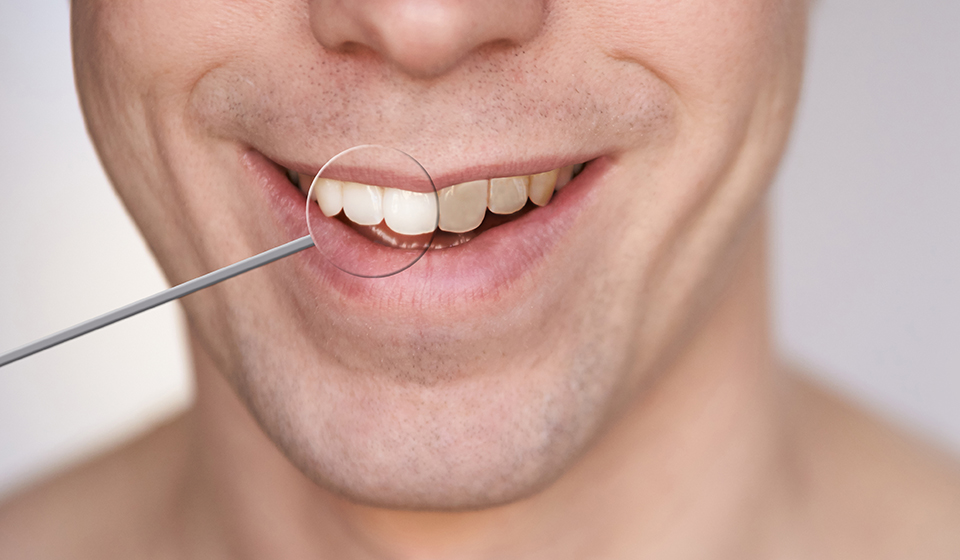
Smiling with teeth that appear yellowish in color could lead to a lot of embarrassment. If anyone mocks you for your discolored teeth during social gatherings, it can ruin your whole day and make you feel too conscious of your smile henceforth. This is where our customized teeth whitening solutions can come in handy and give you a smile that you would feel confident of flaunting around.

How do teeth stain?

The most common cause of teeth staining is improper brushing of teeth. When you do not brush all the remote corners of the mouth, or brush your teeth irregularly, a lot of microbes tend to get left behind on the teeth. They form a yellowish layer of plaque on the teeth, thereby taking away the shine of your teeth.

  • Eating a lot of colored foods, either artificial or colored, can deposit a layer of coloring on the teeth. Also, frequent drinking of beverages such as tea, coffee, wine, aerated drinks, etc. can make the teeth lose their luster.
  • People who smoke cigarettes and consume alcohol have been found to experience more staining of teeth than those who don’t.
  • Sometimes, consuming certain medications also discolors the teeth.

How is teeth whitening carried out?

There are different types of teeth whitening to cater to your specific needs. The most popular ones are as follows:

In-office teeth whitening: We would clean the teeth thoroughly and look for factors that could affect the whitening process, such as receding of gums, cavities, restorations, infections, etc. A whitening gel will be applied to the teeth and allowed to stay on the surface for a few minutes. The gel contains Hydrogen Peroxide, which liberates oxygen molecules when applied on the teeth. These molecules enter the minute pores on the surface of the teeth and remove the coloring particles, leaving behind whiter teeth.

Take-home whitening trays: During the first visit to our practice, we would take a highly precise mold of the teeth and use it to fabricate whitening trays. We would give you the trays and whitening gel during the next visit, which you can use at home to whiten your teeth. The trays prevent the intervention of saliva during the whitening process and produce great results.

Laser teeth whitening: Laser technology has been used quite well in the field of dentistry. A photosensitive whitening gel is used for this process, meaning, the gel can be activated using a laser of a specific intensity. It produces a foam that helps to remove the stains off the surface, making the process the quickest and most effective of the lot.

Call us at (212) 758-1000 or schedule an appointment with our professional dentists at our dental office in New York

Maintaining your dental health at home

The COVID-19 pandemic has brought a massive change to our everyday lifestyle. The danger of possibly getting infected has forced us to stay indoors and away from the pre-pandemic routine. In such a scenario, it is essential that you maintain optimum oral hygiene at home as you may not be able to reach your dentist when required. Here are a few things to keep in mind so that your oral health doesn’t diminish when you least expect it.

How well do you brush your teeth?

Brushing the teeth is one of the primary levels of defense against the microbes in the mouth. Throughout the day, the bacteria in the mouth multiply at a quick pace and get deposited on the teeth, tongue, gums, and soft inner lining. Using a toothpaste rich in fluoride helps to eliminate a significant part of the bacteria along with strengthening the teeth’ structure. Also, use only a medium-soft bristled toothbrush to avoid damage to the soft tissues.

The significance of flossing

Many people brush their teeth twice a day but do not floss. Flossing is just as important as brushing as it helps to remove the microbes lodged between adjacent teeth. Failing to floss can erode the enamel at the intersection of two teeth, which can go on to become a cavity due to tooth decay. Also, flossing is known to have a significant positive effect on patients who suffer from gum diseases such as gingivitis.

Keep a check on your diet

What you eat directly influences your oral health. Individuals who consume more sugary content, such as chocolates, gummy bears, candies, pastries, etc. are often more susceptible to cavities. The same goes for people who snack often, as it could leave a lot of food debris on the teeth, which acts as food for the bacteria. Hence, make sure you gargle well after having food so that the food residue is removed. Also, limit the consumption of sugary foods.

Check if your dentist offers online consultations

Online dental consultations have become a popular option for patients to get their teeth examined while staying in the safety of their homes. The dentist sets up an online consultation over a secure line, either on-call or a video call. After listening to your oral concerns and visually examining your mouth, the dentist will suggest suitable treatment. It may include immediate treatment, a medication that you can pick off the counter, or postponing the treatment for a later date. Online dental consultations are often inexpensive and help you stay on track with your oral health.

Reach out to us, and we can discuss further any oral concerns that you have.

Replace Your Missing Tooth With Dental Implants

Dental implants are perhaps the best replacement for natural teeth. They are widely preferred by dentists worldwide to replace teeth that have been extracted due to various reasons. Their amazing benefits, such as strength, stability, functionality, and excellent aesthetics, are factors that put them ahead of their alternatives, such as dentures, bridges, etc.

What is a dental implant?

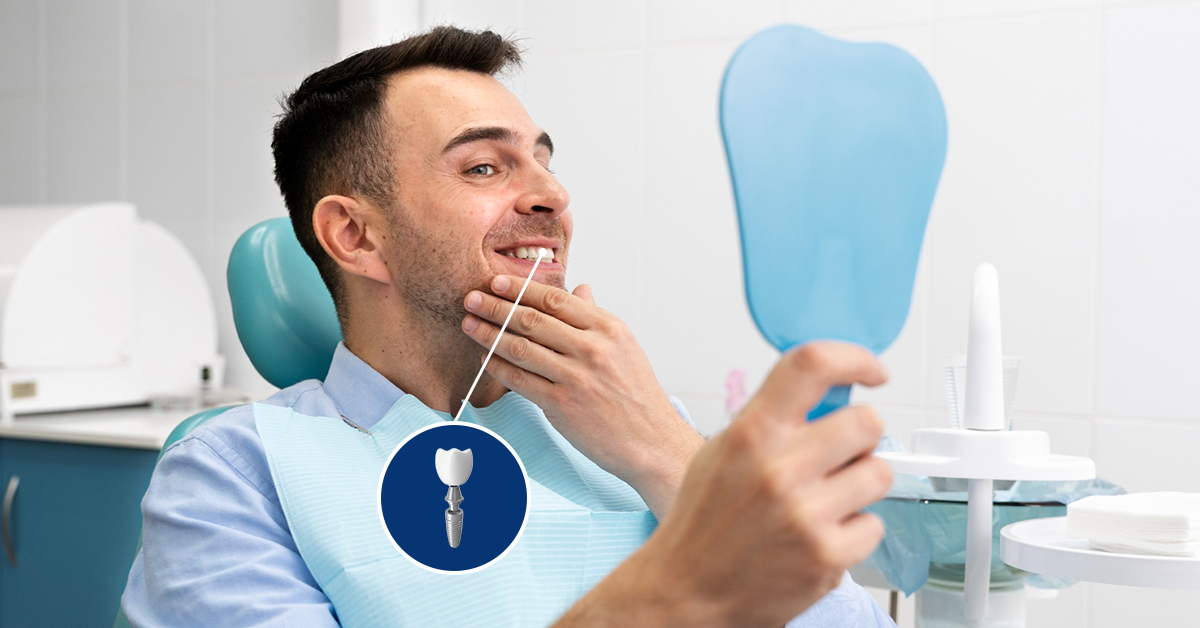
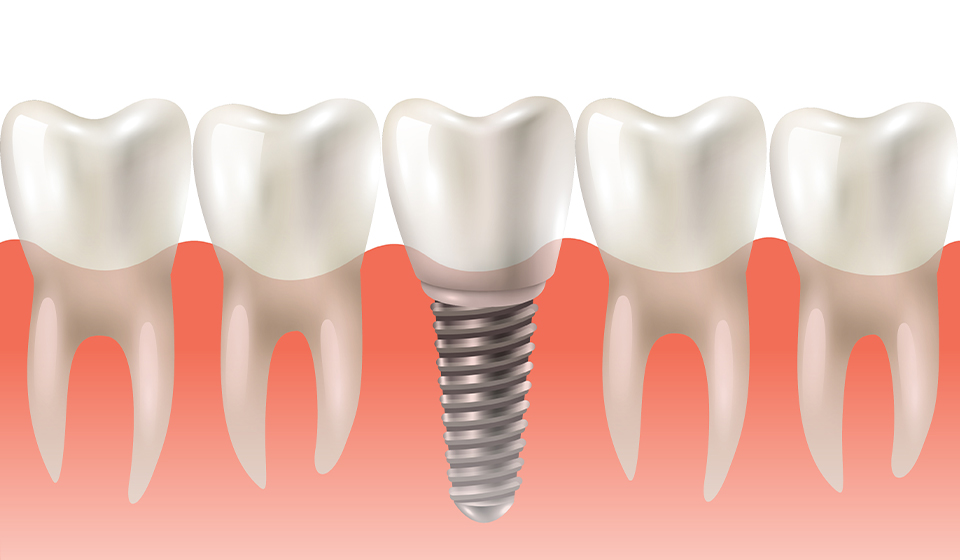
A dental implant is a combination of metal stud, preferably made from Titanium, and a visible tooth crown made from ceramic. The metal stud replaces the root structure, and the crown replaces the visible tooth, thereby helping to restore a tooth in its entirety. The implant will be fixed to the jawbone exactly where the extracted tooth used to be present, thereby restoring both oral aesthetics as well as functionality.

Why should you choose dental implants?

  • In comparison with the other tooth replacement options such as dentures or dental bridges, an implant is stronger by many folds. Since it is fixed to the jawbone, it wouldn’t easily break off or snap when you bite into hard foods.
  • They look exactly like natural teeth as they are made from tooth-colored ceramic material. No one would ever get the faintest doubt that you have an implant in your mouth, even if they take a closer look.
  • The ceramic material used to manufacture the crown of the implant is highly durable. It would wear just as much as your natural teeth do, which is absolutely minimal.
  • Once the implant stud gets firmly adhered to the jawbone, you wouldn’t feel any sort of pain when you bite or chew food. The implant would last for several years without hassle, making it one of the worthiest dental investments you could make.
  • Since the implant replaces the root structure as well, it would prevent the drifting of teeth from their ideal positions.

What is the procedure of performing an implant surgery?

Prior to confirming the candidacy for an implant, we would screen the oral cavity for several factors such as diabetes, jawbone volume, the overall state of health, healing capacity of tissues, etc. In case any of these factors aren’t satisfying, appropriate treatment will be given prior to starting the implant procedure

A small slit will be cut in the gums, and a hole will be made in the jawbone to house the implant stud. The implant stud will be placed in the hole carefully using high-precision dental instruments, and allowed to adhere to the jawbone. A healing period of a few weeks will be recommended during which the gums will heal, and the implant will firmly fuse with the jawbone. 

During the next appointment, the dentist will place a connecting element, called the abutment on the implant stud. The ceramic crown will be fixed to the abutment by means of dental adhesives. This prevents the implant crown from slipping off or getting dislocated. Finally, the bite will be evaluated, and the crown will be polished to improve its appearance.

Call us at (212) 758-1000 or schedule an appointment with our professional dentists at our dental office in New York

Coronavirus Health Tips

What is COVID-19?

COVID-19 is an infectious disease, which can severely affect your lungs and airways. It is a newly discovered coronavirus. Through some simple steps, you can take care of yourself and your family.

What are the symptoms of COVID-19?

The symptoms of COVID-19 are as follows:

  • Cough
  • High Fever
  • Shortness of breath
  • Sore throat
  • Sneezing and runny nose 
  • Temporary loss of taste and smell 

These symptoms may not always mean that you have COVID-19. The symptoms may be quite similar to other diseases like common cold and flu.

But, if the symptoms get worse with shortness of breath, then it might require immediate medical attention.

It takes a few days for the symptoms to show after a person gets infected. An infected person can pass on the virus to other people before they even start developing the symptoms. That is why you should be very careful, especially when you are out in public, like going to a grocery store, etc.

How can you protect yourself and others?

By following the tips below, you can protect yourself and other people:

  • Use your elbow or cover your mouth and nose with tissues when you sneeze or cough.
  • If you are in a place where there is no soap or water, use a hand sanitizer that contains 60% alcohol instead.
  • Throw the used tissues in trash immediately.
  • Always remember to frequently wash your hands with soap and water for about 20 seconds.
  • Try to avoid close contact with sick people.
  • Avoid touching your eyes, nose, or mouth, especially with unclean hands.
  • Avoid sharing things like cup, food, bed, etc. with unwell people.
  • Always clean and disinfect the most-touched surfaces and objects, like doorknobs.
  • Stay home and self-isolate if you are not feeling well.
  • Maintain a social distance of about 6 feet when you go out in public.
  • Avoid any social gatherings.
  • Wear a cloth mask when in public.

What to do if you are exposed to the disease?

People who came after a trip, or who feel they are exposed to COVID-19, need to self-isolate themselves to keep their communities safe. Self-isolation is an effective way to contain the spread of the virus. You can call your doctor and ask for further instructions.

You can call us at (212) 758-1000 and ask about any questions you have regarding your dental issues. We will happily guide you.